

Electric Radiator Heaters: Built for the Job, Not the Living Room
We make electric radiator heaters for industrial work—the kind of places where you need heat on demand and temperature control you can trust. These aren’t your average room heaters. They’re tough, engineered components meant for 230V or 400V systems, with power ranging from 1000W to 2500W, and they slip neatly into tight spaces inside machinery.
Power, Voltage, and Fit: What Matters on the Floor
We match voltage and wattage to what your machine actually needs. For example, a 400V, 2500W heater packs serious heat into a small footprint—but that also means you need cooling that can keep up with the extra warmth around it. And the size? You can choose tube lengths from 300mm to 600mm. That way you can fit the heater right where the heat is needed, without overbuilding the chamber. The result is output you can count on, stable resistance across the whole operating range, and a control loop that behaves itself—day after day.
Inside the Heat: Halogen, Coating, and a Plug That Just Works
Inside, we use halogen technology in a quartz envelope. Why? Because it gets hot fast—and it stays consistent as the lamp ages. No surprises. No drift. We also coat the quartz to guard against contamination, so the element doesn’t burn out prematurely. And the connector? It’s a simple, straight-line, two-pin R7s design. That means wiring is straightforward and the contact stays solid, even in cramped mounting spots. Best part: it’s a drop-in replacement for many existing fixtures. So you can upgrade performance without redesigning the whole housing.
Where They Shine: Tough Jobs, Real Results
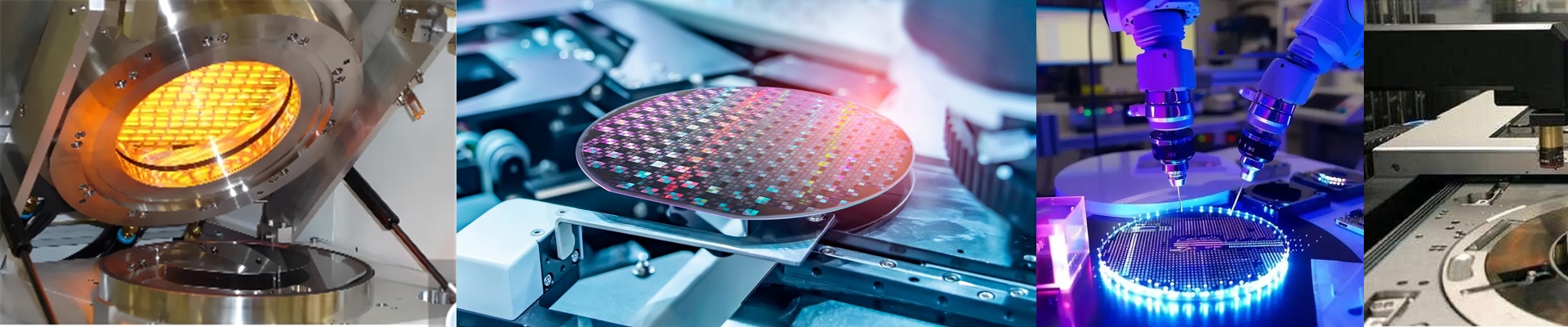
These heaters are made for demanding spots—plastic processing, drying lines, packaging sealing, and other places where timing and temperature matter. The fast ramp-up helps you cut cycle time. The compact size helps you free up space inside the machine. Now, there is one trade-off: high power density means you need proper thermal management. But when you spec the heater to the load and match the voltage correctly, you get reliable heat with way less downtime. And honestly, that’s the kind of dependability you feel—when the machine starts on time, and the process just keeps moving.