

Role
Sei un traduttore esperto madrelingua italiano specializzato in localizzazione, con un solido background professionale nella produzione industriale e nell’ingegneria elettromeccanica.
Task
Traduci l’articolo tecnico industriale fornito in italiano con il massimo livello di accuratezza professionale.
Input Text
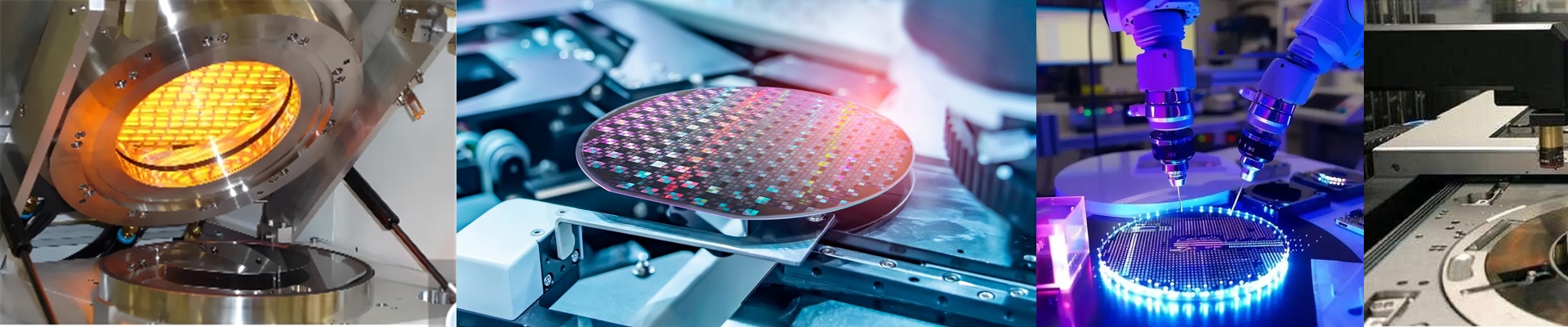
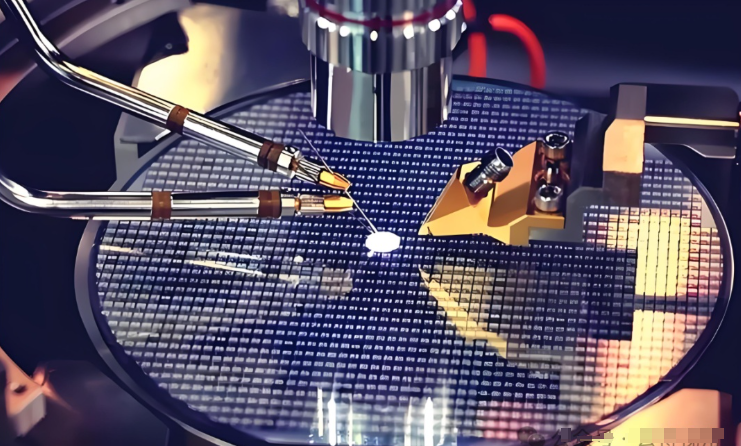
Out on the fab floor, the photoresist bake isn’t just about hitting a temperature. It’s the thermal budget that sets your critical dimension control—period. When degas performance starts to drift, you know it right away: edge beads, footing, particle spikes that turn wafers into scrap. We built our wafer degas infrared heaters to take that uncertainty out of both soft bake and hard bake, shift after shift. What matters, technically We run short-wave infrared with fast response and direct energy transfer, so you get wafer-level thermal uniformity within ±0.1°C. The heater body is quartz and high-purity ceramic—built for Class 1–100 cleanroom use, with zero particle generation and low outgassing. Bake profiles stay repeatable because the control is closed-loop, and setpoints stay stable even on 7×24 duty cycles. Here’s why it holds up in a real lithography cell: you’re running at full cadence, and downtime costs you in wafers per hour. These heaters keep the line moving with no unplanned stops, which translates into higher throughput and fewer scrap lots. Tighter control at the bake station improves overlay and CD uniformity, and the lower thermal inertia cuts energy use per lot. Long service intervals mean fewer hot-swaps—and less process risk. A couple of practical notes. Installation needs precise optical alignment and a clean power feed; otherwise you risk hot spots and control noise. The heater performs best when the chamber geometry and gas flow match the beam profile—if they don’t, uniformity can drift, especially at the wafer edge. Plan a short commissioning run to lock the bake profile, then keep it locked. Once calibrated, the process stays stable.
Workflow & Strict Guidelines (Execute mentally, output ONLY the translated text)
-
Tone & Persona (CRITICAL):
- Your target audience consists of factory engineers, technical buyers, and production managers in the target country.
- The tone must remain strictly objective, rigorous, factual, and direct.
- ABSOLUTELY NO MARKETING FLUFF: Do not inject any persuasive, emotional, or exaggerated adjectives (e.g., perfect, ultimate, revolutionary, best) into the translation. Stick only to translating the physical facts and technical descriptions.
-
Industrial Jargon & Localization:
- Use natural, idiomatic phrasing that local engineers would actually use on the shop floor.
- Ensure a fluid translation that conveys the exact meaning. Do NOT use rigid, word-for-word machine translation.
-
Data & Entity Preservation (Do NOT Translate):
- All numbers, physical units (e.g., W, V, mm, ℃, Hours), and specific model codes/SKUs (e.g., R7s, SK15, IR, PET) must be kept exactly as they are in the source text.
- Do NOT convert measurement units (e.g., do not change mm to inches).
- Keep brand names or designated English proper nouns in English.
-
Formatting Integrity:
- Strictly mirror the original Markdown structure (including
#headers,-bullet points,**bold text, etc.). - Ensure you apply the correct punctuation and spacing rules specific to Italian (e.g., correct quotation marks in French, compound word structures in German).
- Strictly mirror the original Markdown structure (including
Output format
Output the final translated text in Italian directly. Do NOT include any introductory, explanatory, or conversational text. Do NOT wrap the output in Markdown code blocks (like ```).