

Getting More Heat Where It Actually Matters
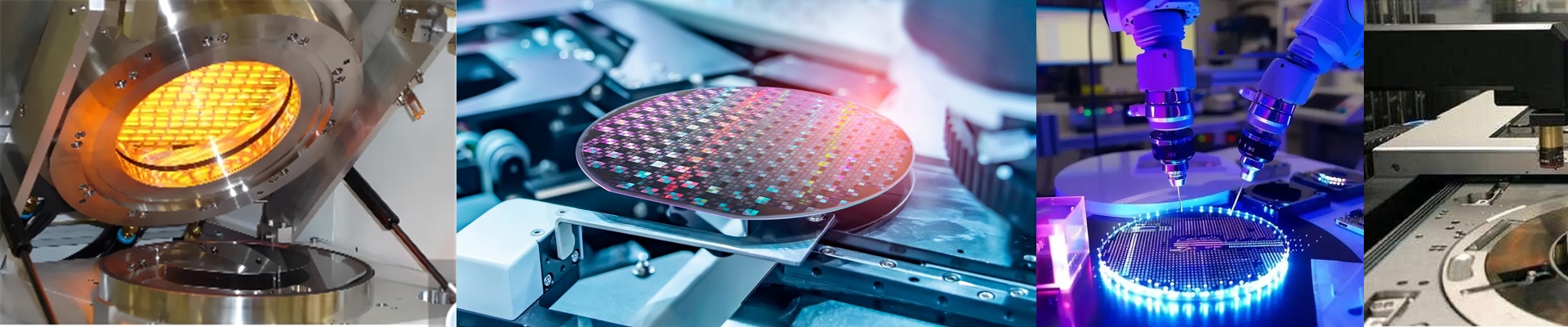
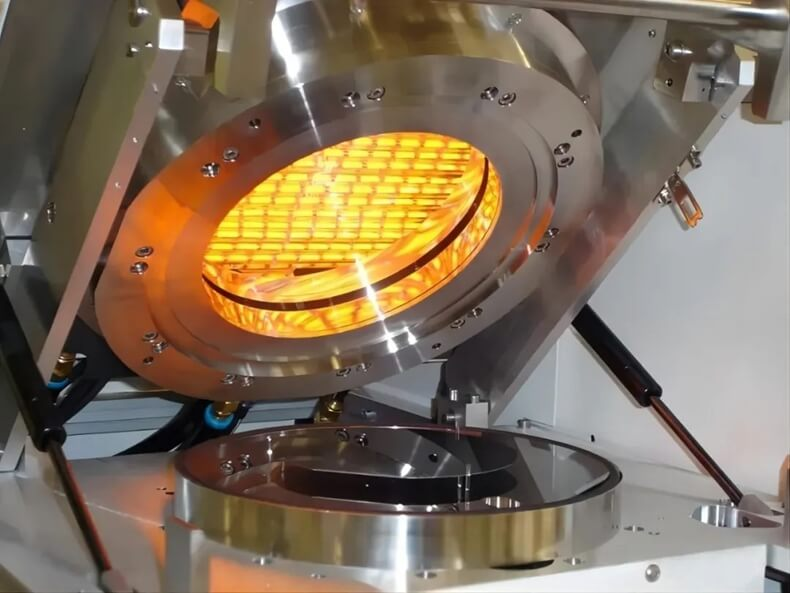
When you’re drying wafers or curing photoresists, you aren’t just looking for “heat.” You’re looking for photons to hit that surface exactly where they need to. The problem is that standard IR lamps are messy. They throw energy in every single direction. If you don’t have a way to steer that energy, you’re basically paying to heat up your machine’s chassis instead of the substrate. It’s a waste of power and a waste of time. Why we go with gold To stop that energy leak, we use gold-coated reflectors. Now, gold isn’t just for looks. In the infrared spectrum, it reflects way more energy than aluminum or polished steel. By lining the housing with a high-purity gold layer, we catch the radiation that was heading the wrong way and bounce it right back onto the wafer. It concentrates the flux. You get more watts per square centimeter on the surface without having to crank up the current on your lamps. Speed vs. Stability This is where things get interesting. Because the energy is so concentrated, you hit your target temperatures much faster. Shorter dwell times. But there’s a catch. If you dump too many watts into a thin wafer without a leash, you’ll warp the substrate. It happens in a heartbeat. That’s why we pair this with digital IR controllers. You need a system that can throttle the power in real-time as the wafer hits its set point so you don’t overshoot and ruin your parts. The “Real World” Trade-offs Here’s the thing about gold: it’s soft. It can’t take a beating. If your maintenance crew goes in there with abrasive pads during a clean-out, they’ll scratch that gold layer right off. Once that happens, your efficiency tanks. Plus, you’ve got to think about the heat soak. Even with the gold directing energy forward, the lamp itself still gets incredibly hot. You can’t skimp on the cooling fans or heat sinks. If you don’t spec them to handle that concentrated load, you’re going to fry your sensor electronics. Simple as that.