


Making Gold-Coated Twin Tube Lamps Actually Work
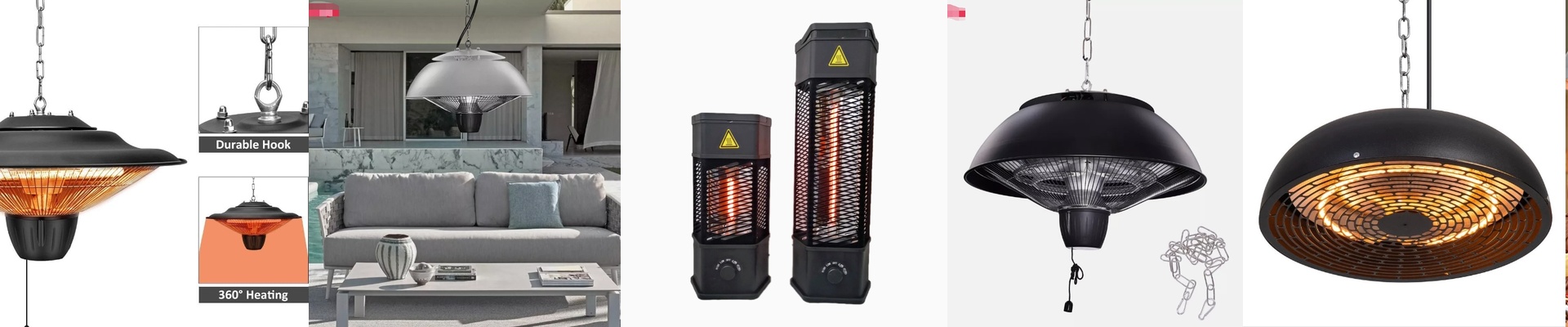
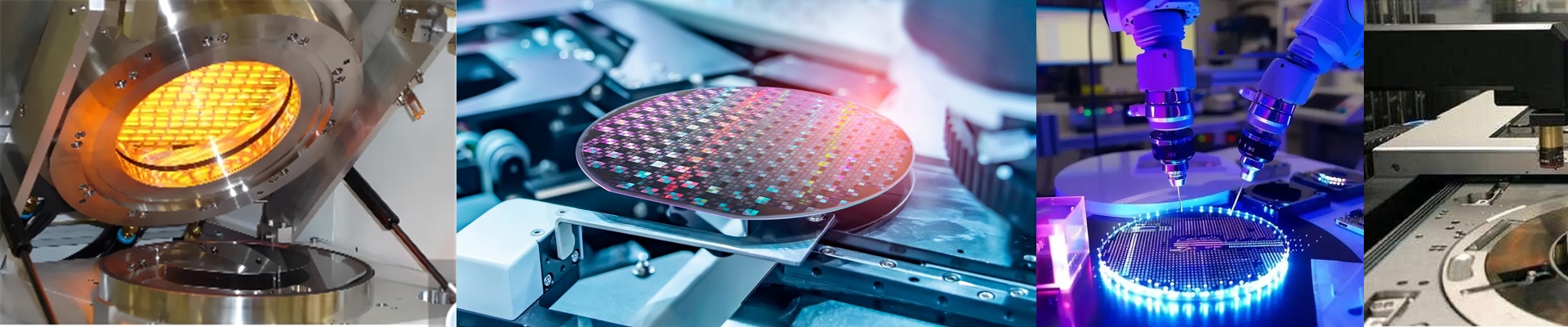
If you’re dealing with high-intensity heat, you know the struggle. You need a massive amount of energy hitting a tiny spot, and you need it fast. That’s why we went with a dual-filament design. It lets us cram more wattage into a small space without making the lamp bulky. And the gold? It’s not about looking fancy. It’s a tool. A regular quartz tube just lets heat bleed out in every direction. But with that gold coating, we’re basically forcing those IR rays to bounce back and hit your workpiece. It’s like putting a mirror behind a flashlight. You get a much harder hit of heat exactly where you want it, rather than wasting energy heating up the back of your machine. But there’s a catch. When you push this much power through quartz, things get stressful. The lamps heat up incredibly fast, which is great for your cycle times, but it means you’ve got to make sure your housing can breathe. If you don’t vent that excess heat, you’re just asking for your sockets to melt.
The “Boring” Stuff That Saves Your Skin
Here is where most people cut corners, but we don’t. Industrial floors are messy. You’ve got vibrations, moisture, and dust. In that kind of environment, high-voltage elements love to leak current. It’s a nightmare. That’s why we put every single tube through Hipot and insulation testing before they even see a shipping box. We check everything—pin-to-pin, pin-to-shell. Why bother? Because a tiny, microscopic crack or a bit of leftover contaminant on the quartz can turn a lamp into a liability. If one tube shorts out, it doesn’t just stop working. It can fry your control board or trip a breaker that kills your entire production line. Nobody wants to be the person who tells the boss the whole line is down because of one bad lamp.
A Few Tips Before You Plug In
These lamps pack a serious punch, but they’re picky about their electrical partners. If you try to wire a high-wattage twin tube into a transformer that wasn’t built for that kind of load, you’re going to burn your leads right off. Before you flip the switch, double-check your wiring gauge. Make sure those connectors are tight. If they’re loose, you’ll get arcing at the terminals, and that’s a quick way to ruin a perfectly good setup.