Keeping Your Smart Fab from Overheating
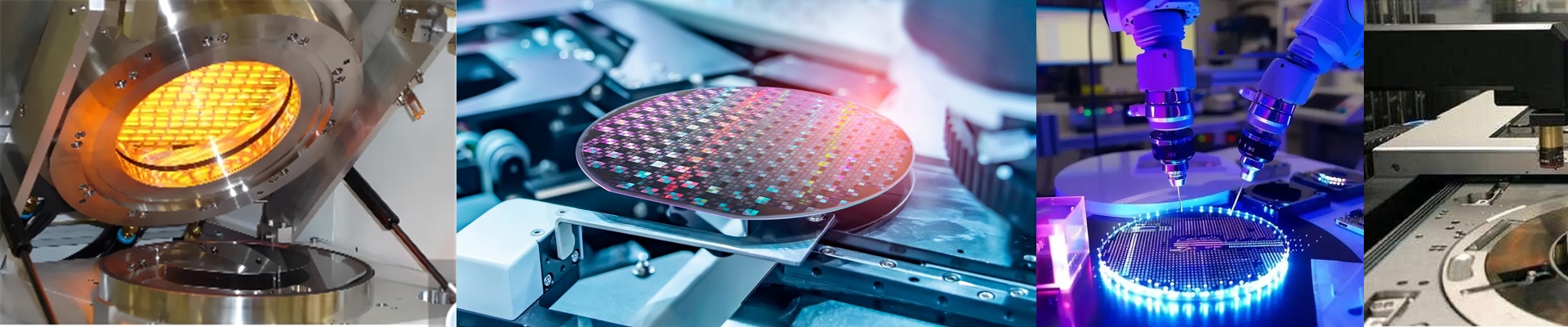
If you’re putting high-output IR emitters into a digitalized Fab, you quickly realize that raw power isn’t the hard part. The real headache? Containment. You’ve got these incredibly hot emitters sitting right next to sensitive electronics and smart sensors. That’s a recipe for disaster. That’s why we use ceramic end caps. They act as the bridge, letting you crank up the heat where you need it without frying the rest of your factory.
Why ceramics?
Here’s the thing: IR emitters get scorching hot to get that short-wave radiation just right. If you use standard metal housings, that heat doesn’t stay put. It creeps. It travels right back into your power supply or crawls across the machine frame. Ceramics stop that. They act as a thermal break. By using them for the end caps, the heat stays focused on the workpiece, and your wiring and sensors stay cool. It’s a much safer way to operate.
Making the data actually useful
In a modern production line, “close enough” doesn’t cut it. You need precision. When you use ceramic end caps, the heat profile stays steady across the whole emitter. This makes life way easier for your PLC when it’s mapping thermal data. Plus, since you aren’t dealing with heat leaking everywhere, your PID loops don’t have to constantly fight weird ambient temperature swings. Everything just… stabilizes.
The catch
Now, it’s not all perfect. Ceramics are great with heat, but they’re brittle. If your maintenance team is rushing a drop-in replacement and gets a bit clumsy, those caps can crack. It’s a trade-off. You get incredible insulation, but you have to handle the parts with a bit more care.
Setting it up for success
When you’re wiring an IR system for a smart fab, your main goal should be isolation. Using ceramic caps takes a huge load off your HVAC system and keeps your Industry 4.0 sensors from burning out. It lets you push for higher heat density without worrying that your control hardware is about to melt.