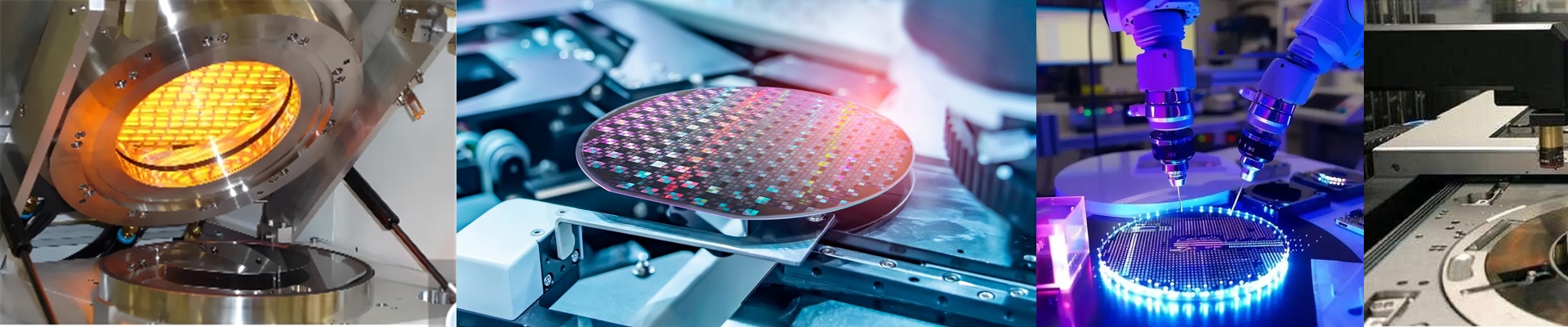
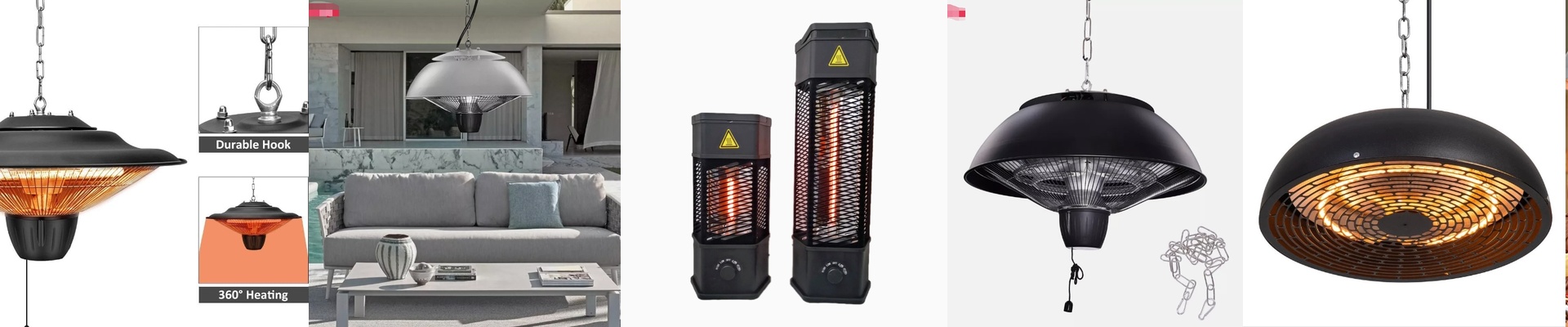
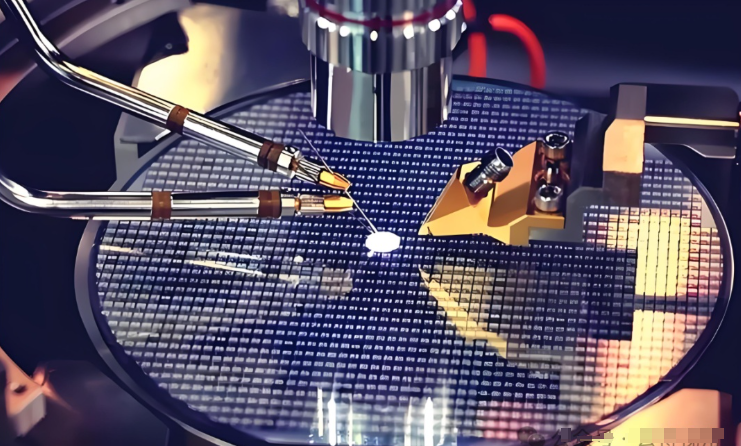
Out on the fab floor, the photoresist bake isn’t just about hitting a temperature. It’s the thermal budget that sets your critical dimension control—period. When degas performance starts to drift, you know it right away: edge beads, footing, particle spikes that turn wafers into scrap. We built our wafer degas infrared heaters to take that uncertainty out of both soft bake and hard bake, shift after shift. What matters, technically We run short-wave infrared with fast response and direct energy transfer, so you get wafer-level thermal uniformity within ±0.1°C. The heater body is quartz and high-purity ceramic—built for Class 1–100 cleanroom use, with zero particle generation and low outgassing. Bake profiles stay repeatable because the control is closed-loop, and setpoints stay stable even on 7×24 duty cycles. Here’s why it holds up in a real lithography cell: you’re running at full cadence, and downtime costs you in wafers per hour. These heaters keep the line moving with no unplanned stops, which translates into higher throughput and fewer scrap lots. Tighter control at the bake station improves overlay and CD uniformity, and the lower thermal inertia cuts energy use per lot. Long service intervals mean fewer hot-swaps—and less process risk. A couple of practical notes. Installation needs precise optical alignment and a clean power feed; otherwise you risk hot spots and control noise. The heater performs best when the chamber geometry and gas flow match the beam profile—if they don’t, uniformity can drift, especially at the wafer edge. Plan a short commissioning run to lock the bake profile, then keep it locked. Once calibrated, the process stays stable.
Üretim sahasında, fotoresist pişirme sadece belirli bir sıcaklığa ulaşmakla ilgili değildir. Kritik boyut kontrolünüzü belirleyen termal bütçedir, nokta. Degaz performansı sapmaya başladığında hemen anlarsınız: kenar boncukları, footing, wafer’ları hurdaya çeviren partikül sıçramaları. Wafer degaz infrared ısıtıcılarımızı, hem soft bake hem de hard bake işlemlerindeki belirsizliği ortadan kaldırmak için vardiya vardiya geliştirdik.
Teknik olarak önemli olanlar
Hızlı tepki veren ve doğrudan enerji transferi sağlayan kısa dalga infrared çalıştırıyoruz, böylece wafer seviyesinde ±0.1°C içinde termal homojenlik elde ediyorsunuz. Isıtıcı gövdesi kuvars ve yüksek saflıkta seramikten üretilmiştir—Class 1–100 temiz oda kullanımı için tasarlanmıştır, partikül üretimi sıfır ve düşük gaz çıkışı sağlar. Pişirme profilleri tekrarlanabilir kalır çünkü kontrol kapalı devre olup, set noktaları 7×24 çalışma döngülerinde bile stabildir.
Gerçek bir litografi hücresinde neden dayanıklı olduğunu şöyle açıklayabiliriz: tam kapasiteyle çalışıyorsunuz ve duruş süreleri wafer/saat bazında maliyet yaratır. Bu ısıtıcılar, plansız duruş olmadan hattın akmasını sağlar; bu da daha yüksek üretim hızı ve daha az hurda parti anlamına gelir. Pişirme istasyonundaki daha sıkı kontrol, overlay ve CD homojenliğini iyileştirir, daha düşük termal ataletsizlik ise parti başına enerji tüketimini azaltır. Uzun bakım aralıkları daha az sıcak değişim ve daha düşük proses riski demektir.
Birkaç pratik not: Montaj sırasında hassas optik hizalama ve temiz bir enerji beslemesi gerekir; aksi halde sıcak nokta ve kontrol gürültüsü riski oluşur. Isıtıcı, hazne geometrisi ve gaz akışı ışın profiliyle uyumlu olduğunda en iyi performansı verir—uyum olmazsa, özellikle wafer kenarında homojenlik sapabilir. Pişirme profilini kilitlemek için kısa bir devreye alma çalışması planlayın, ardından profili kilitli tutun. Kalibre edildikten sonra proses stabil kalır.