
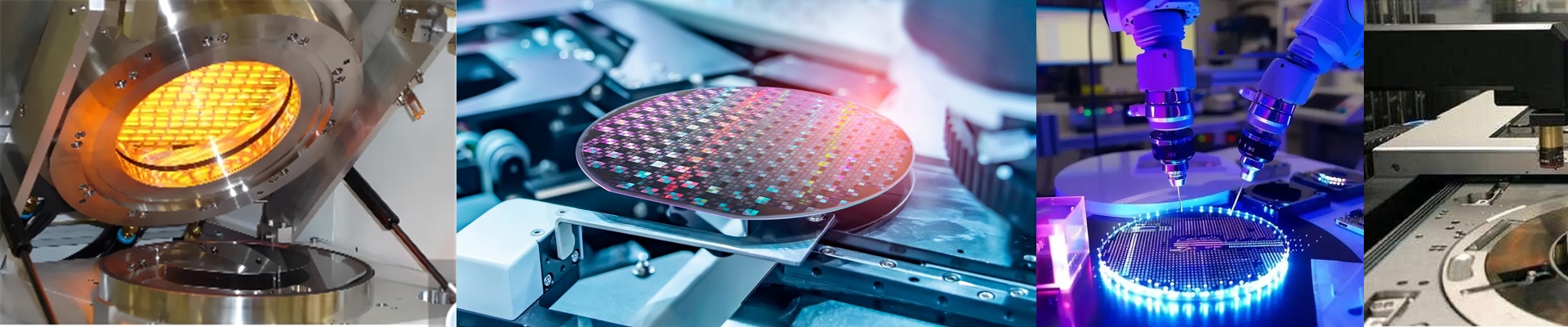

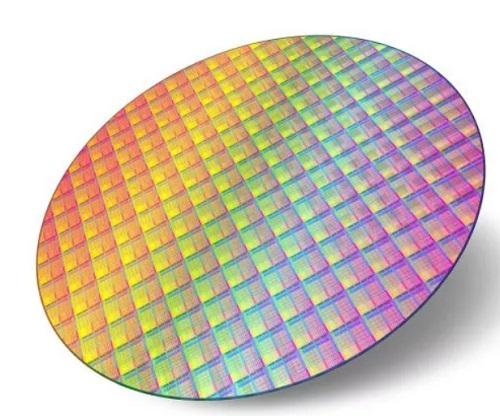
On the fab floor, right before packaging, the wafer comes out of the final clean and the clock starts ticking. Any moisture left on the surface is an open invitation—voids, delamination, and yield loss follow fast. A thermal step that drifts, even a hair, can compromise photoresist integrity and kill repeatability. You need drying that’s as disciplined as lithography, but keeps pace with packaging.
What matters under the hood
We run wafer-level thermal uniformity within ±0.1°C across the chuck, and setpoint repeatability stays within ±0.2°C. The heaters use short-wave infrared, with quartz windows for clean, fast energy transfer, and carbon-fiber-reinforced elements for mechanical stability. In Class 1–100 cleanrooms, particle generation stays below 0.1 particles/cm² at 0.1 μm. Output holds steady for 5,000+ hours, with intensity drift under 5%. Control is SECS/GEM, and the thermal loop is built for 24/7 reliability.
Why it fits pre-packaging
This setup was built for pre-packaging drying, plain and simple. Temperature ramps are quick, so cycle time drops without eating into your thermal budget.Zero particle shedding keeps the front side of the wafer clean, and the tight uniformity protects the photoresist profiles you locked in during soft bake and hard bake. Energy use drops because the heaters hit setpoint fast and hold it steady—no spikes. The payoff: fewer reworks, stable critical dimensions, and throughput you can plan around.
What you need to get it running
Plan on a dedicated 208–240 V line, plus clean, dry air at 4–6 bar. The module footprint is compact, but leave clearance around the quartz window for exhaust and access. Hooking up to existing handlers and boats is straightforward, but run a short dry-run with your carriers to tune the recipe and confirm wafer map alignment. Expect a two-week integration window, including SECS/GEM parameter mapping.