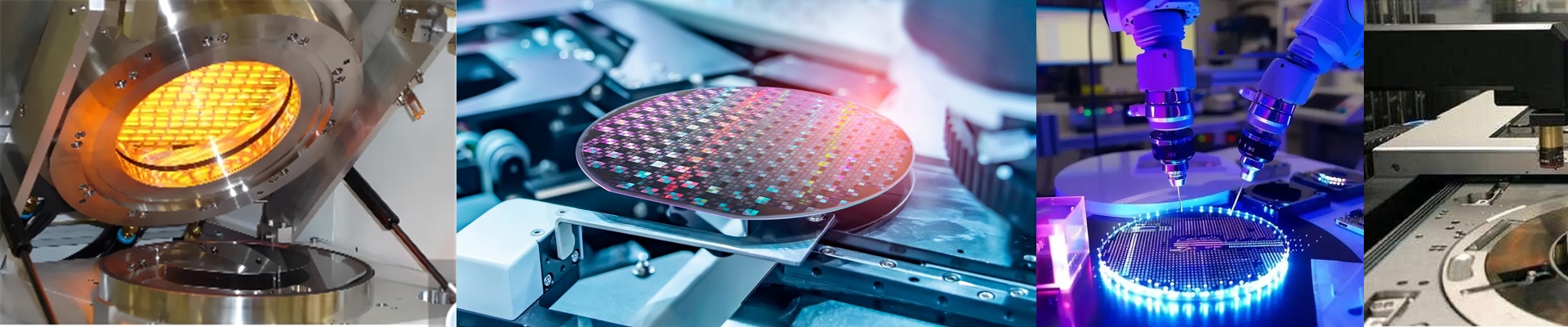

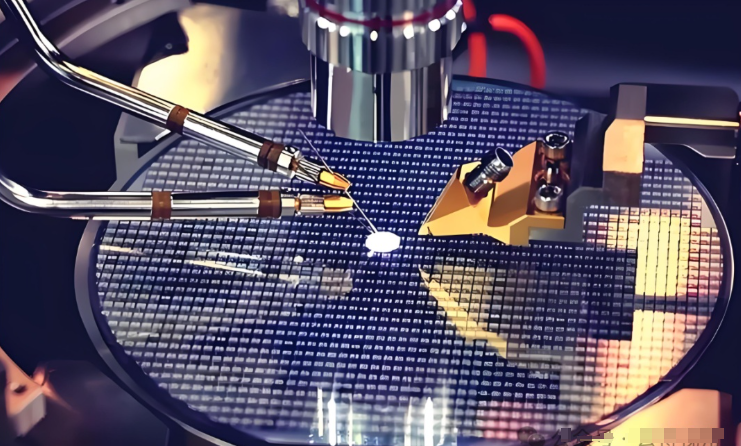
On the fab floor, a sub-1nm particle on a drying chuck can kill a 300mm wafer in seconds. Old-school heaters drift, and thermal non-uniformity shows up as line-width variation after photoresist processing. You need thermal control that keeps pace with the process, not one that fights it. What matters under the hood We built the industrial wafer drying system heater around lithography-grade thermal performance. The core is a quartz-halogen radiant design, tuned for fast, repeatable response. It delivers wafer-level uniformity within ±0.1°C across the process window. Temperature repeatability stays tight, so soft bake and hard bake profiles hold steady lot after lot. The system runs in cleanroom Class 1–100, and the materials and construction are chosen to keep particle generation at zero during operation. You get 24/7 reliability with zero unplanned downtime, and stable output over 5,000+ hours. Why this lands in practice In wafer cleaning and drying, the heater stabilizes the thermal budget. Spin-dry cycles finish with residue-free surfaces and predictable surface energy. In photoresist processing, precise bake control preserves critical dimensions and cuts rework from scumming or overbake. The payoff is higher yield, fewer scrap lots, and lower energy use thanks to efficient heating and tight thermal control. Process windows open without chasing drift. The things you’ll want to plan for The heater is engineered for specific chuck geometries and voltage profiles. Retrofits require exact dimensional and electrical matching. Set aside a short commissioning run to tune PID and radiant power for your solvent and resist stack. Operating life depends on ambient cleanliness and power cycling. Keep incoming air particulate low, and avoid rapid on/off cycles to preserve lamp and quartz integrity.