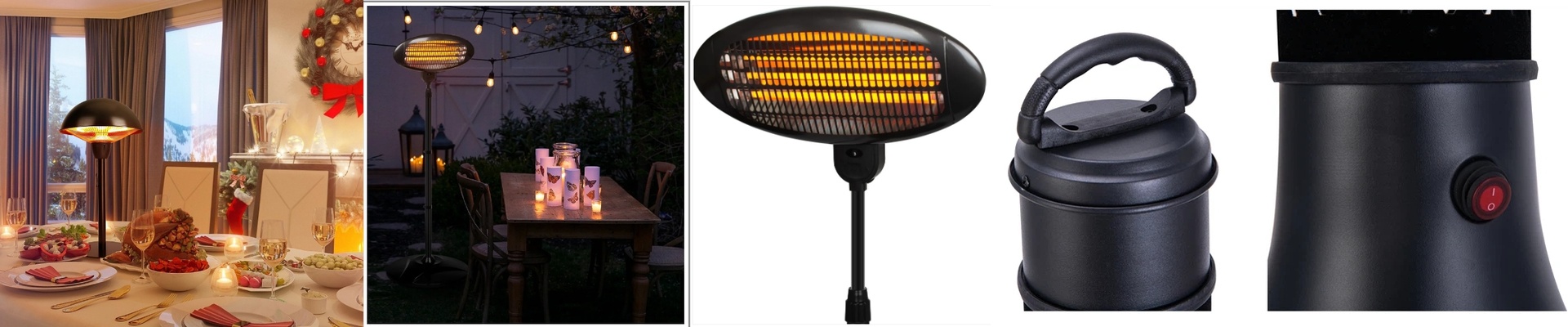
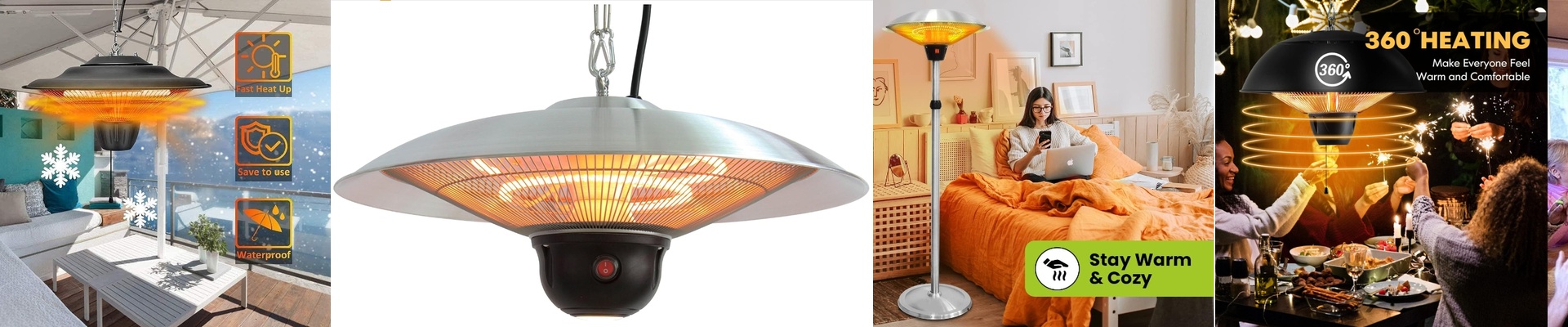
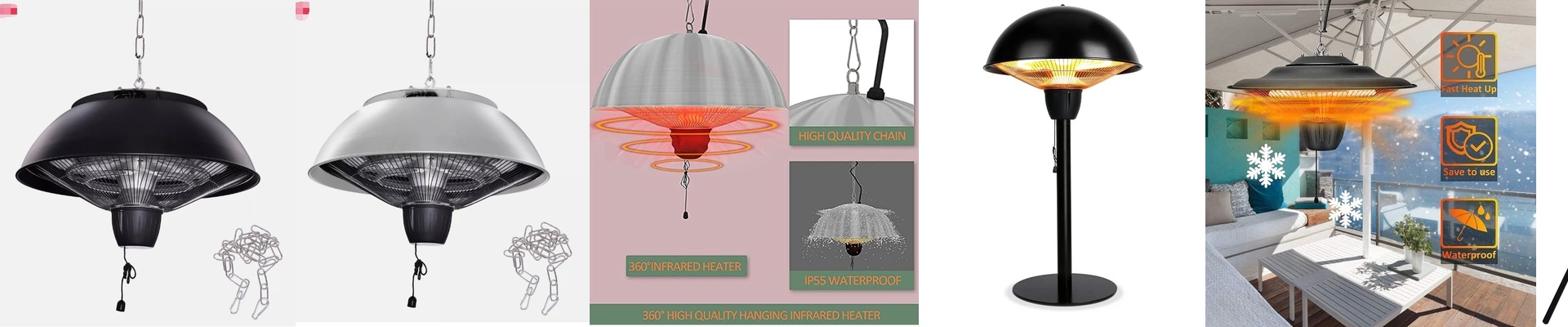
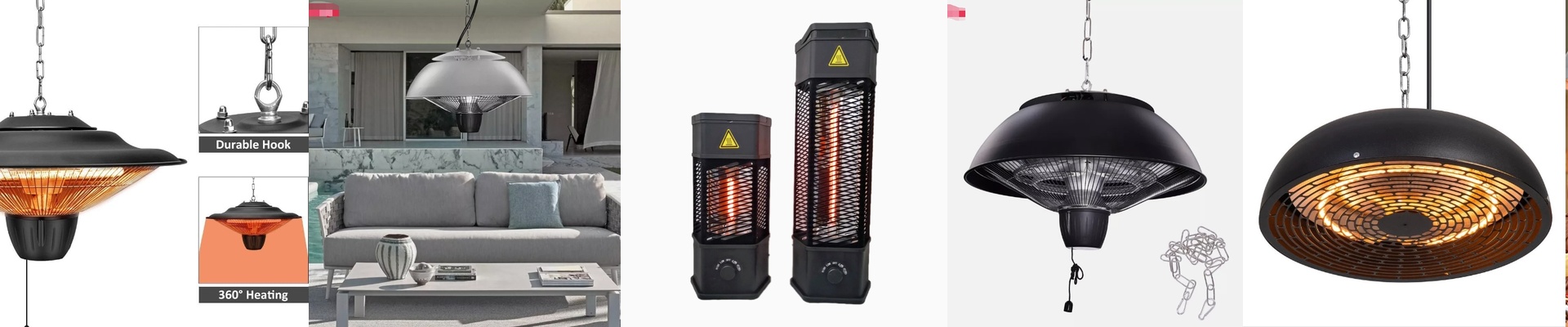

You’ve set the thermostat for the evening, and still the room stays stubbornly chilly long after the sun goes down. That lag isn’t just uncomfortable—it’s costly. Traditional heaters waste energy keeping a big thermal mass warm, so they cycle on and off well before comfort ever shows up. We built our infrared space heaters to fix that timing problem at the root. What actually matters under the hood Infrared warmth radiates energy directly to people and surfaces, instead of wasting time heating the air. Our low-inertia elements—carbon fiber and quartz tube options—hit operating temperature in seconds, not minutes, so the heat hits you almost immediately. That quick response is matched by controls that do their job without drama: accurate thermostats, programmable timers, and optional integration with home smart systems. These electric heaters run quietly, and because they don’t move air, they don’t stir up dusty drafts that can bother sensitive households. Outdoor heating models get weather-resistant housings and IP ratings. Indoor units add safety with tip-over protection and overheat safeguards. Why this approach fits real homes In a family smart-home setup, the goal isn’t just warmth—it’s precise comfort without wasted kilowatt-hours. Low thermal inertia means the heater reacts fast to small shifts: someone opens a door, the sun drops behind the roofline, or a sensor detects occupancy. The system can heat only when needed and shut down without a long cool-down drag. Over a winter season, that tighter control translates to lower energy use, fewer uncomfortable swings, and a living space that feels steady—not cycling on and off. The practical details you can’t skip Infrared heat is directional, so placement matters. You get the best results when the heater has a clear line of sight to where people sit, and when the unit is sized for the room. For whole-room comfort, pair it with gentle air movement, and keep the heater clear of furniture and drapes. If you want the full smart-home benefit, confirm compatibility with your hub and make sure the power supply matches the unit’s voltage and plug type.