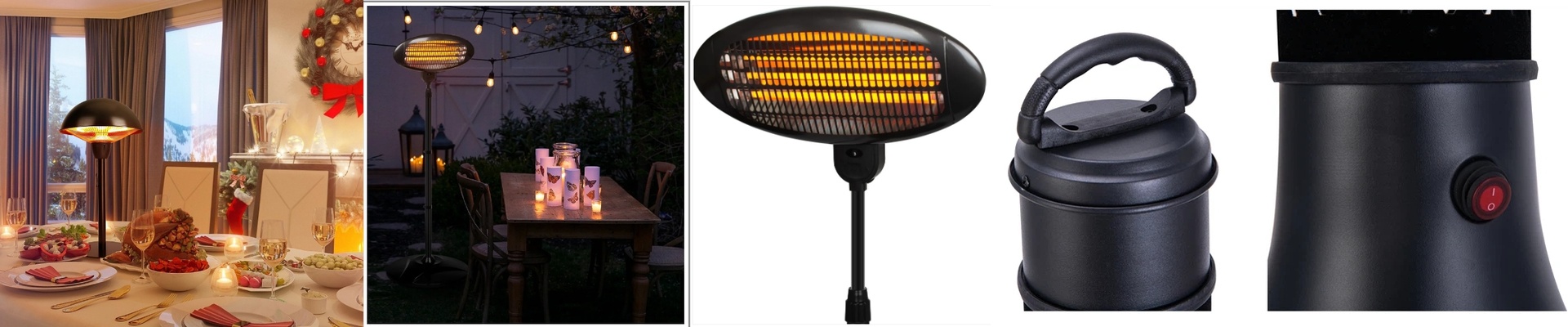
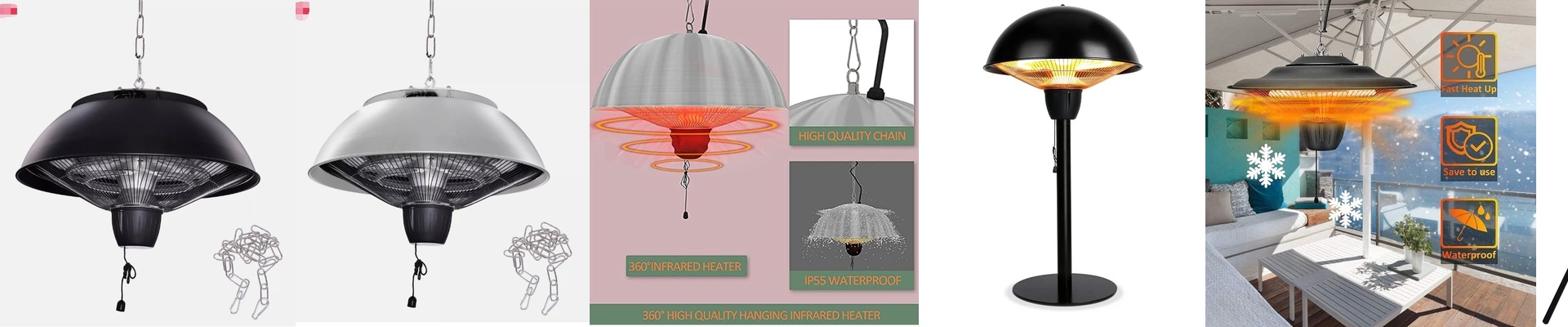
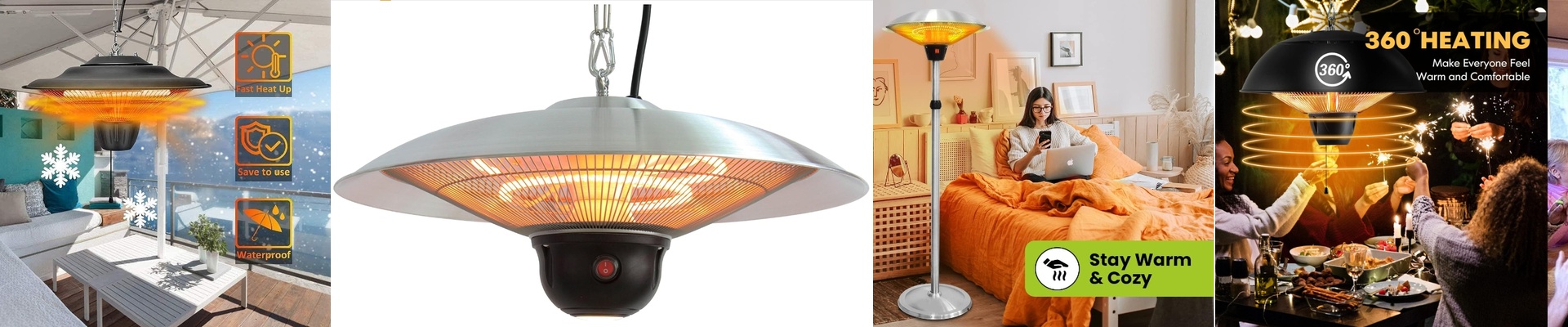
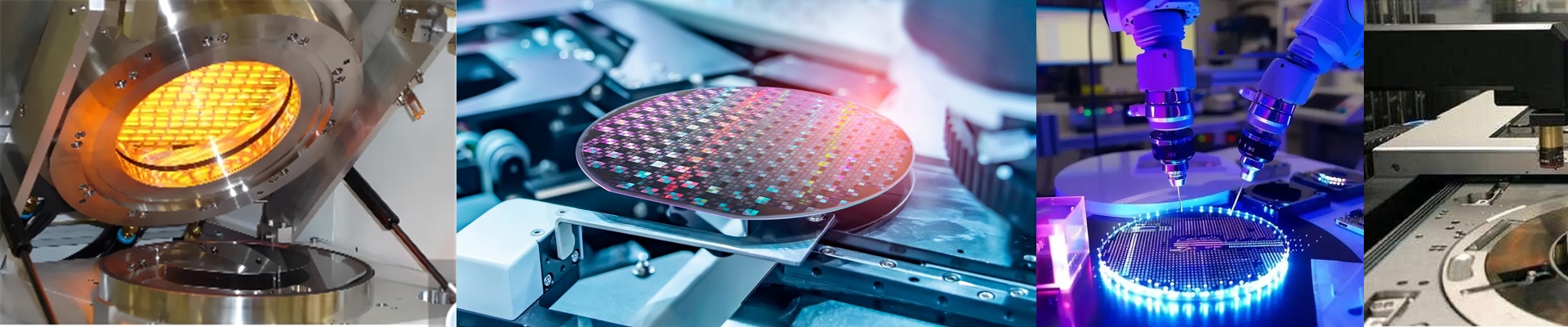
On the lithography floor, you know how it goes: a soft bake that drifts even half a degree, and your critical dimension window starts to slip. Add particle generation into the mix, and a perfectly good lot can end up as scrap. You need a heat source that behaves like a real process parameter, not another variable to chase.
What Matters Technically
We run short-wave infrared with quartz emitters in our photoresist soft bake lamps. The heat is fast and directional, and you get wafer-level uniformity within ±0.1°C across the bake surface. Run-to-run, the thermal profile stays repeatable, so exposure latitude doesn’t become a guessing game. The system is built for cleanroom Class 1–100: low-outgassing materials, zero particle generation, and a sealed optical path that keeps contamination out of the process. Temperature feedback is integrated, and closed-loop control holds setpoint stability. The design supports 24/7 operation without unplanned downtime.
Why It Works Here
In production, the soft bake sets solvent removal and film stress before exposure. With this lamp, photoresist behavior stays consistent, rework drops, and CD control tightens across the wafer. The thermal response is quick enough to shorten bake time without overshoot, so throughput improves while the thermal budget stays within spec. Energy use comes down because emitter control is precise and parasitic heat loss is minimal. You also get longer lamp life and fewer maintenance interruptions, which means line yield stays steady.
Things to Know
Installation has to be spot-on: alignment to the wafer plane, and clean power. Voltage transients can upset the control loop and hurt uniformity. Lamp output is sensitive to emitter-to-substrate distance, so mechanical tolerances must match the specified standoff. Plan on routine calibration of the temperature sensor, and periodically verify the uniformity map to keep performance within spec over time.