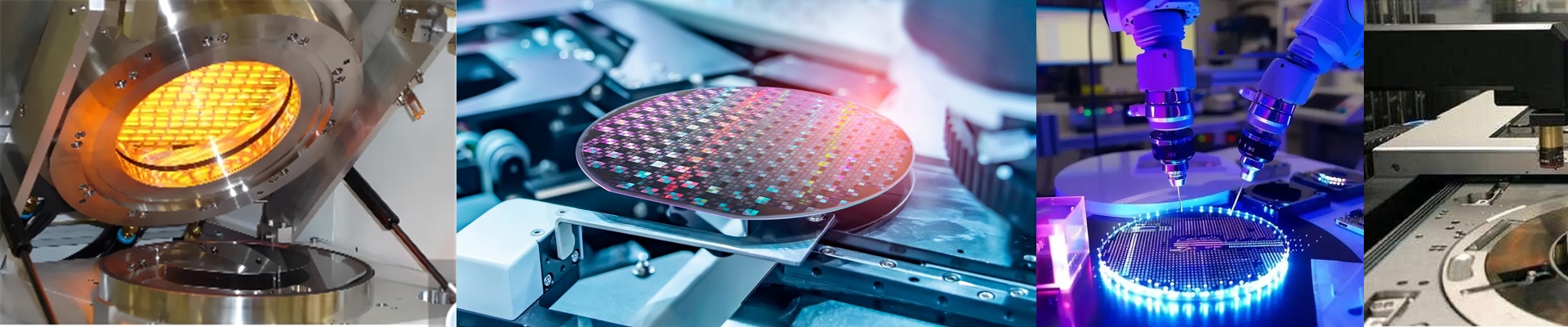
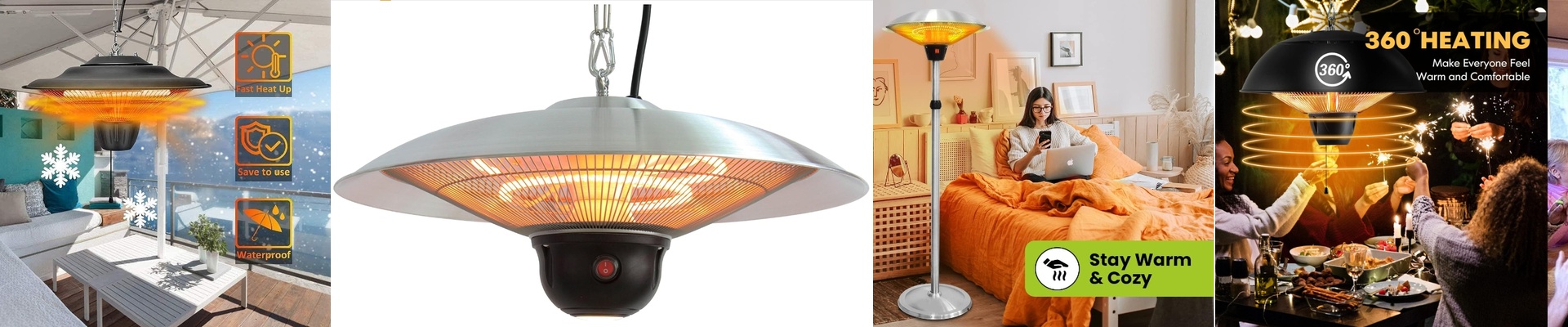
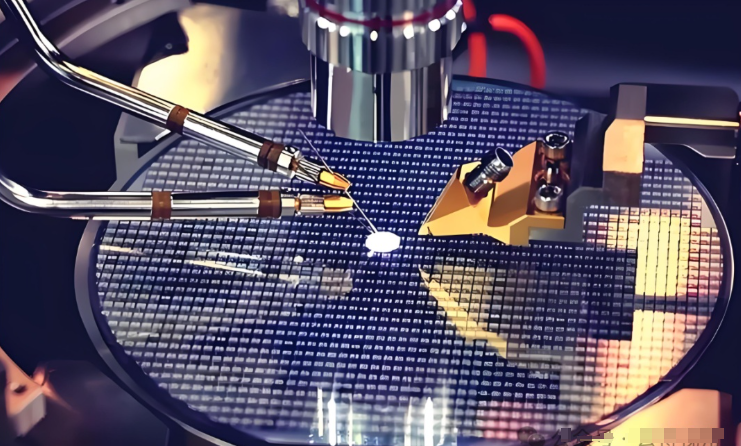
Out on the fab floor, the photoresist bake isn’t just about hitting a temperature. It’s the thermal budget that sets your critical dimension control—period. When degas performance starts to drift, you know it right away: edge beads, footing, particle spikes that turn wafers into scrap. We built our wafer degas infrared heaters to take that uncertainty out of both soft bake and hard bake, shift after shift.
What matters, technically
We run short-wave infrared with fast response and direct energy transfer, so you get wafer-level thermal uniformity within ±0.1°C. The heater body is quartz and high-purity ceramic—built for Class 1–100 cleanroom use, with zero particle generation and low outgassing. Bake profiles stay repeatable because the control is closed-loop, and setpoints stay stable even on 7×24 duty cycles.
Here’s why it holds up in a real lithography cell: you’re running at full cadence, and downtime costs you in wafers per hour. These heaters keep the line moving with no unplanned stops, which translates into higher throughput and fewer scrap lots. Tighter control at the bake station improves overlay and CD uniformity, and the lower thermal inertia cuts energy use per lot. Long service intervals mean fewer hot-swaps—and less process risk.
A couple of practical notes. Installation needs precise optical alignment and a clean power feed; otherwise you risk hot spots and control noise. The heater performs best when the chamber geometry and gas flow match the beam profile—if they don’t, uniformity can drift, especially at the wafer edge. Plan a short commissioning run to lock the bake profile, then keep it locked. Once calibrated, the process stays stable.
ในพื้นที่การผลิต การอบ photoresist ไม่ได้หมายความแค่การทำให้ถึงอุณหภูมิเท่านั้น แต่ขึ้นอยู่กับงบประมาณความร้อน (thermal budget) ซึ่งเป็นตัวกำหนดการควบคุมมิติที่สำคัญ (critical dimension) เมื่อประสิทธิภาพการ degas เริ่มเปลี่ยนแปลง คุณจะรู้ได้ทันที เช่น การเกิดขอบ bead, การเกิด footing, และการเพิ่มขึ้นของอนุภาคที่ทำให้แผ่น wafer กลายเป็นของเสีย เราออกแบบเครื่องทำความร้อน degas แบบอินฟราเรดสำหรับ wafer เพื่อขจัดความไม่แน่นอนทั้งในขั้นตอน soft bake และ hard bake ในแต่ละกะงาน
ประเด็นทางเทคนิคที่สำคัญ
เราใช้คลื่นอินฟราเรดช่วงสั้น (short-wave infrared) ที่ตอบสนองรวดเร็วและถ่ายโอนพลังงานโดยตรง ทำให้ได้ความสม่ำเสมอของอุณหภูมิระดับ wafer ภายใน ±0.1°C ตัวเครื่องทำความร้อนทำจากควอตซ์และเซรามิกคุณภาพสูง เหมาะสำหรับการใช้งานในห้องสะอาดระดับ Class 1–100 โดยไม่มีการปล่อยอนุภาคและการปล่อยก๊าซต่ำ โปรไฟล์การอบมีความสม่ำเสมอเนื่องจากระบบควบคุมเป็นแบบ closed-loop และจุดตั้งค่าคงที่แม้ทำงานต่อเนื่อง 7×24 ชั่วโมง
เหตุผลที่เครื่องนี้ทนทานในสภาพแวดล้อมจริงของห้องลิโทกราฟี คือคุณทำงานเต็มความเร็ว และเวลาหยุดทำงานส่งผลโดยตรงต่อจำนวน wafer ต่อชั่วโมง เครื่องทำความร้อนเหล่านี้ช่วยให้สายการผลิตเคลื่อนที่ต่อเนื่องโดยไม่มีการหยุดงานโดยไม่คาดคิด ส่งผลให้ปริมาณการผลิตเพิ่มขึ้นและจำนวน lot ของเสียลดลง การควบคุมที่แม่นยำขึ้นที่จุดอบช่วยพัฒนาคุณภาพการวางตำแหน่งภาพซ้อน (overlay) และความสม่ำเสมอของ critical dimension (CD) รวมถึงความเฉื่อยความร้อนที่ต่ำช่วยลดการใช้พลังงานต่อ lot ช่วงเวลาการบำรุงรักษาที่ยาวนานช่วยลดจำนวนการเปลี่ยนชิ้นส่วนร้อน (hot-swap) และลดความเสี่ยงในกระบวนการ
ข้อควรระวังในทางปฏิบัติสองสามข้อ การติดตั้งต้องการการจัดแนวแสงที่แม่นยำและแหล่งจ่ายไฟที่สะอาด มิฉะนั้นจะเสี่ยงต่อการเกิดจุดร้อนและสัญญาณรบกวนในการควบคุม เครื่องทำความร้อนจะทำงานได้ดีที่สุดเมื่อรูปทรงของห้องอบและการไหลของก๊าซสอดคล้องกับรูปแบบลำแสง หากไม่สอดคล้อง ความสม่ำเสมออาจเปลี่ยนแปลงได้โดยเฉพาะที่ขอบ wafer ควรวางแผนทดลองการใช้งานสั้นๆ เพื่อล็อกโปรไฟล์การอบ และรักษาโปรไฟล์นั้นไว้ เมื่อตั้งค่าคาลิเบรตแล้ว กระบวนการจะมีความเสถียรต่อเนื่อง