
Keeping Wafers Warm: Why We Switched to IR Heating for Our Trolleys
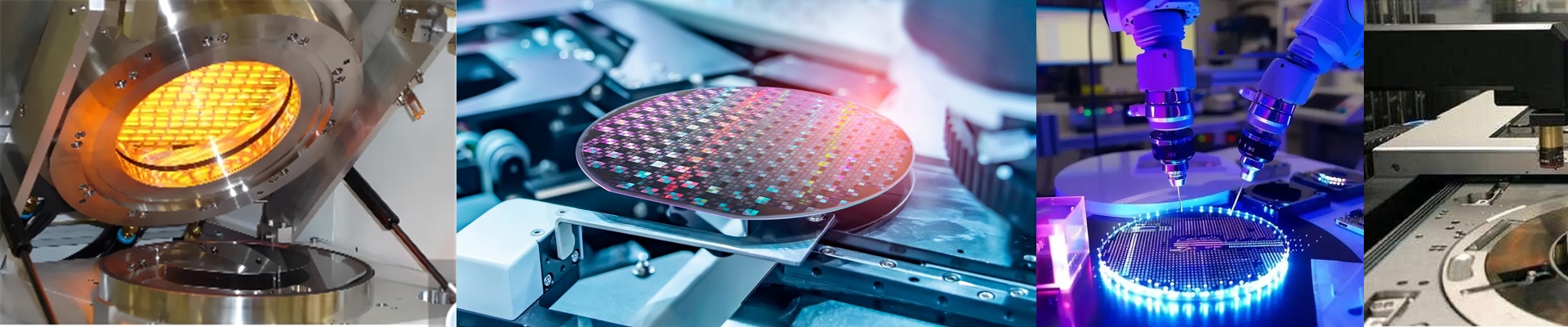
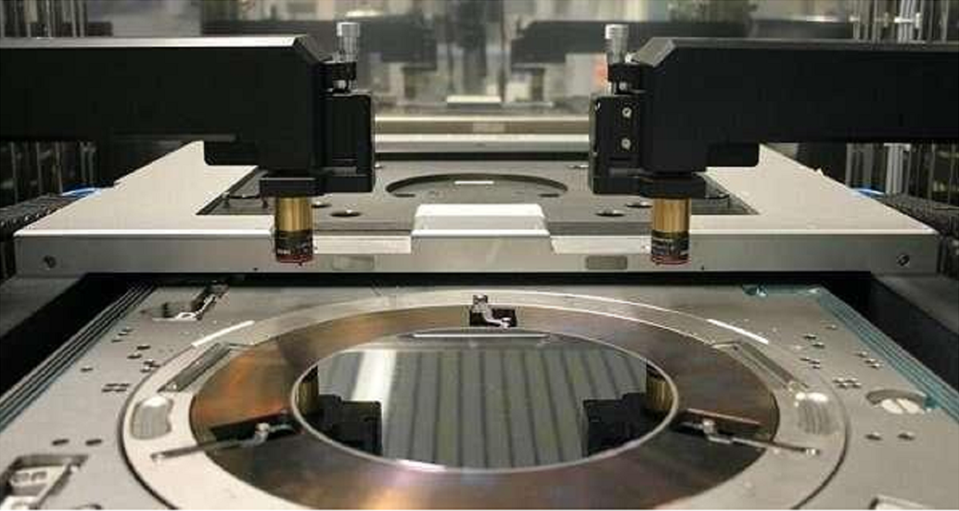
When you’re moving wafers between processing stages, temperature is everything. For a long time, the go-to was convection ovens, but honestly? They’re a waste. You end up heating the entire room just to keep a few wafers warm. That’s why we started using infrared (IR) lamps on our cleanroom trolleys. It’s a much smarter way to handle things. Saving energy without the headache Here is the thing about IR: it works through radiation. Instead of fighting to heat up the air around the trolley, we just aim the heat directly at the wafer carrier. It’s a huge win for anyone trying to build a “green” factory. We’ve managed to kill off a lot of that “idle” energy waste. Plus, these lamps hit their target temperature in seconds. You don’t have to leave the system humming 24/7 just to avoid a long warm-up wait. You turn it on, it works. Simple. The nitty-gritty on the hardware We generally stick with shortwave quartz elements. They penetrate the material faster, which means we can keep the hardware small and out of the way on the trolley chassis. We spend a lot of time tweaking the focal lengths, too, because if the heat isn’t spread evenly across the wafer, the whole process is pointless. But a quick word of caution: watch your power draw. These IR arrays can pull a lot of juice. If you aren’t careful, you’ll spike your local circuit and fry something. Just make sure your cables and power supply are rated for the peak load before you flip the switch. The tricky part IR is fast, but it’s aggressive. It creates these intense “hot zones.” If your trolley isn’t shielded right, you’ll end up heating up the cleanroom air or—even worse—melting a sensitive sensor on the trolley itself. To fix this, we use reflective coatings. They basically bounce the heat back toward the workpiece and keep the hardware cool. It’s a bit of a balancing act. You get that lightning-fast ramp-up time, but you have to be disciplined about the shielding to make it work.