

Keeping Your Semiconductor Heaters from Shorting Out
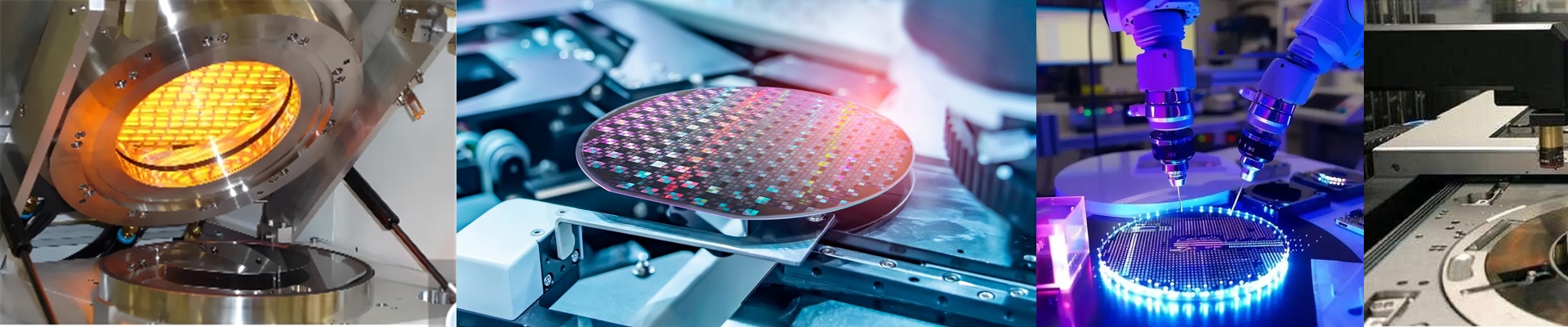
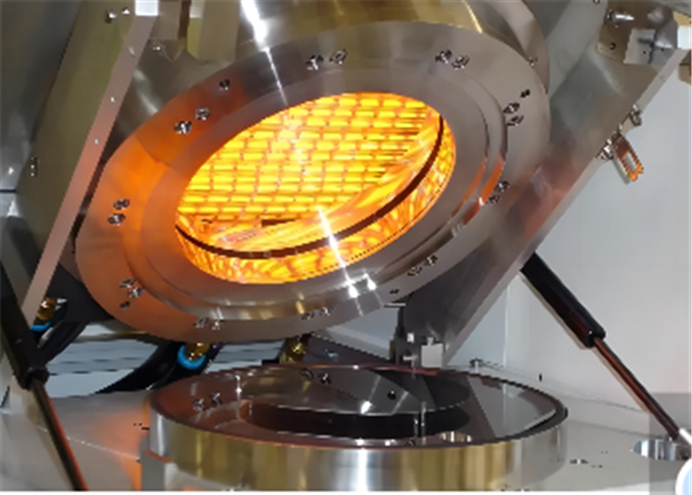
In the semiconductor world, one tiny arc-over or a sneaky current leak is all it takes to trash an entire batch of wafers. It’s a nightmare scenario. That’s why we stick with Teflon (PTFE) coated wiring. It handles the heat. When these heaters hit peak temps, the PTFE doesn’t melt or flake away—it just stays put.
Why we obsess over testing
We don’t do “sample checks” here. Every single wire gets a full voltage withstand test before it even thinks about leaving the shop. Here’s the thing: a wire can pass a basic continuity test and look perfectly fine, but it might have a microscopic pinhole or a thin spot in the coating. You won’t see it with your eyes. But when you hit it with a high-voltage load? Those weak spots scream. If we see any leakage current above the spec, that wire goes straight into the scrap bin. No exceptions.
The catch with PTFE
Teflon is great for safety and heat, but it’s not exactly flexible. It’s stiff. If you try to bend it as tightly as you would a silicone wire, you’re asking for a stress fracture in the jacket. When you’re planning your routing, give yourself some breathing room. A wider bend radius means the insulation actually lasts.
What this means for your gear
You’re packing high power density into a tiny footprint. That’s a recipe for intermittent shorts, which are the absolute worst things to troubleshoot because they disappear when you start looking for them. By testing every inch of the wire, we kill off those “infant mortality” failures before they ever reach your floor. You get a clean, stable electrical path that can handle the constant heating and cooling without breaking a sweat.