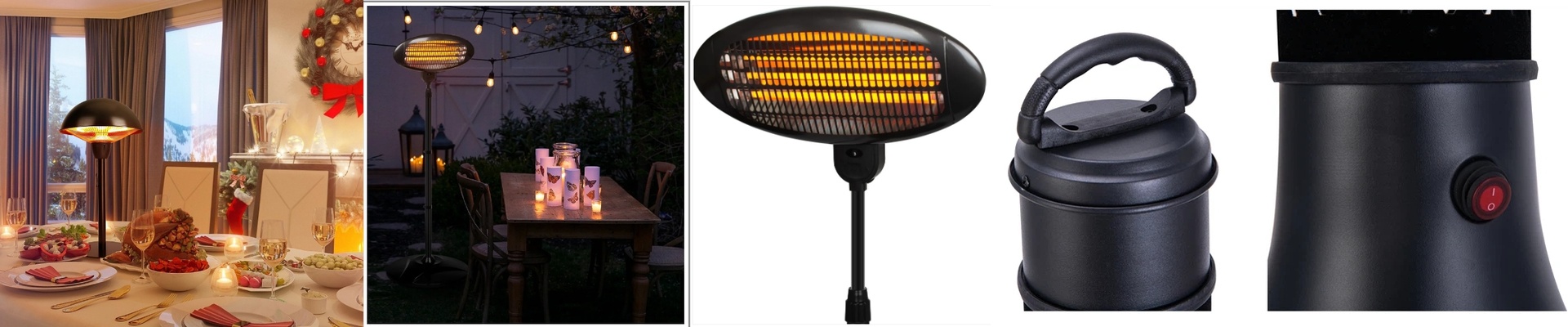
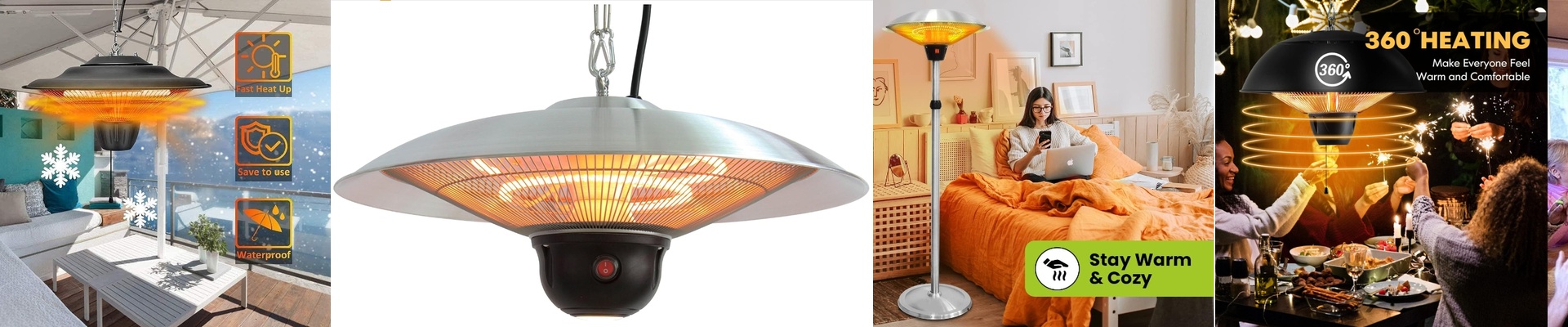
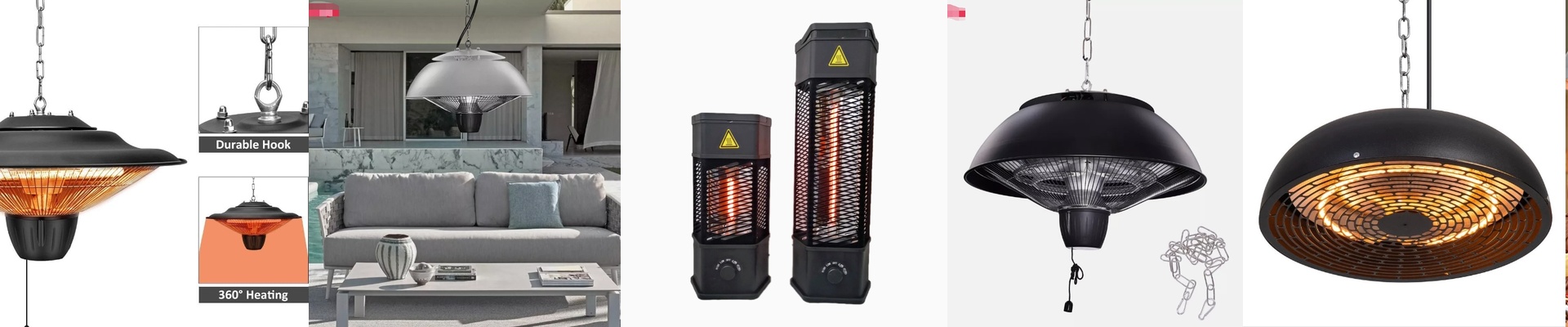
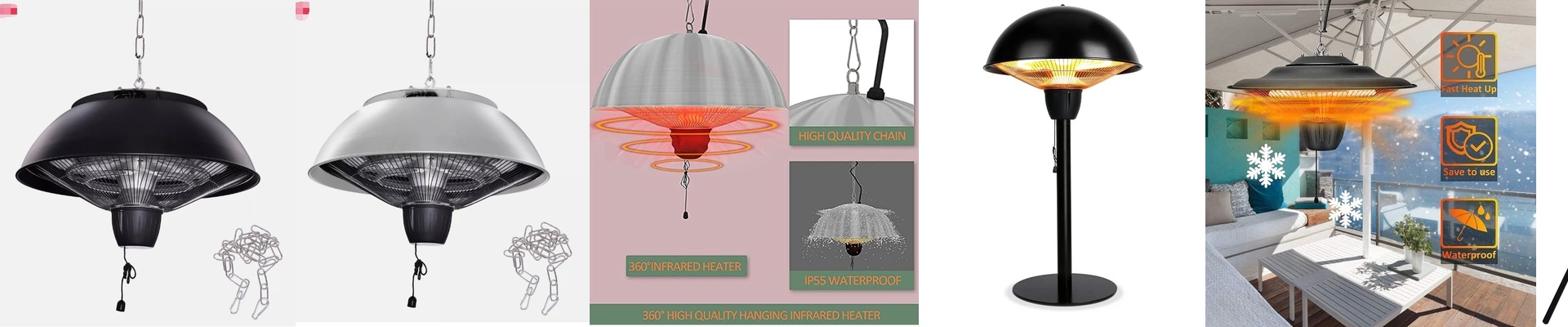

Why Your Bathroom Heater Keeps Dying (And How to Actually Fix It)
Let’s be honest: there is nothing worse than stepping out of a hot shower into a bathroom that feels like a walk-in freezer. Most of those standard lamp heaters just can’t handle it. Between the constant steam and the occasional splash of water, they tend to give up the ghost pretty quickly. That’s why we’ve been moving toward waterproof infrared heaters. They aren’t just “better”—they work completely differently.
The Magic of Radiant Heat
Most heaters try to warm up the air. The problem? That takes forever. Plus, in a bathroom, the cold tiles and damp air just suck the heat right out of your skin. Infrared is different. It doesn’t mess around with the air; it sends out waves that hit you and your surroundings directly.**It’s instant.**You feel the warmth the second you flip the switch. No more shivering while you wait for the room to catch up.
Dealing with the “Water vs. Electricity” Problem
We all know water and electricity are a terrible mix. Cheap heaters usually have open vents that let moisture sneak inside. Once that happens, the circuitry corrodes or shorts out, and you’re back to square one. To stop this, we use sealed housings with proper IP ratings. Think of it like a diving suit for your heater—we use gaskets and sealed cable entries to keep the dampness out. But here’s the tricky part: if you seal a unit too tightly, the heat gets trapped inside. If you cram a high-wattage element into a tiny, airtight box, the safety switch will trip constantly because it’s overheating. It’s all about finding that sweet spot between “waterproof” and “can actually breathe.”
Getting It Installed Right
If you’re renovating, don’t just plug these into a random outlet or hook them up to your light switch. They pull a lot of power. We always recommend a dedicated circuit and a moisture-resistant junction box. It’s a bit more work upfront, but it means you won’t be tripping your breakers every time you want a warm room. And because bathrooms are brutal on hardware, we avoid that cheap chrome plating that flakes off after one winter. Instead, we use coated reflectors and alloys that actually hold up. It means your heater stays looking decent and, more importantly, keeps working for years.