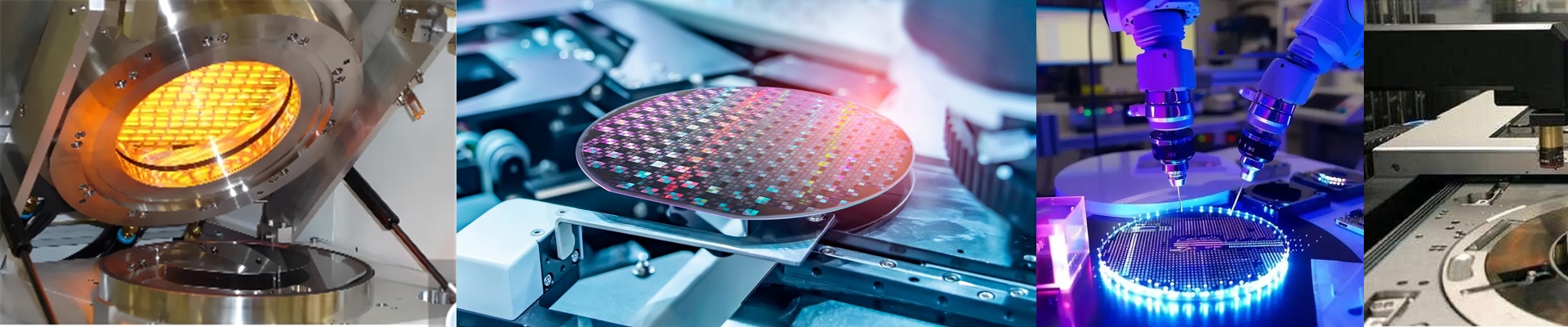


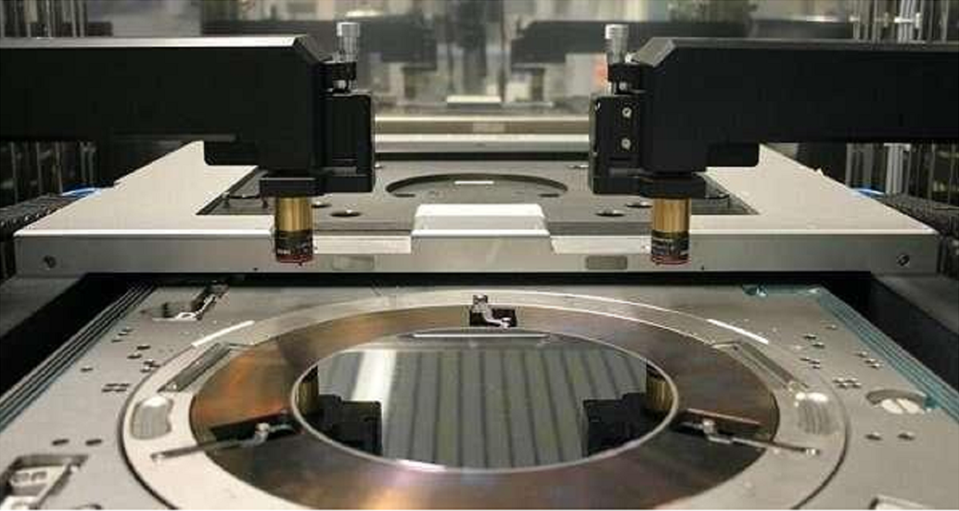
On the lithography floor, you learn fast that a soft bake drifting half a degree will shift the photoresist profile. And if the hard bake runs hot at the edge, you’ll see scumming show up in the track. In a Class 1–100 cleanroom, one particle from a heater can scrap an entire lot. So we built the cleanroom oven with infrared heaters that keep the thermal budget where it belongs—on the wafer, not bleeding out into the chamber. What matters, technically We run short-wave infrared (SWIR) quartz emitters for direct radiant heating, with sub-second response. Closed-loop control holds uniformity across the wafer plane at ±0.1°C, so soft bake and hard bake profiles stay in spec, lot after lot. The heater body is stainless, with sealed joints and low-outgassing materials, engineered to keep particle generation at zero. Cleanroom-rated construction keeps the unit compatible where contamination is measured in particles per cubic foot. Why it works in real processing Photoresist is temperature-sensitive, period. Tight uniformity cuts edge bead and gives you better critical dimension control, which means less rework and scrap. The fast thermal response shortens bake time without overshoot, so throughput goes up. And because the heat goes straight to the wafer instead of heating walls and exhaust, energy use drops. Uptime is the real reliability scoreboard—this system runs 24/7 on planned maintenance, not unplanned stops. Things to keep straight Infrared heating needs line-of-sight, so wafer orientation and spacing have to match the cavity layout. If you shadow the emitter, you’ll get cold spots. Check voltage and connector compatibility with your oven controller before install, and make sure the exhaust path lines up with cleanroom airflow. Plan on routine emitter inspections to keep uniformity inside the process window.