

Inside the Heat: Power, Voltage, and Size, Explained
Let’s talk about what makes this electric heater tick. We built it as a 400V, 2500W halogen quartz tube, 300mm long. Why 400V? It lowers the current draw compared to 230V, which keeps wires and terminals from getting swamped in high-power spots. The 2500W rating gives you serious heat in a small footprint, so you can warm up a focused area fast without overhauling the whole system. And that 300mm length? It’s the sweet spot—long enough to spread warmth evenly, short enough to slip into tight machine bays.
The Build: Halogen, Coating, and a No-Fuss Connector
The quartz envelope is filled with halogen gas, which keeps the filament steady and prevents the tube from darkening over time. That means consistent output, day after day. A high-temperature coating helps manage surface heat and keeps energy loss low, so more of the heat goes where you need it. And the R7s base? It’s a straight-pin, double-ended connector that locks the tube in place and carries the current cleanly—no adapters, no fiddling. It’s a straight swap into standard fixtures, so when a tube burns out, you’re back online quickly. No rewiring. No headaches.
Where It Shines: Precision Heat for Tough Jobs
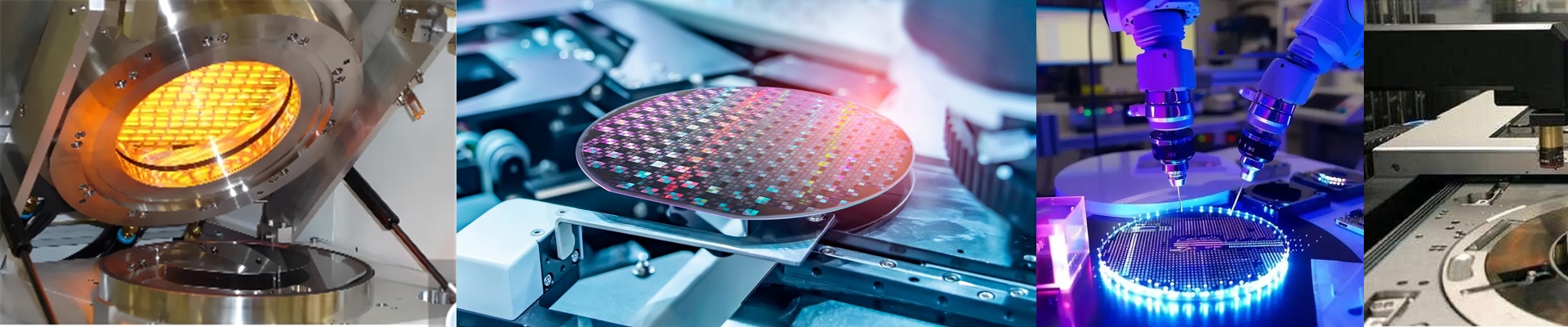
This setup is made for industrial heating where you need speed and reliability—preheating molds, drying coatings, supporting plastic processing. The heat hits hard and it hits fast. That intensity means you’ll feel more ambient heat around the fixture, so plan your guarding and airflow accordingly. This heater isn’t about looks. It’s about uptime, day in and day out, when the work has to get done.