Stop Heating Your Machine and Start Heating Your Sensors
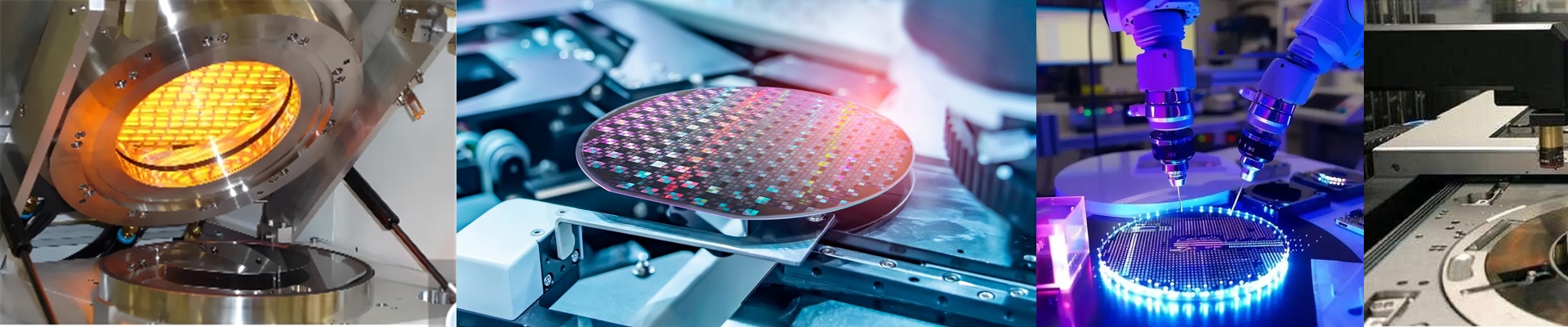
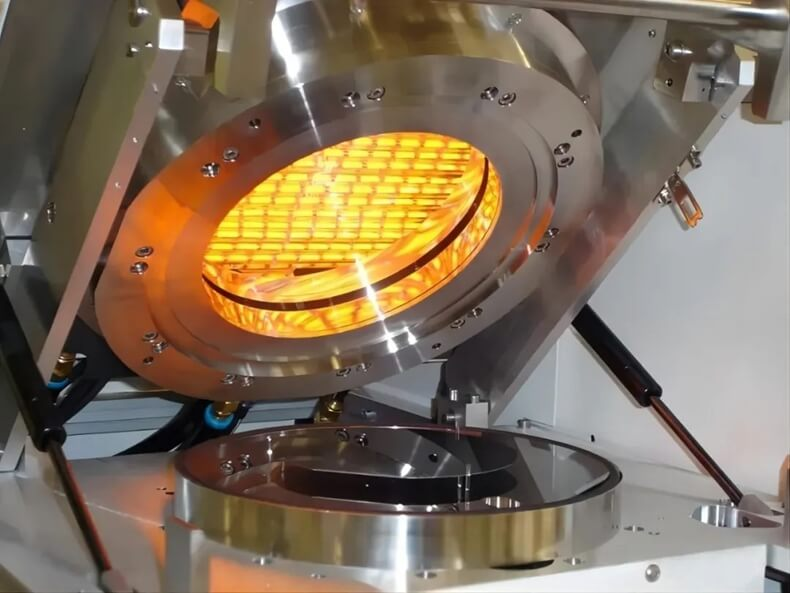
If you’ve ever worked with semiconductor gear for bio-sensors, you know the struggle with waste heat. When you use those standard, all-around lamps, the energy just sprays everywhere. It’s a mess. Not only are you throwing away power, but you’re basically turning your equipment walls into a radiator. The chassis gets scorching hot—which is a nightmare for anyone touching the machine and a huge risk for the sensitive parts sitting nearby. The trick is to get directional. Instead of just sticking in a bare quartz tube and hoping for the best, we use reflectors and specific wavelengths to aim the heat. Think of it like switching from a lightbulb to a laser. You’re pushing the energy exactly where the substrate is. The air stays cool. The frame stays cool. Because the heat is so focused, you get a sharp thermal gradient. The target hits the temperature it needs to, but the inner walls of the machine don’t feel a thing. This means you can stop relying on those obnoxious, oversized cooling fans or thick slabs of insulation just to keep the chassis from melting. Now, there are a few things to watch out for. Setting these lamps up in a bio-sensor line is a bit of a balancing act. If your alignment is off by even a few millimeters, you’ll end up with cold spots on your wafer. You can’t afford any wiggle room here, so make sure your mounting brackets are rock solid. And a word of caution: because the heat is so concentrated, the focal point gets intense. Your walls are safe, but your target material is taking a real beating. You’ve got to keep a close eye on your ramp-up speeds. If you go too fast, you’ll shock the material and crack your sensor substrate. The payoff is worth it, though. Your operators can actually touch the outside of the machine without getting burned. That’s a win for everyone. Plus, the whole setup takes up less space since you aren’t lugging around massive heat sinks. Everything just moves faster. The energy goes straight into the product, and your cycle times drop. It’s just a cleaner way to work.