Keeping it Safe: Infrared Heaters in the Bathroom
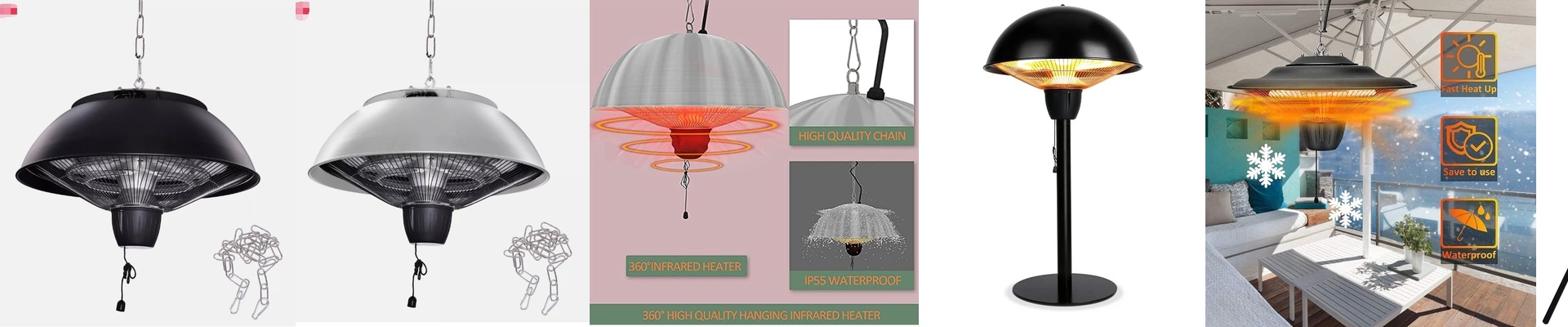
Putting infrared lamps in a bathroom isn’t the same as tossing a heater on a patio. You’re dealing with steam, splashes, and constant humidity. In that environment, electricity and water are a nightmare combo. If you don’t get the insulation right, you’re looking at short circuits or, worse, a ground fault. It’s not just about “following rules”—it’s about making sure nobody gets a shock while they’re trying to dry off.
The Battle Against Moisture
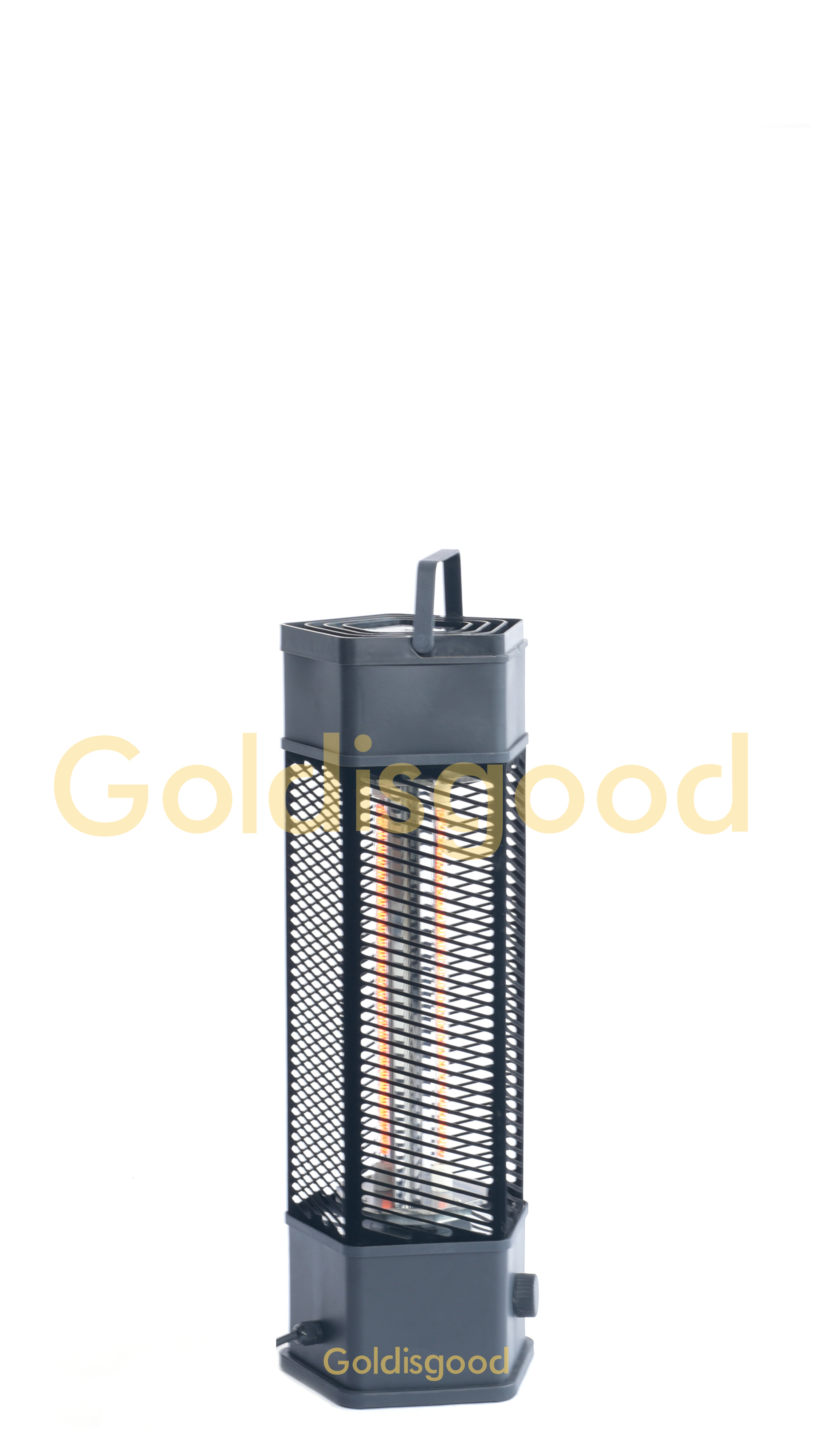
To keep things safe, we have to totally isolate the heating element. We use high-grade quartz glass and airtight seals to create a wall between the heat and the humidity. The real trouble spot? The connections. Standard sockets are basically open doors for steam. That’s why we use specialized gaskets and IP-rated housings. If you’re installing these, look for at least an IPX4 rating. If the heater is anywhere near a shower spray, go for IPX5. We also use silicone seals at the ends of the lamps. It stops water from “wicking” its way into the wiring—which is a sneaky way for moisture to ruin a system.
Heat, Shrink, and Expand
Here is the tricky part: heat moves. One second the lamp is cold, and the next, it’s hundreds of degrees. The quartz tube expands and contracts constantly. If your seals are too stiff, they’ll just crack. Too loose? Steam leaks right in. We use flexible, high-temp elastomers. They act like a rubber band that doesn’t melt, keeping a tight grip on the tube no matter how hot it gets. This keeps the live electrical parts safely separated from the metal chassis.
A Few Real-World Tips
First thing:**Use a GFCI breaker.**Period. No matter how fancy your insulation is, you don’t put a heater in a wet zone without a ground fault circuit interrupter. It’s the only way to sleep easy. Also, keep an eye on your wiring. When you add heavy waterproof cladding, the fixture gets bulkier and traps more heat around the cables. If you use thin wires, that trapped heat can actually melt the insulation. Use a heavier cable gauge to handle the extra warmth inside the housing.