Getting the Heat Right for Bio-Sensors
If you’re building bio-sensors, you know the temperature window is tiny. One wrong move and the whole batch is scrap. The old-school convection ovens just don’t cut it anymore, especially if you’re trying to modernize your shop. That’s why we switched to infrared (IR) systems. It’s direct energy. It’s instant. It basically turns your heat process into something you can actually control with data.
How the Heat Actually Works
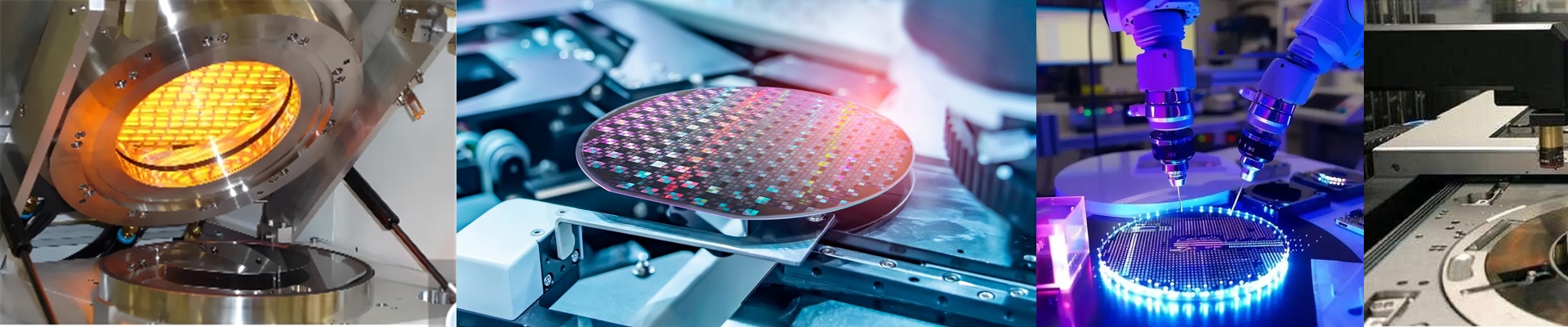
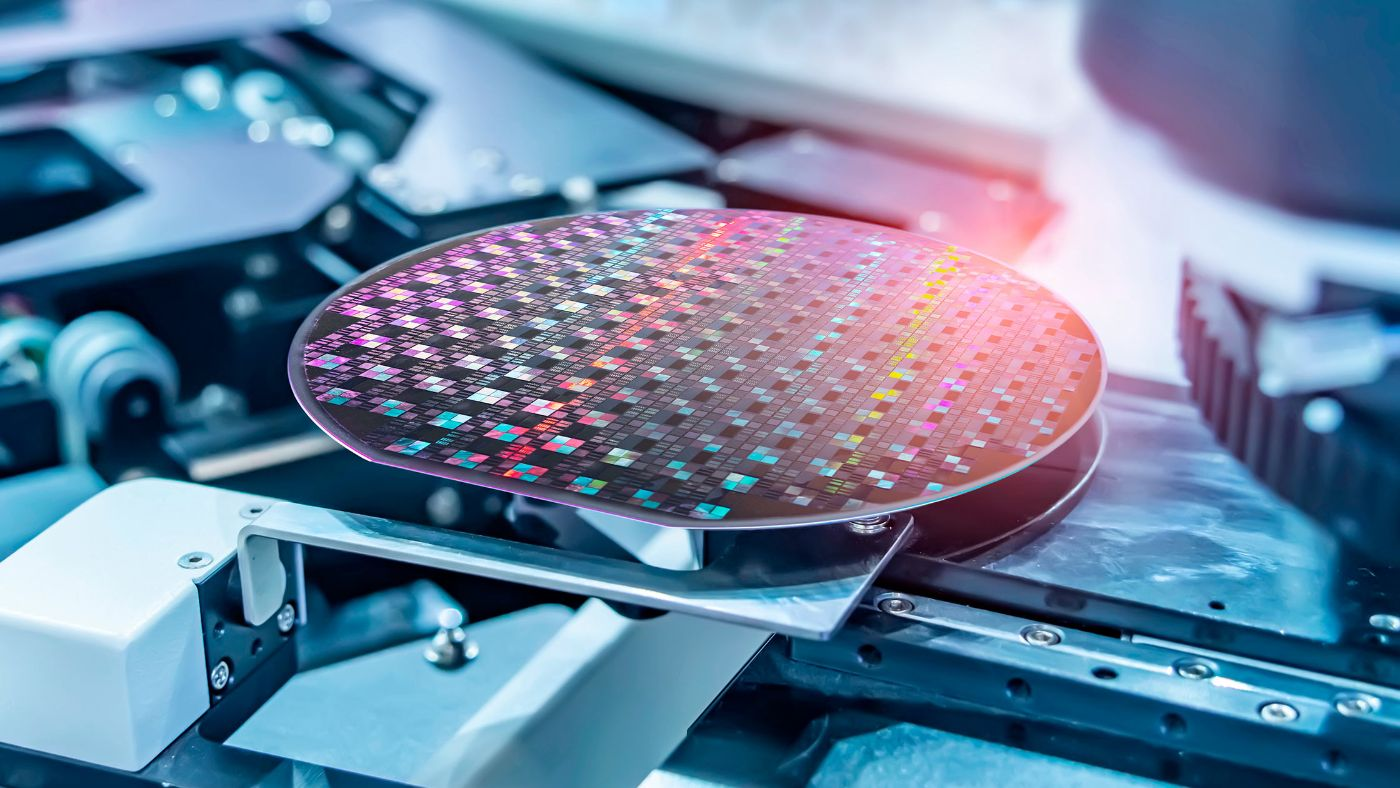
Think of it this way: in a modern fab, heat is just another piece of data. IR lamps turn electricity into radiation that hits the substrate directly. It’s fast. Really fast. Way faster than waiting for air to circulate. For bio-sensors, this is a lifesaver because you can hit the activation temperature the substrate needs without accidentally cooking the organic layers. We hook these systems up to PLC loops. By tweaking the power on the fly, you can see exactly what’s happening to the wafer in real-time. No more guessing. If the temperature drifts by even 2°C, the system catches it and fixes it in milliseconds.
The Hardware Headache
Here is the tricky part. You need a lot of heat, but you usually don’t have much room. You’re trying to squeeze these into tight modules without melting the electronics sitting right next to them. We usually go with short-wave IR. It digs deeper into the material and gets the job done quicker. But there’s a catch. Those high-intensity lamps put out a ton of radiant heat. If you aren’t careful, you’ll warp your plastic housings or fry your optics. You’ve got to get your cooling manifolds and shielding right. If your airflow is weak, your electrodes will burn out and you’ll be replacing lamps way too often.
Making it “Smart”
Moving to a smart fab isn’t really about the lamp itself—it’s about how you talk to it. We’ve ditched the manual dials for digital power controllers. Now, every single heat cycle for every single batch gets logged. It’s like having a digital diary of your process. So, if a batch fails, you don’t have to scratch your head wondering what happened. You just pull up the logs, find the exact second the temperature dipped, and fix it for next time.