Stop Turning Your Bio-Sensor Machines Into Ovens
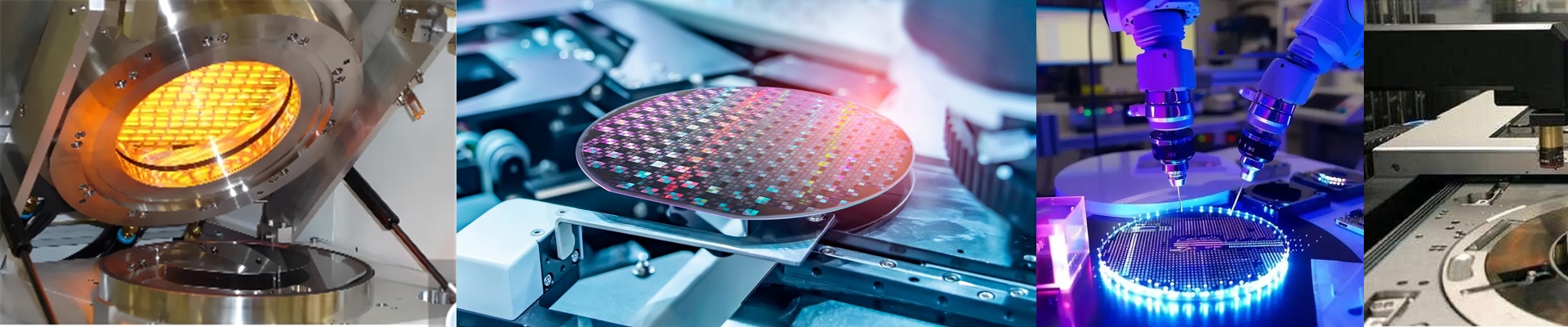
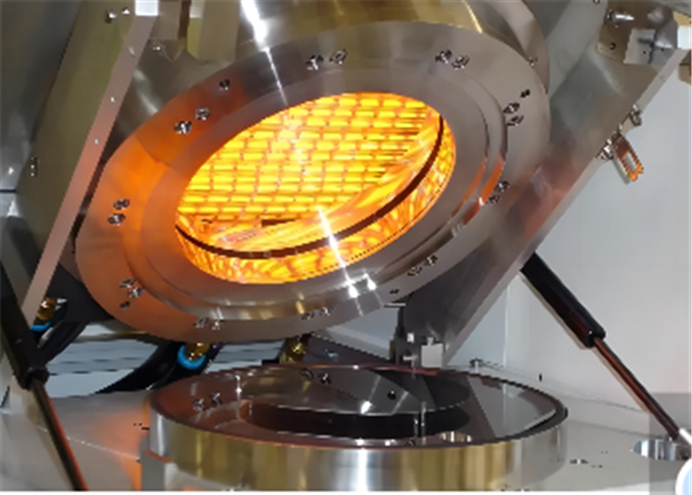
Making bio-sensors takes a lot of heat, and it has to be exactly in the right spot. But if you’re using standard IR lamps, you’ve probably noticed the problem: they blast heat everywhere. It’s a nightmare for anyone designing the equipment. The inner walls of the machine just soak up all that wasted energy until the whole chassis is burning hot. Not only does that trigger every thermal alarm in the system, but it’s a genuine safety risk for the people actually running the gear. The trick is to stop spraying heat and start aiming it. We swapped out that “blast everything” approach for directional heating. By pairing short-wave IR emitters with the right reflectors, we can squeeze that energy into a tight, focused beam. The energy goes straight into the substrate. Period. You still get the fast ramp-up speeds your materials need, but you aren’t accidentally heating the air and the machine casing in the process. And here is the best part: your cooling system can finally breathe. When the walls stay cool, you don’t have to waste money or space on massive fans or heavy-duty liquid cooling loops just to keep the machine from overheating. It just makes the whole setup safer and easier to manage. Plus, these units plug right into your existing PID controllers, so keeping your temperature windows tight is simple. Now, there is a catch. Because the beam is so focused, the heat density at the center is intense. If your substrate is off by even a couple of millimeters, you’re going to scorch your sample. This isn’t a “set it and forget it” kind of tool. You have to be obsessive about your mechanical jigging. Your alignment needs to be spot on, or you’ll end up with localized hot spots that ruin the work. It takes a bit more precision on the front end, but the results are worth it.