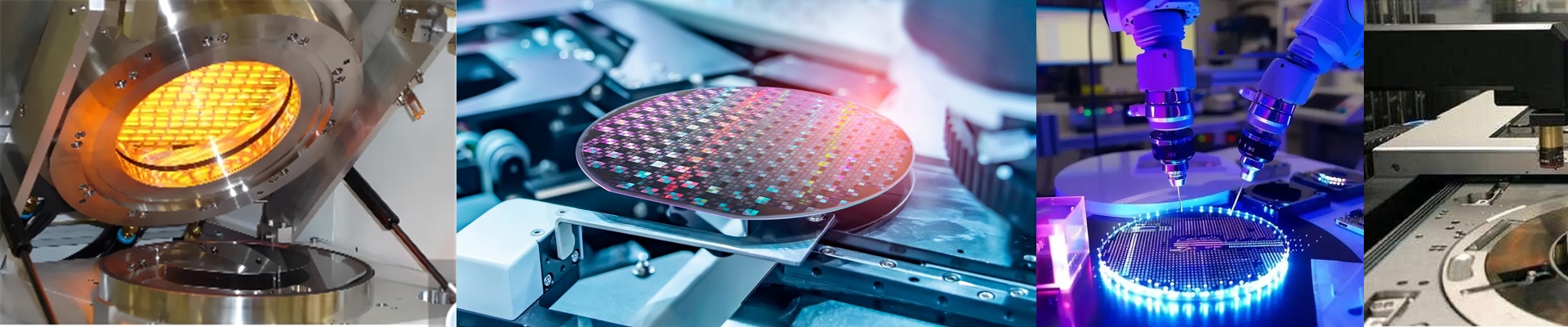

Out on the fab floor, that Aixtron MOCVD reactor sets the thermal budget that writes yield into every wafer. If the heater element starts to drift, temperature uniformity goes sideways, run-to-run repeatability falls apart, and you’re back to re-opening qualification windows. We built the Aixtron heater element spare to keep that thermal loop tight—no drift, no surprises. What matters, technically This element is built for MOCVD temperatures and fast settling. It holds wafer-level uniformity within ±0.1°C across the susceptor, so film stoichiometry stays locked in. It runs clean in Class 1–100 environments, with zero particle generation during ramp and hold—keeps defect counts off the photoresist stack. Quartz and halogen give you stable IR output, fast response, and predictable aging. The specs line up with Aixtron platforms: rated voltage and power, standard connector interfaces, and envelope dimensions that drop into existing tooling with minimal requalification. Why this matters in practice In lithography and photoresist processing, soft bake and hard bake profiles live on a thin thermal margin. A stable heater keeps critical dimensions, line-edge roughness, and adhesion from slipping. You also save energy because the element heats efficiently and holds setpoint without overshoot. It’s built for 24/7 operation, and field data puts thousands of hours between replacements—less unplanned downtime, less spare inventory tied up. Here are the gotchas Installation needs strict ESD and clean handling, and you have to condition the reactor chamber after the swap to reset thermal history. Match the exact connector type and mounting tolerances; if those are off, you’ll invite hot spots. Plan the changeout during preventive maintenance windows so you don’t trigger qualification drift.