



The Camping Electric Heater: Warmth, Right Where You Point It
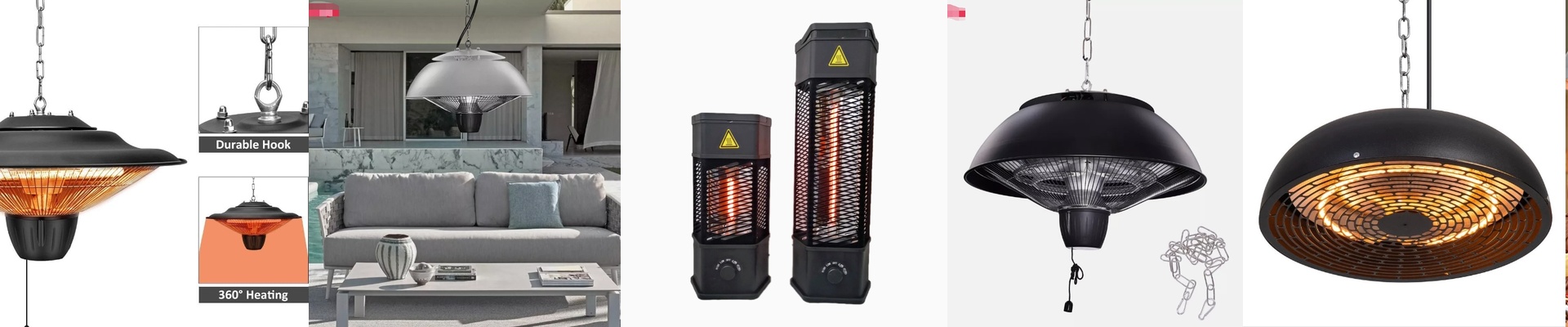
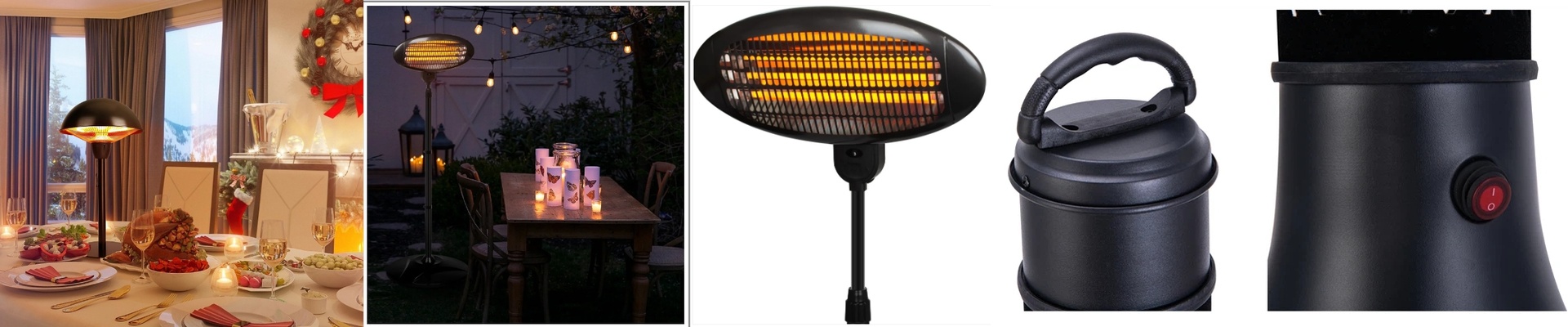
Let’s talk about a camping heater that actually gets the job done. We built this one to be a direct-radiant infrared lamp, pure and simple. The whole idea? Deliver heat fast, in a package that’s easy to move around. It’s not one of those convection heaters that warms the whole air. This is a halogen quartz heating element, and it throws heat exactly where you aim it.
The power you need, in a size that fits
It runs on standard field power—220V to 240V—and hits a solid 1500W. That kind of punch means you get warmth quickly, whether you’re inside a tent, in a makeshift work area, or hunkered down in a temporary shelter. The quartz tube is 300mm long, which keeps the footprint small. But don’t let the size fool you—it still spreads enough radiant heat to cover a defined zone comfortably. And yeah, it’s tough. Built to handle vibration and the constant pack-up, move-out rhythm of life on the go. Just keep it mounted securely and give it the breathing room it needs.
What’s inside, and why it matters
Inside the halogen quartz tube, the filament sits in a halogen gas environment. That helps slow down the blackening you often see in lamps and keeps the heat output steady over the life of the unit. There’s also an internal reflector coating that pushes infrared energy forward. That means more directional heating and less wasted heat spilling out the sides. For connections, we went with an R7s connector—the standard interface for linear halogen lamps. So it’s a straightforward drop-in replacement in existing fixtures, and wiring it up on the spot is simple.
Instant warmth, with a few simple rules
Out camping or working in the field, this setup gives you radiant heat almost instantly. No waiting around. It warms objects and people directly, instead of trying to heat the air around you. So even with ventilation, you don’t lose heat as quickly. But here’s the thing—the surface and the fixture do get hot. So you need to keep it clear of anything flammable and make sure there’s proper airflow. Run it at the rated voltage. Keep those R7s connections tight. And treat it like what it is—an industrial heating element that works best when it’s aimed, controlled, and respected.