
Don’t Let Your Ceiling Kill Your Heat
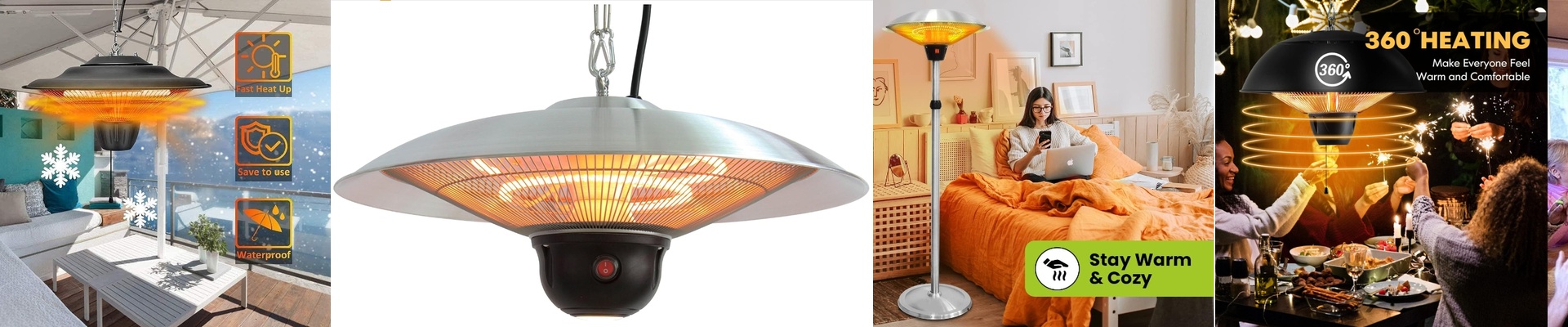
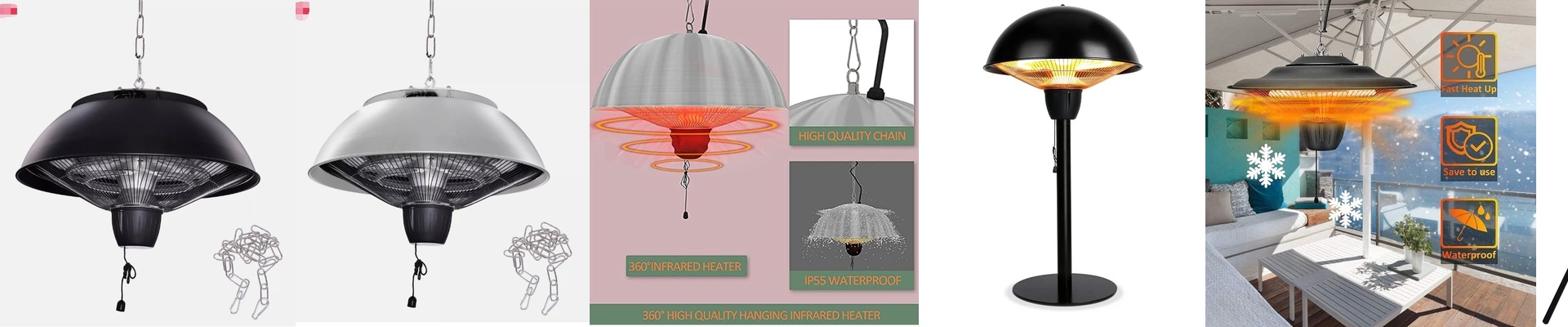
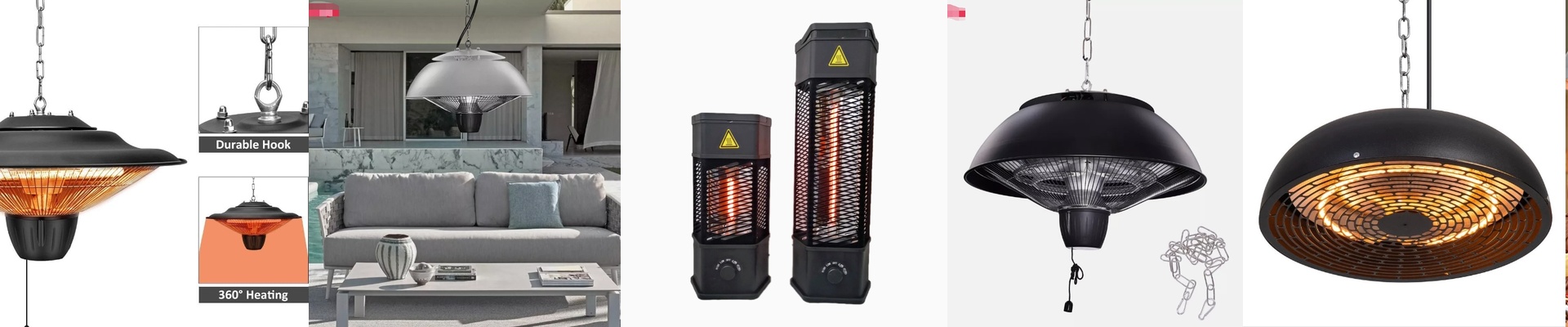
If you’re putting infrared heaters in an open-air restaurant, there’s more to it than just picking a powerful unit and bolting it to the beams. You’ve got to think about where that heat is actually going. If you mount them too close to the ceiling or under a low overhang, you run into a problem. The heat doesn’t just vanish; it pools at the top, creating a “heat pocket.” Basically, you’re warming up your roof instead of your guests. To keep things working right, try to keep the heaters at least 1.5 to 2 meters above the floor, and leave about half a meter of breathing room between the heater and the ceiling. And a word of caution: if you cram a high-wattage shortwave heater into a tight space, things get hot. Fast. If you’ve got a wooden pergola or a plastic awning, you’re looking at a potential fire hazard. Not a great look for a Friday night rush. The bottom line? Cold patios are money pits. When people are shivering, they don’t linger. They eat fast, skip dessert, and leave the second they’re done. But when you nail the height and placement, you create this cozy “warm zone” that hits them the moment they sit down. It feels great. And when guests feel comfortable, they stay. They order that extra round of drinks. They actually enjoy the atmosphere. It turns a seasonal patio into a spot that makes money all year long. Now, there are a few trade-offs to keep in mind. First, these things pull a lot of power. You can’t just plug them into a wall socket and hope for the best; you’ll need a dedicated circuit. Then there’s the height struggle. If you mount them higher, you cover more tables, but the heat isn’t as intense. If you mount them lower, it’s toastier, but the “warm zone” is smaller. It’s all about finding that sweet spot where the heat spread feels natural and your guests actually feel the warmth.