Introduction
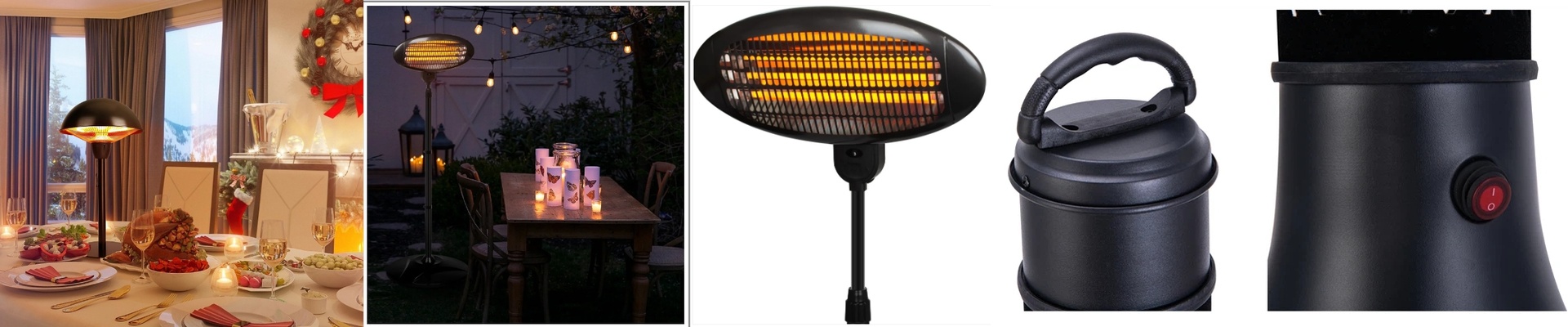
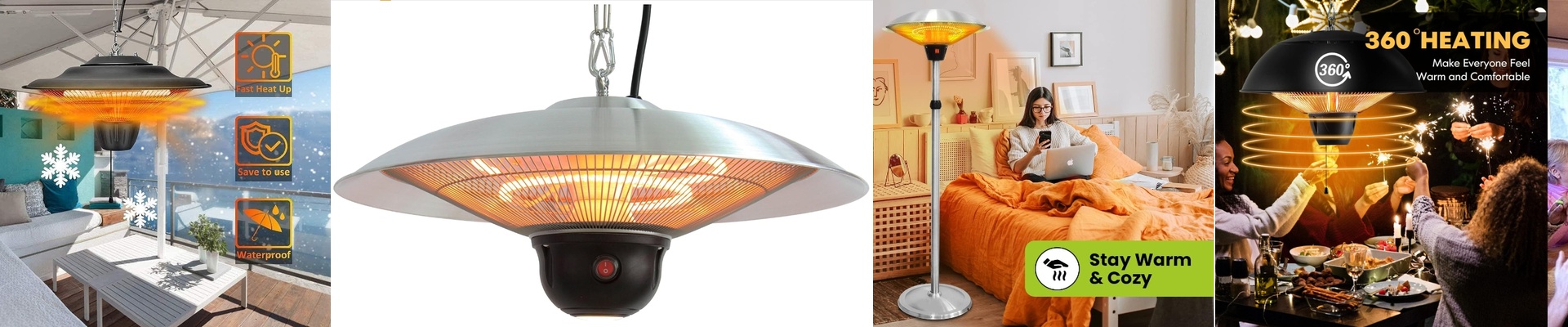
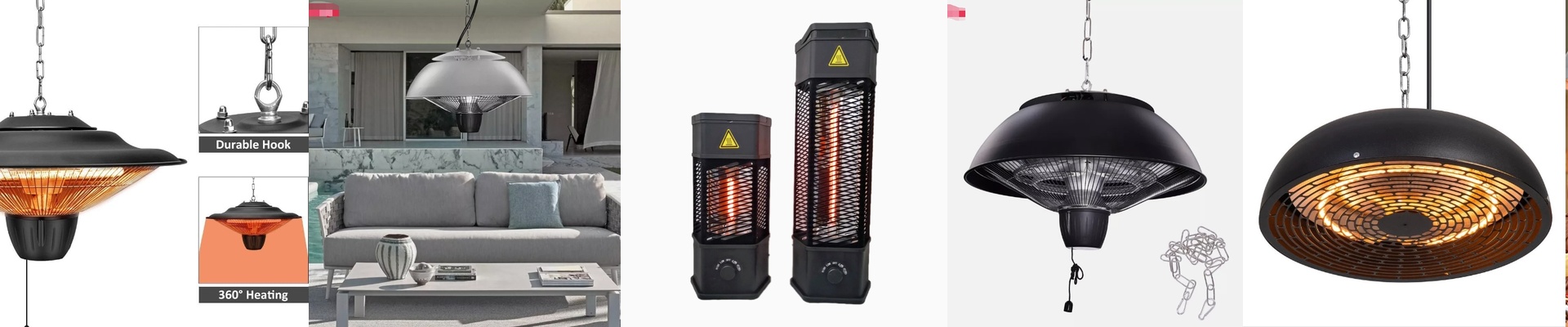
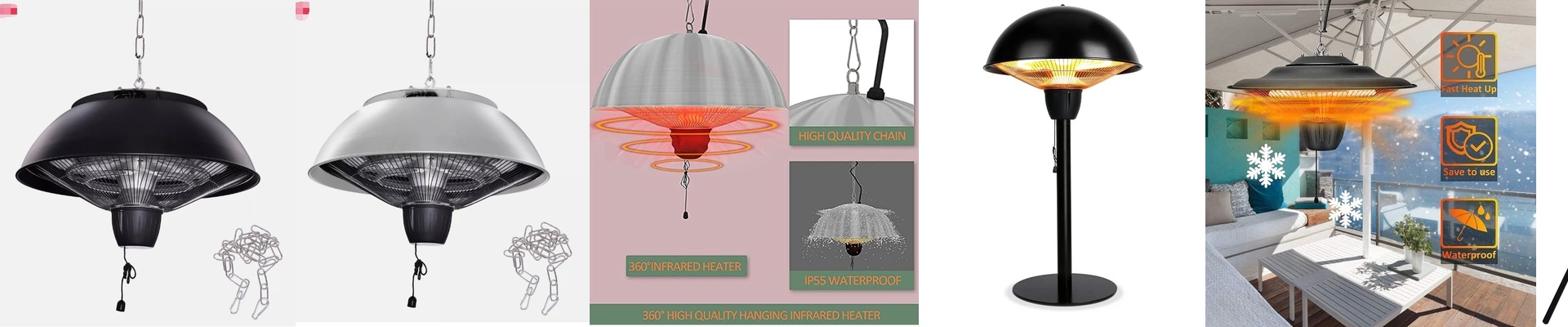
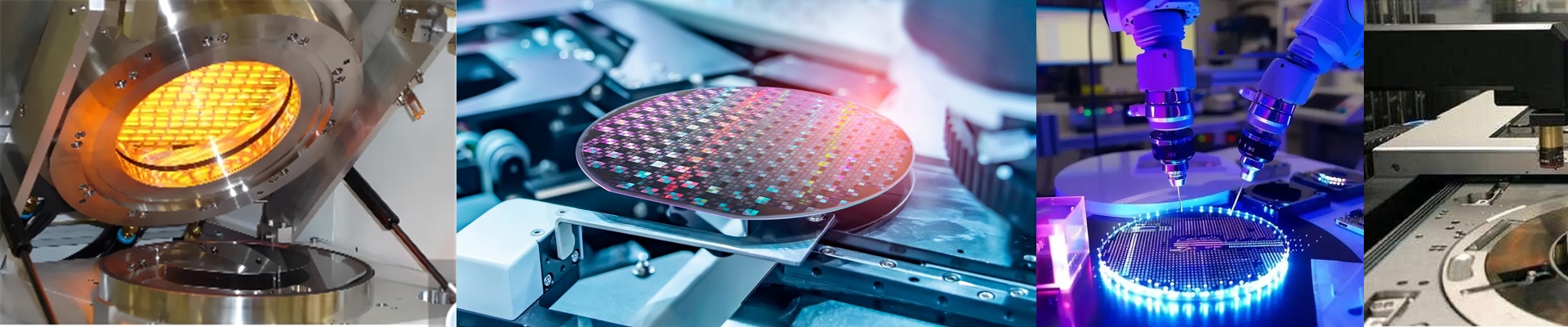
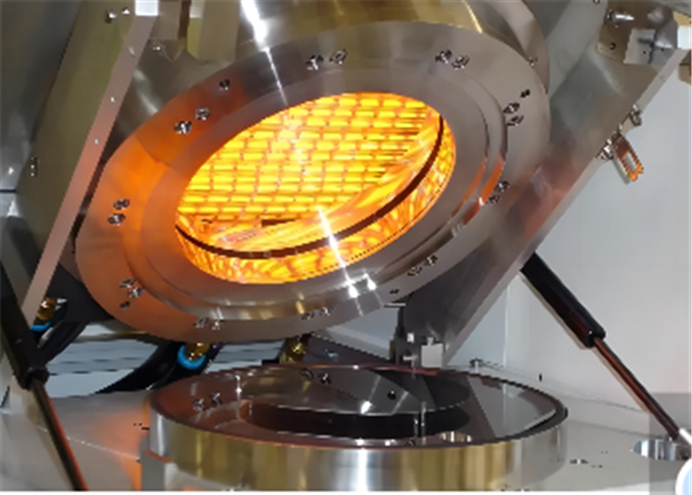
We build the infrared heating lamp systems that live right on your line for hydrogen sensor fabrication. The idea is simple: give you heat that’s fast and precise, exactly where you need it, without adding extra carbon load to the plant. This system focuses on the thermal steps in hydrogen sensor manufacturing where energy density and control really matter.
Technical Deep-Dive
Infrared heating gets the heat where it needs to go—fast. Our heaters are built to run at high power density, so the thermal profile jumps on command, whether you’re ramping up or holding steady. That matters in sensor fabrication, because thin-film deposition and annealing windows are tight. You get temperature control you can count on, across the whole wafer or substrate, which cuts down on scrap and rework. Voltage and wattage are matched to your process chamber footprint and electrical layout. Running at high voltage keeps current lower on the line, which means smaller conductors and fewer losses in the wiring. But here’s the thing: your switchgear and protection devices have to be spec’d for the same duty cycle. And you’ll want to plan your cooling carefully—high output density needs a solid heat-rejection path to keep the ambient stable.
Material & Design
We use shortwave infrared elements because they start up quickly and respond tightly to temperature changes. The quartz envelope handles rapid temperature cycling and holds up to the chemical environment inside fabrication tools. A coated surface boosts durability and helps maintain consistent emissivity over time, so output stays steady between maintenance windows. And the connector choice—R7s or SK15—isn’t random. These interfaces handle high temperature and give you a secure, repeatable termination. In a cleanroom, you need a connection that stays put during thermal expansion and doesn’t loosen when there’s vibration. The compact footprint lets you drop the unit into existing tool bays without redesigning the machine frame.
Application & Benefits
In hydrogen sensor fabrication, the heater sits inside or right next to process modules, where temperature uniformity directly affects sensor performance. Infrared delivery cuts preheat time and shortens cycle times, which means less energy draw per batch. If you’re running a green factory program, that reduction shows up as a real, measurable cut in carbon footprint per wafer. You end up with a system that specs clean, wires up quickly, and can take the daily beating of continuous fab operation. You can expect stable output over long runs—just make sure your cooling and electrical distribution are matched to the heater’s power density. That’s the trade you make for the speed and control semiconductor manufacturing demands.