
Keeping Your Infrared Heaters Safe in Wet Zones
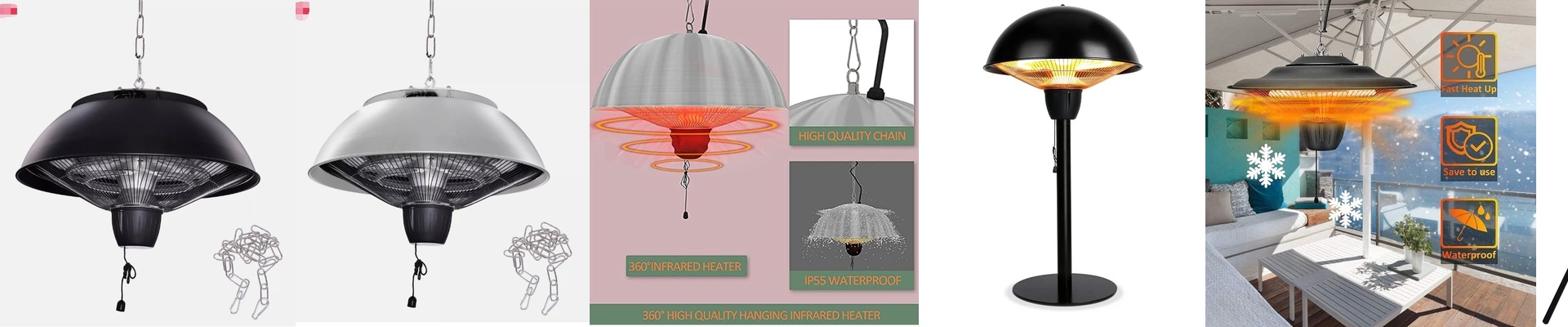
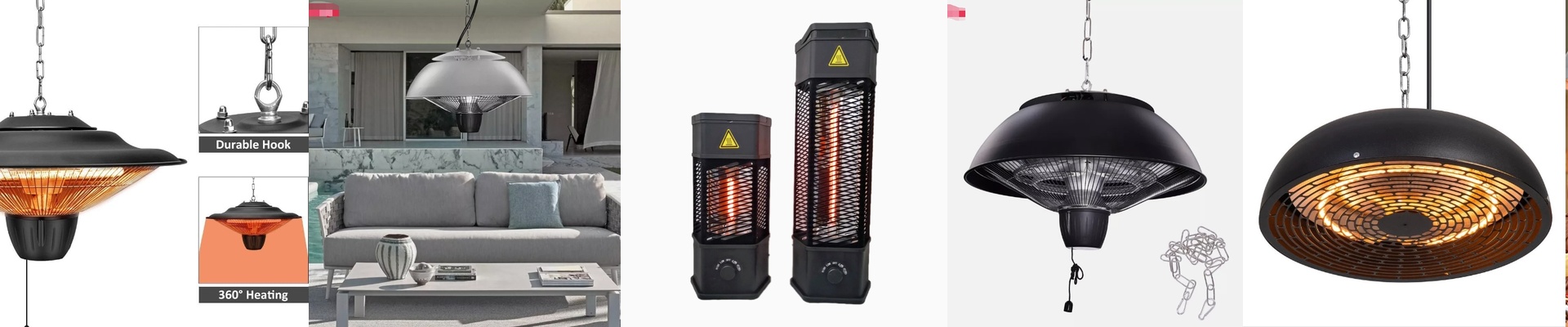
Let’s be honest: putting an infrared lamp in a bathroom or a steam room is a bit nerve-wracking. You’ve got water vapor everywhere and the occasional splash. That’s a recipe for a short circuit or a ground fault if you aren’t careful. To stop that from happening, we lean on IP65-rated enclosures and some very specific insulation barriers to make sure the electricity stays exactly where it belongs.
The struggle with IP65 sealing
Now, an IP65 rating basically means the housing keeps out dust and handles water jets without breaking a sweat. But here’s the catch: infrared heaters gethot. We can’t just wrap the whole thing in plastic, or the casing would melt into a puddle. Instead, we use high-temperature silicone gaskets and tempered glass seals. This keeps the moisture out while letting the heat pass through freely. But seals can fail. When they do, moisture hits the live terminals. That’s why the insulation side of things is so critical.
Isolation and grounding (The safety net)
To keep current from leaking, we use double-insulated wiring and ceramic terminal blocks. We love ceramic because it doesn’t warp or degrade when things get scorching. We also test every single unit for dielectric strength. It’s a fancy way of saying we make sure the power stays in the circuit and doesn’t migrate to the outer shell. One big rule: you have to ground the outer chassis. Think of it as your insurance policy. If a wire burns out or a seal gives way, a proper ground path trips the breaker instantly. It stops the metal casing from becoming live and dangerous.
The real-world trade-off
Here is the part the brochures usually skip. When you seal a heater to IP65 standards, you’re killing your airflow. Since the unit is closed tight to keep water out, you can’t use forced-air cooling. This means the guts of the machine run much hotter. You’ve got to be really smart about how you pick your thermal cut-off switches. If you try to cram too much wattage into a tiny, sealed box, the internal heat will just bake the lamp, and it’ll burn out way too soon. It’s all about balance. Give your heater some room to breathe—within its seal—so it actually lasts.