

Why Your Outdoor Heaters Keep Shorting Out (And How to Fix It)
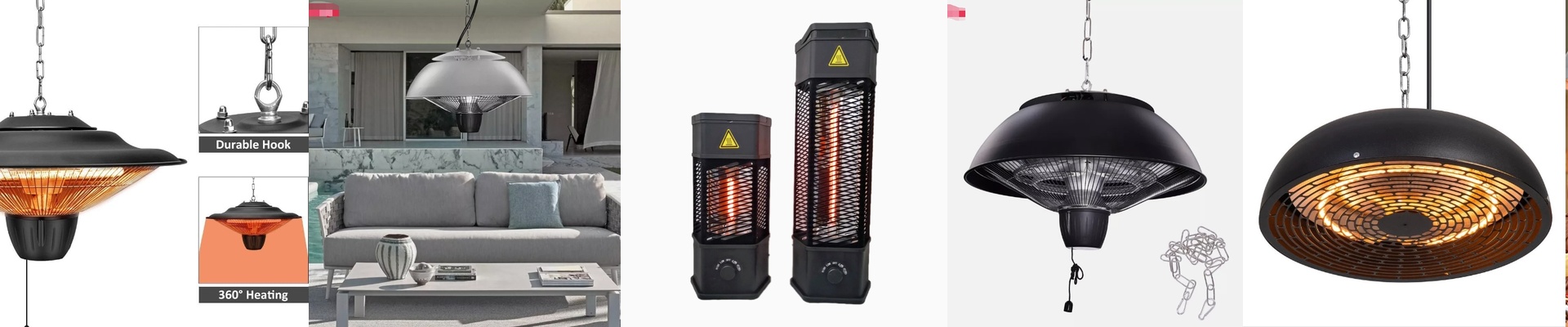
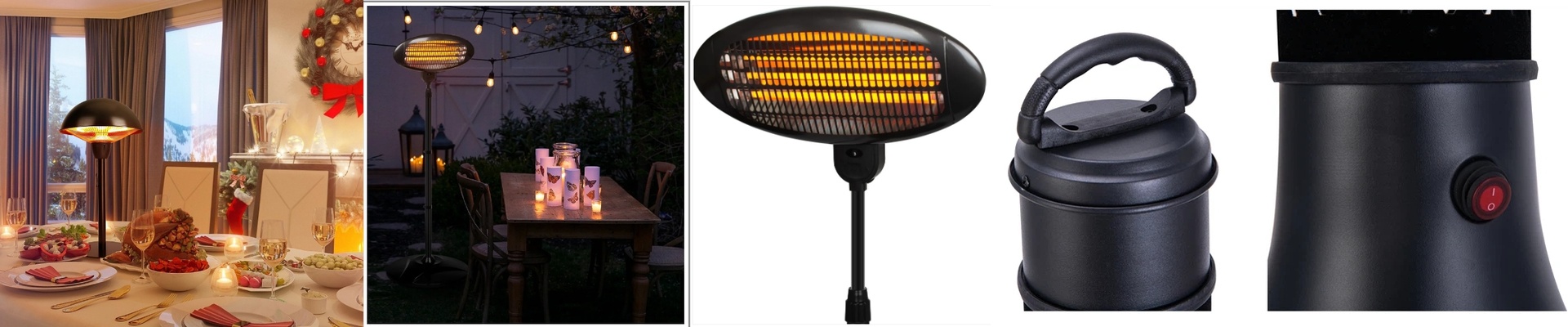
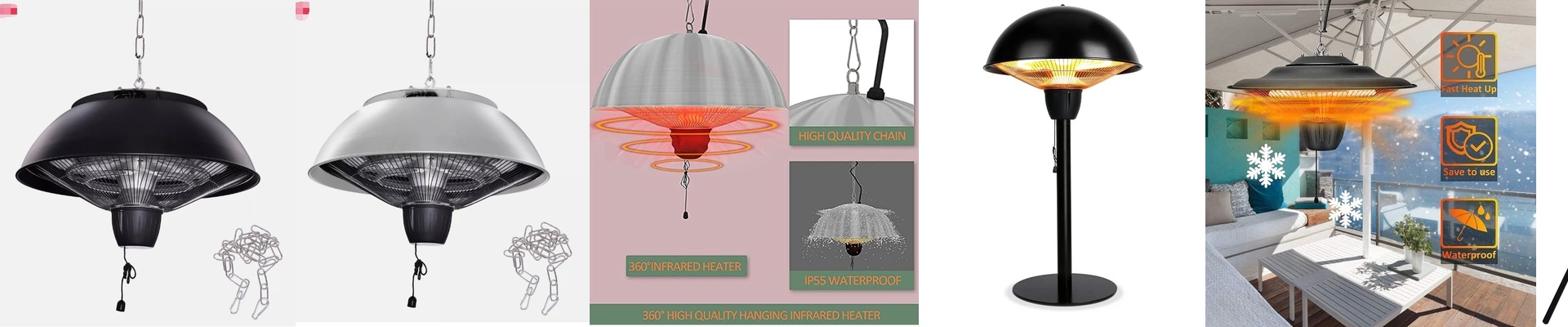
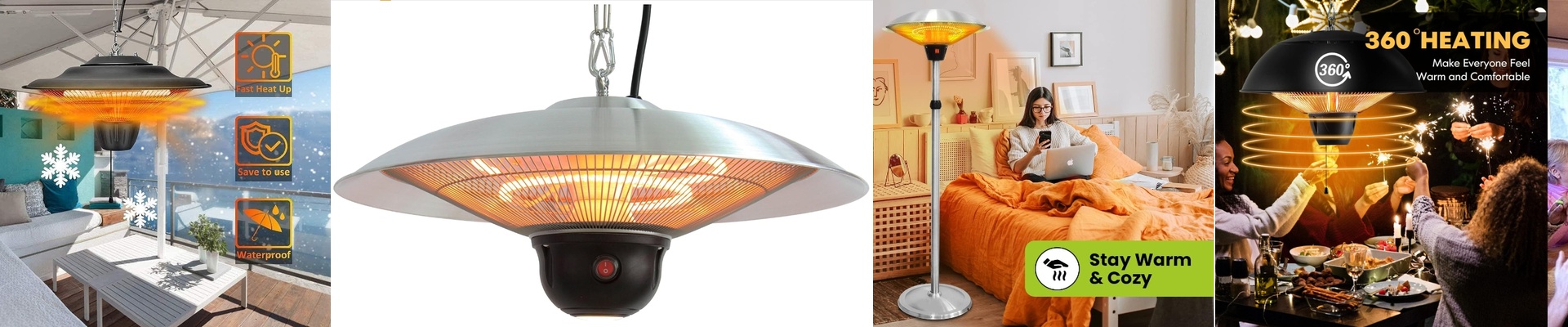
Outdoor infrared heaters have a rough life. They spend their days fighting a constant battle between scorching heat and freezing rain. Most of the time, when a heater dies, it’s not the element itself that gave up. It’s the spot where the lead wire meets the heating element. That little junction is where everything usually falls apart.
The slow burn of a bad seal
Think about what happens when you flip the switch. That transition zone between the quartz tube and the wire gets incredibly hot. If the sealing material is cheap, it starts to shrink. Then it cracks. Once those tiny cracks open up, moisture crawls inside. It doesn’t always happen instantly. But eventually, that dampness creates a path for electricity to jump where it shouldn’t. You don’t just get a blown fuse; you get carbon tracking. Once that happens, the heater is basically junk.
Why the “cheap stuff” doesn’t cut it
A lot of basic assemblies just use some silicone or a bit of heat-shrink tubing. That’s fine for a lamp in your living room, but not for an outdoor heater. These elements expand and contract every single time they cycle on and off. Basic plastics just can’t keep up. We do things differently. We use heavy-duty potting compounds and compression seals. It creates a tight, air-proof barrier. This does more than just keep the rain out. It keeps oxygen away from the connection, which stops the metal from oxidizing. Plus, it keeps the electrical resistance steady. When a seal fails, the connection gets loose. Loose connections create hotspots, and hotspots burn through your wires. Simple as that.
A few things to keep in mind
Here is the trade-off: better sealing makes the wire exit a bit more rigid. You can’t just bend these wires into a sharp 90-degree angle like you can with the unsealed versions. If you force a tight bend during installation, you might actually crack the potting compound. Give the wire some room to breathe—keep a natural curve to make sure it stays waterproof. And one last tip? Gravity is your friend. We build these to take a beating in the snow and rain, but no seal is invincible. If you mount your fixture upside down, water will pool right on that junction. Mount them so the water runs off, and your heaters will last a whole lot longer.