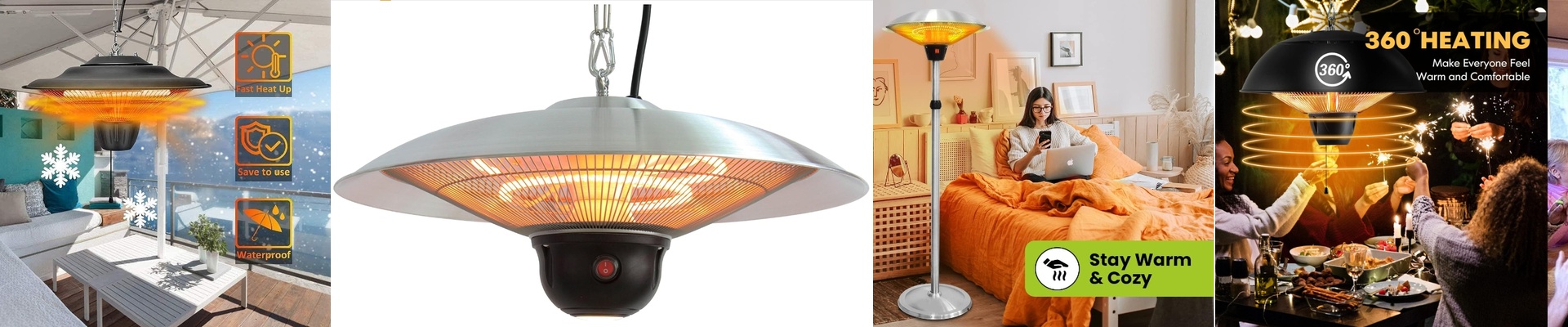
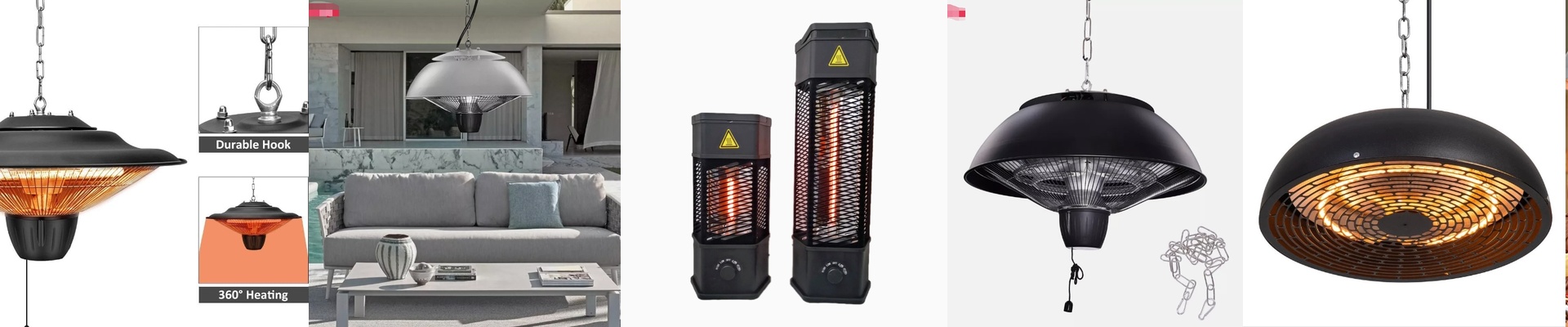
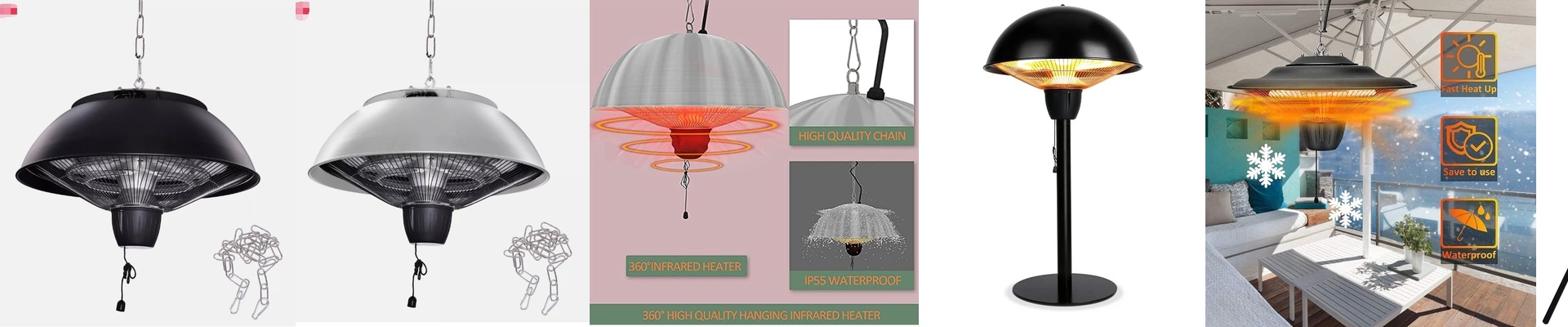

Getting the Heat Right (Without Blinding Yourself) in the Bathroom
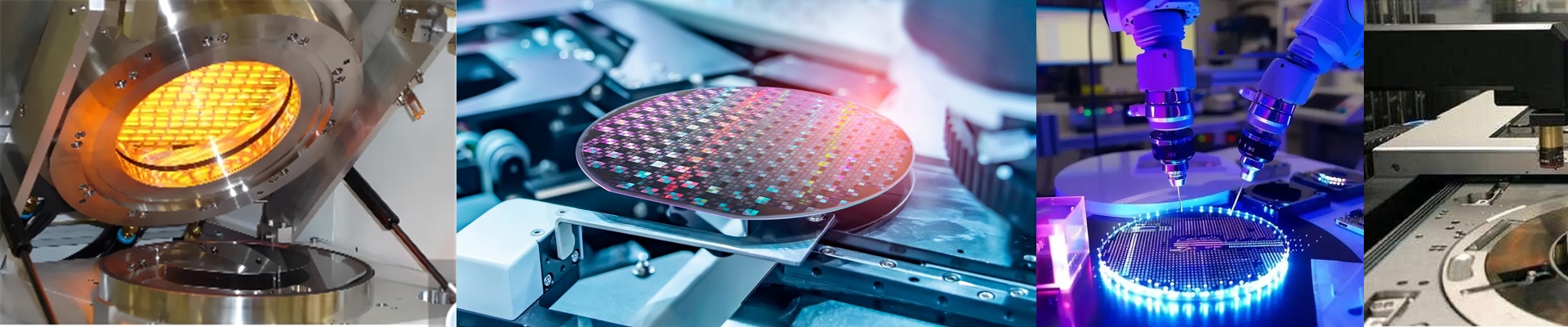
When you’re putting together infrared heaters for a bathroom, an IP55 rating is just the starting point. It’s basically the “entry fee”—it keeps the steam and dust from frying the electronics. But the real headache isn’t the waterproofing. It’s the light. Standard short-wave lamps are blinding. Seriously. If you’ve ever looked at one, you know that harsh glare. Now, imagine that in a bathroom, maybe with a baby nearby. That kind of intensity is just too much for the eyes to handle. So, how do we fix the glare? We tweak the spectrum. Instead of just letting raw, unfiltered radiation fly, we use quartz tubes with special coatings. Think of it like a filter that kills the blinding light but keeps the cozy heat. By pushing the energy into the mid-to-long wave range, you get that deep, warming feeling on your skin without feeling like you’re staring into a welding torch. The tricky part: The build Fitting these lamps into a waterproof box is a tight squeeze. We use high-temp gaskets and sealed cables to make sure the IP55 seal actually holds up. Since these things get incredibly hot, we use specific alloys for the housing. You want the heat going down toward the person, not turning the outer casing into something that’ll burn your hand if you touch it. One quick tip: Check your wiring. These lamps have a massive power surge the second they kick on. If your circuit breaker is a bit too small, you’re going to be walking to the electrical panel a lot. The trade-off Here’s the thing: when you filter the light to save your eyes, you lose a tiny bit of that instant “hit” of heat you get from industrial lamps. It takes a few seconds longer to feel the warmth. In a bathroom, that’s a trade I’ll make every single time. Safety first. Just a heads-up on the install—don’t hang them too low. If they’re too close to the skin, the filtered light won’t matter because the surface temperature will just be too hot. Get the height right, and you’re golden.