
Why your bathroom heater keeps dying (and what actually works)
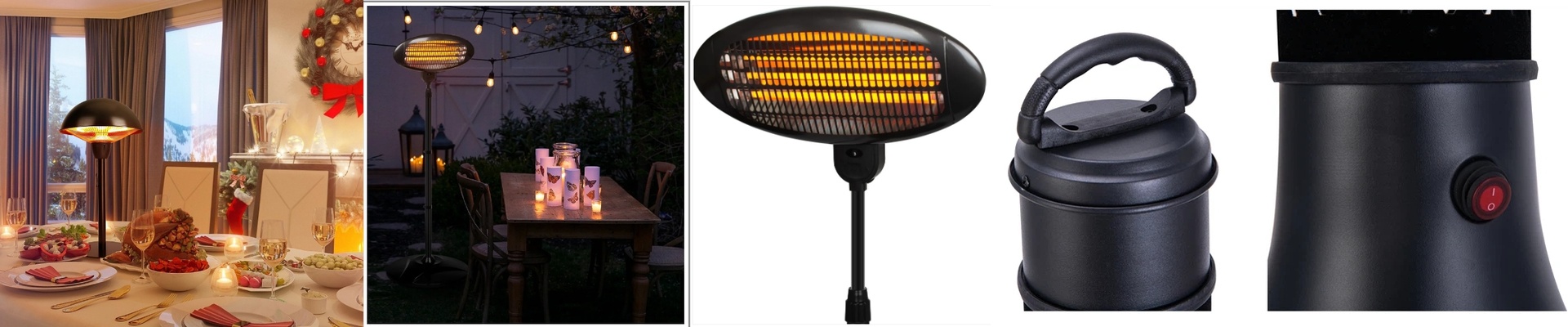
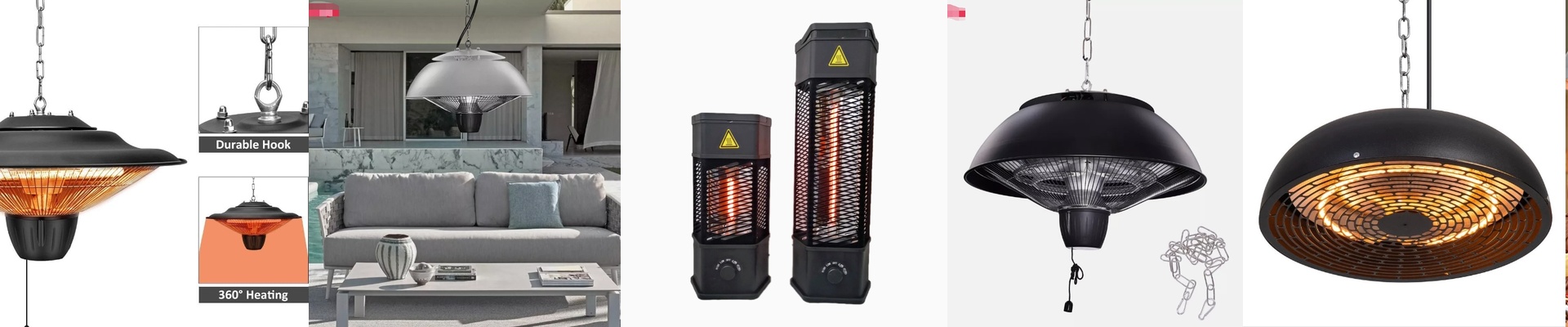
Let’s be honest: most of those standard bathroom “lamp warmers” are a joke. They aren’t actually built for a room full of steam. You install one, it feels okay for a while, and then—boom—it shorts out. That’s why we’re seeing so many people switch to high-IP waterproof infrared heaters during their renovations. We aren’t talking about a cheap plastic shell that’s “water-resistant.” We’re talking about gear designed to take direct splashes and heavy steam without giving up the ghost.
Stop heating the air, start heating yourself
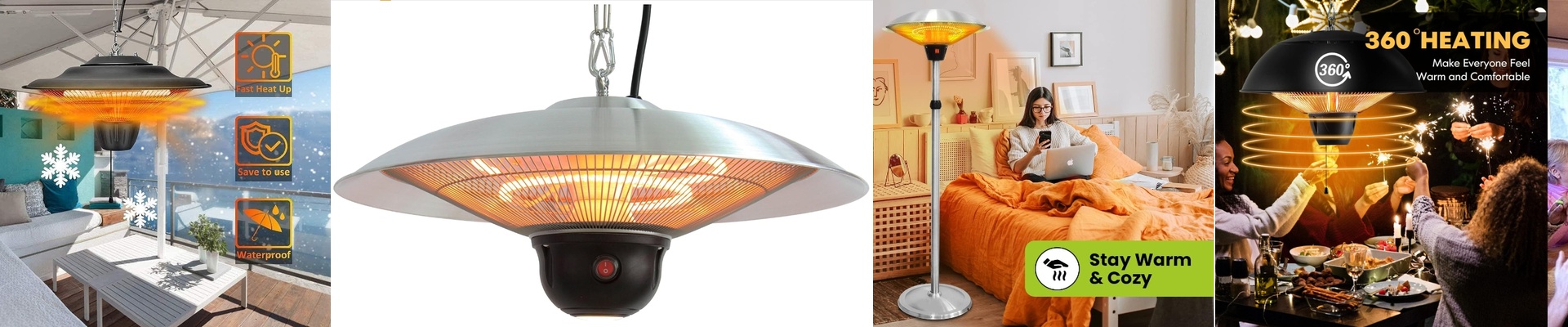
Here is the thing about traditional heaters: they try to warm up the air. But in a bathroom, that warm air just floats up or gets sucked out by the vent. You’re left shivering while your ceiling is toasty. Infrared is different. It doesn’t care about the air. It sends out waves that hit your skin and the walls directly. It’s like stepping into a patch of sunlight on a cold day. It happens instantly. No waiting around for the room to “warm up”—you just feel it the second you flip the switch.
The “IP Rating” stuff (in plain English)
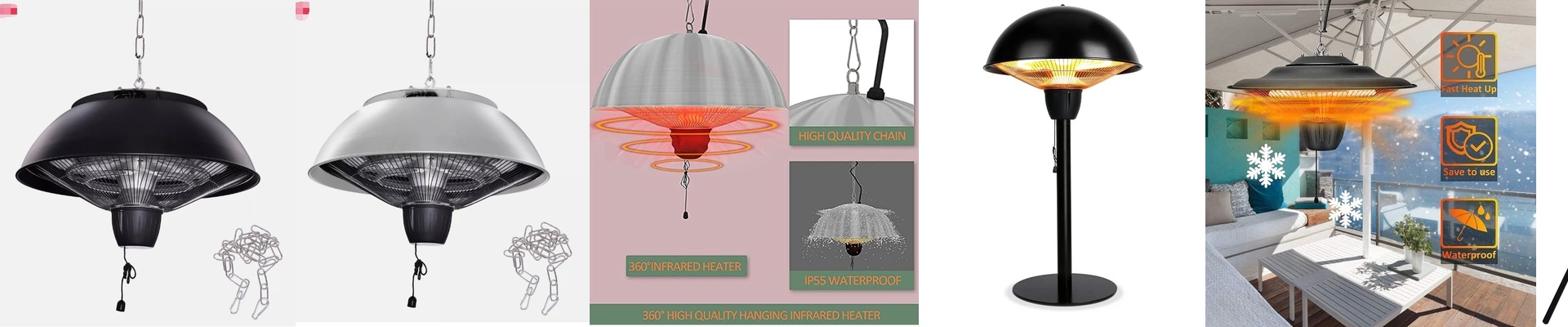
You’ll see “IP ratings” on the boxes. All that really means is how well the guts of the machine are protected from the outside world. Cheap heaters have basic covers, but a high-spec unit uses sealed gaskets and tempered glass. This is huge because if a drop of cold water hits a red-hot quartz tube that isn’t shielded, the glass can literally crack from the shock. Plus, we seal the wiring terminals. Most bathroom heaters burn out after a couple of seasons because the moisture eats away at the wires. Proper sealing stops that corrosion in its tracks.
A quick heads-up on installation
Now, you can’t just swap out a lightbulb for one of these and call it a day. These units pull a lot of power. If you plug a high-wattage infrared heater into a circuit that isn’t ready for it, you’re going to trip your breaker the moment you turn it on. It’s a pain, but we always suggest running a dedicated line for these. They take up a bit more space than a simple bulb, sure. But the tradeoff is worth it. You get an incredible amount of heat and the peace of mind knowing you aren’t putting exposed electrical elements in a wet room.