

Why we put our bathroom lamps through the “steam chamber”
Let’s be honest: bathrooms are a nightmare for electronics. You’ve got thick steam, crazy temperature swings, and constant humidity. If we just tested a lamp on a dry workbench and called it “good to go,” it would probably die the second it hit a real-world shower. That’s why we put every single batch through damp-heat aging tests. It’s basically a torture chamber for lamps.
The battle against moisture
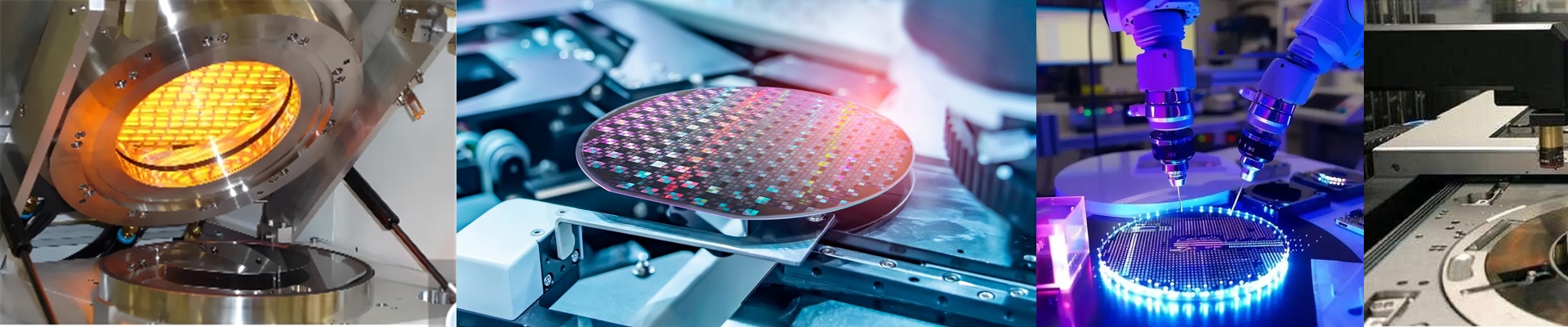
Here is the deal with these heaters. They use tungsten filaments inside quartz glass. It sounds simple, but water vapor is the enemy. If the seal where the wires meet the glass isn’t perfect—and I mean perfect—moisture sneaks in. Once that happens, the filament starts to oxidize. It doesn’t take much. Just a tiny, invisible leak can make the filament thin out and snap the moment it heats up. To stop that from happening to your customers, we lock the units in a chamber with high heat and heavy humidity. We aren’t checking to see if they “perform well.” We’re trying to break them.
Finding the weak spots
We push these things until they give up. We’re looking for electrical leaks or that annoying cloudiness that happens to the glass. Usually, if a lamp fails, it’s something small—maybe the crimp on the connector was a fraction off, or the seal on the tube didn’t set right. It’s a simple pass-fail system. Either the lamp survives the cycle, or it goes in the scrap bin. There is no middle ground. Because we’d rather throw a lamp away now than have it short out while someone is stepping out of a hot shower.
The trade-off
Now, doing things this way isn’t the “efficient” route. Using higher-grade sealants and tightening our quality checks slows down production. It makes the lamps more expensive to build. But the alternative? A mountain of returns and a lot of frustrated customers. We’re fine with a slower pace. We’d rather take the hit on production time to make sure the gear can actually take a beating in a wet bathroom without quitting on you.