


Why We Built Our Infrared Heaters to be Modular
Let’s be honest: maintaining gear in a high-ceiling warehouse is a total pain. When a heating element dies 30 feet up, it’s not just a quick fix. You’re suddenly renting a scissor lift, blocking off a production zone, and losing hours of work just to swap one part. It’s a headache nobody wants. That’s exactly why we stopped building heaters the old way.
The “Plug-and-Play” Approach
Most industrial heaters are hard-wired or crammed into a chassis that you have to basically tear apart to fix. We hated that. Instead, we went with modules. If a tube burns out after five years of heavy use, you don’t have to rewire the whole unit. You just pull the dead module out and drop a new one in. It turns a grueling afternoon of work into a few minutes. You don’t need a full system overhaul just because one quartz tube gave up the ghost.
Dealing with the Heat
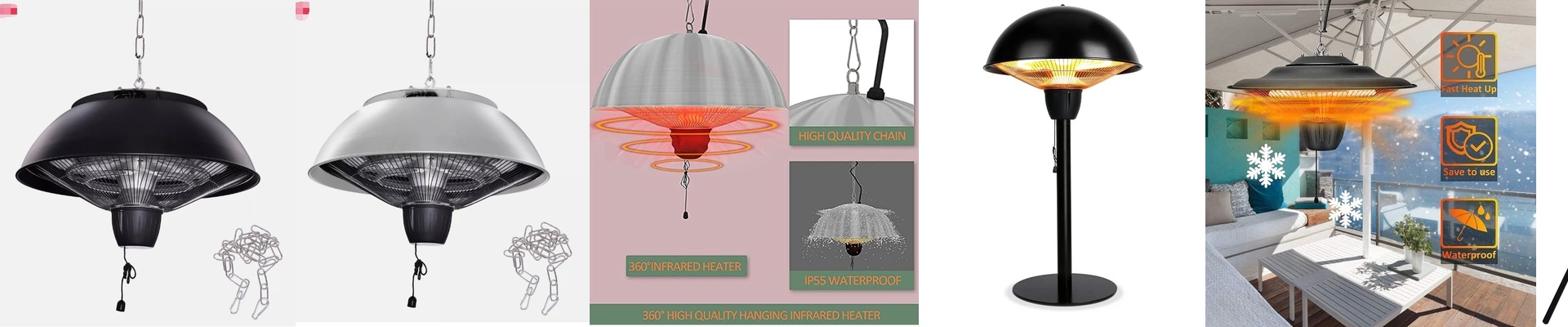
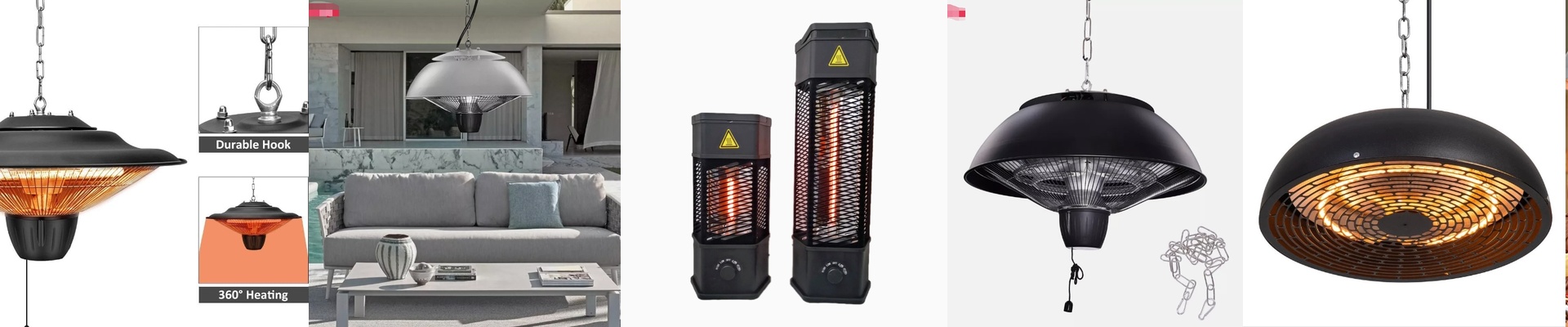
To actually get warmth down to the floor from a high ceiling, we use high-wattage shortwave elements. They pack the punch needed to reach the ground without the heat just drifting away. But there’s a catch. That kind of power puts a lot of stress on the connectors. To stop things from arcing or loosening up as the metal expands and contracts, we used reinforced terminals. They’re tough. Just a heads-up: make sure your electrical panels can handle the initial surge when these kick on. If your breakers are too small, the modular design won’t save you from tripping the power every time you start up.
Built for the Real World
We build these for the shop floor, not some pristine laboratory. That means the modules are designed for a technician wearing heavy work gloves. No tiny, annoying screws. No fragile plastic clips that snap the moment you touch them. You swap the element, lock it in, and flip the switch. It’s a simple, mechanical process. No guessing, no frustration—just a fix that actually works.