

Out on the road, that quiet evening at a remote site can turn uncomfortable fast once the air starts biting. RV furnaces pull heavy current, and standard convection heaters can overload inverters or trip breakers. You need warmth that works with your limited power, not against it.
What matters under the hood
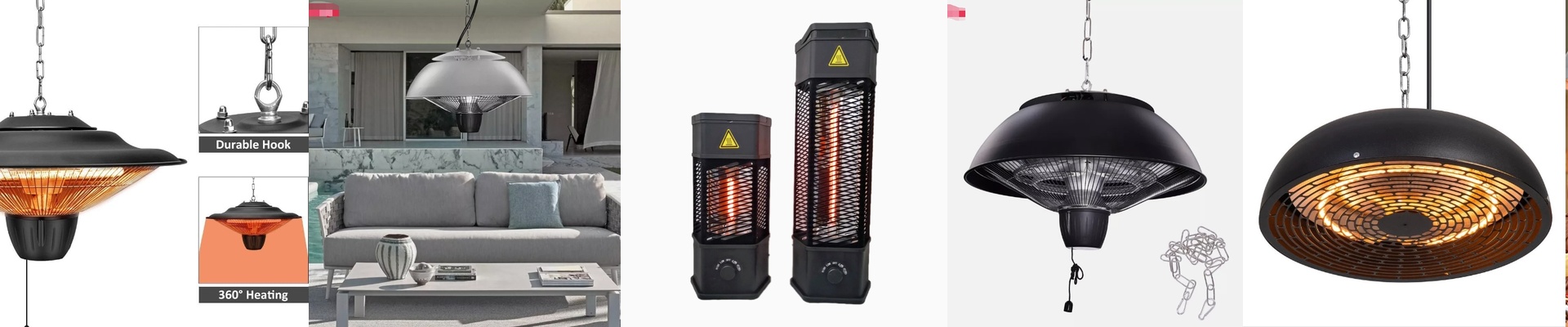
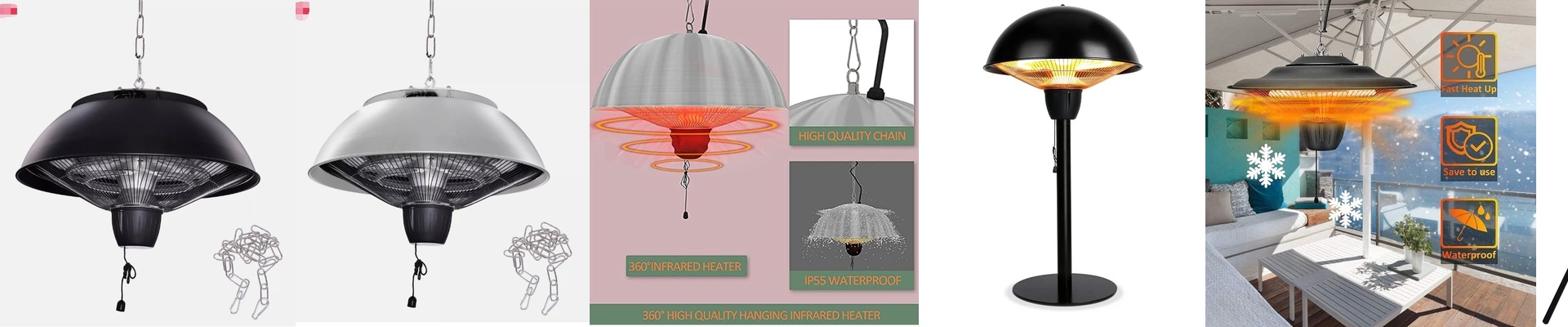
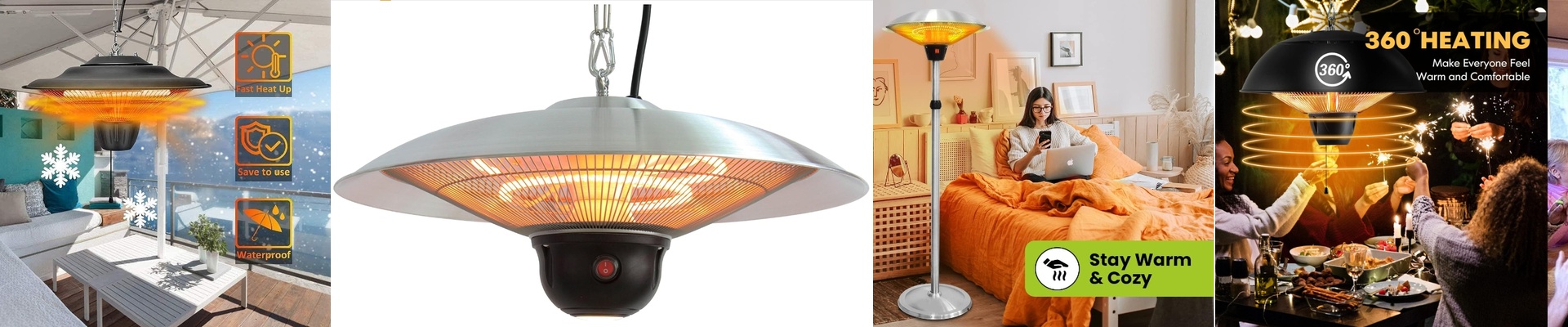
Infrared electric heaters deliver warmth the way the sun does—by radiating heat straight to people and surfaces. Inside, a quartz tube or carbon fiber element heats almost instantly, so you get targeted warmth without having to warm the entire air volume. Many compact units run on 120V AC and pull 800–1500W, a load most inverters can handle without breaking a sweat. You get fast response and predictable performance. A built-in thermostat holds the space at the set point, and tip-over protection shuts the heater off if it gets knocked over.
Why this fits the RV reality
RV life is all about making the most of limited space and limited power. Infrared warmth concentrates comfort where you actually sit, so you can keep the bedroom or dinette cozy without heating the whole rig. Because the heat is directional, you feel it quickly—hands and feet warm up sooner, and the air feels less drafty. That matters after a long drive or a chilly hike. On off-grid nights, running a 1200W infrared heater for an hour can deliver more perceived warmth than running a larger convection heater on a higher setting, which helps you stretch battery capacity further.
The practical details
Infrared heaters warm objects and people directly, so the surrounding air can still feel cool. For best results, point the unit to shine on seating areas and keep it a safe distance from curtains or bedding. Make sure your inverter and wiring can handle the continuous load, and always choose a model rated for indoor use with proper safety certifications.