Stopping the Dust: A Better Way to Heat Your Biosensors
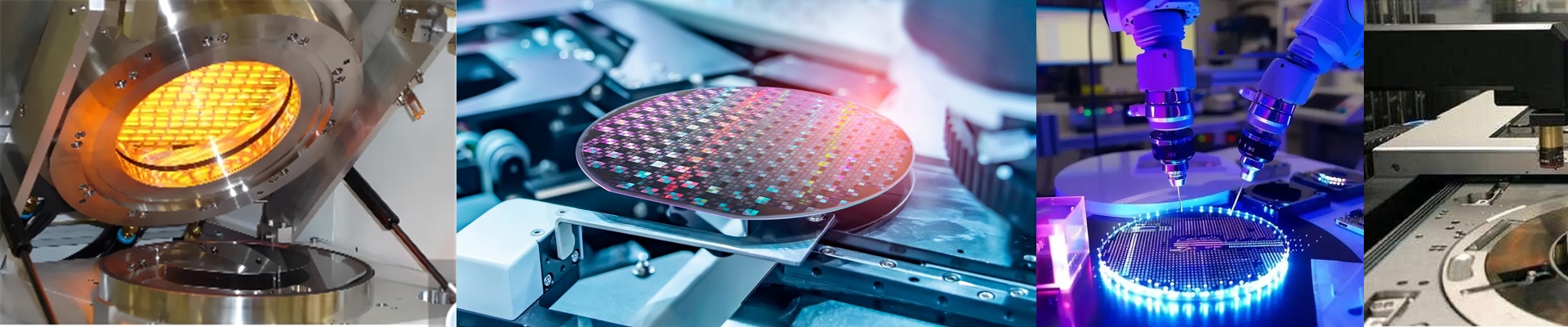
If you’ve ever spent time in a Class 100 cleanroom, you know the drill. You’re fighting a constant war against tiny bits of dust and debris. One microscopic speck in the wrong place and your entire yield goes down the drain. The real headache? Your heating elements. Most standard lamps actually “off-gas” or shed little flakes of material as they heat up. It’s a nightmare for anyone trying to build a precise biosensor. We decided to fix this by switching to high-purity synthetic quartz for our IR lamps. Why the quartz matters We use fused silica with almost zero impurities. Why? Because when the lamp heats up and expands, it doesn’t shed particles. Standard glass just can’t keep up. It cracks or leaks chemicals when you cycle the temperature quickly. With this quartz, the heating zone stays clean and inert. If you’re working on sensitive bio-interfaces, the last thing you want is random metallic oxides or carbon bits drifting onto your substrate. Getting the heat where it belongs These lamps use short-wave IR radiation. Instead of just warming up the air around the sensor, the energy hits the material surface fast. We designed them for high power density to keep your process window tight. You get a quick ramp-up to temperature, which means your biosensor spends way less time sitting around exposed to potential contaminants. It’s fast. Really fast. And that makes a huge difference for your workflow. A few things to keep in mind Here’s the catch: high-purity quartz is brittle. You can’t just toss these around or manhandle them during install. We suggest using vibration-dampening mounts so you don’t end up with stress fractures. Plus, these things put out a lot of concentrated heat. Make sure your HVAC and cooling systems are up to the task. If your cooling slips, the ambient temperature will spike and mess with your cleanroom’s laminar flow. Getting started We built these to be simple drop-in replacements for your current IR arrays. Just double-check that your voltage and wattage match our spec sheets. Wire them up, tweak your PID controller, and you’ve got a heating source that won’t ruin your samples.