Stop the Bathroom Mold Struggle
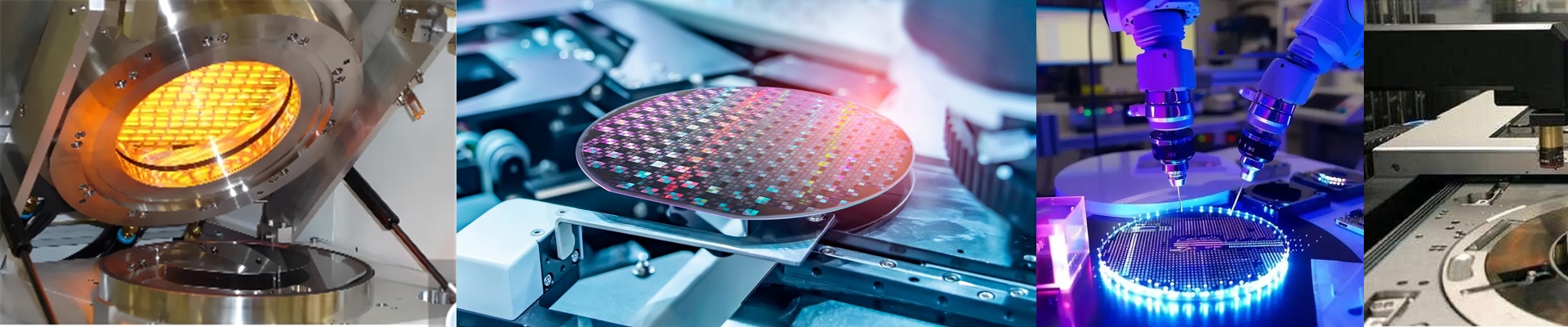
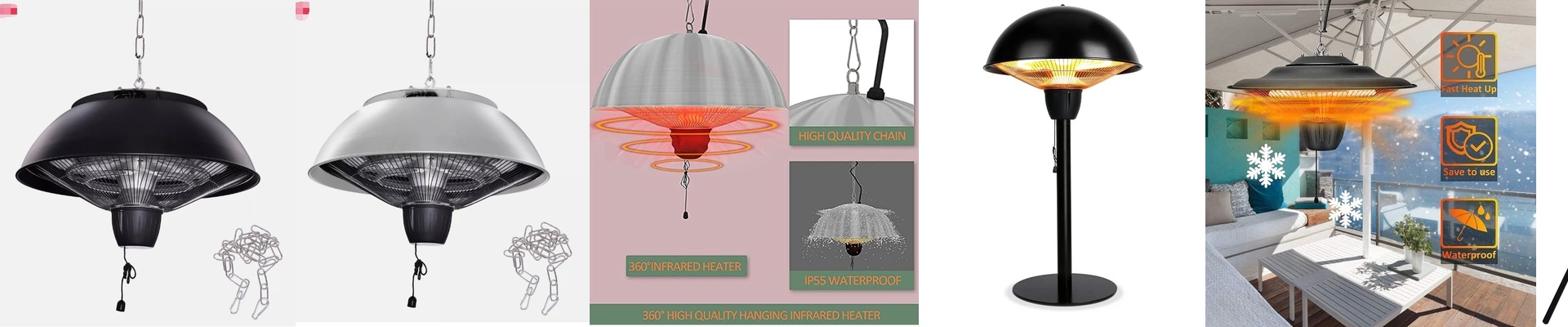
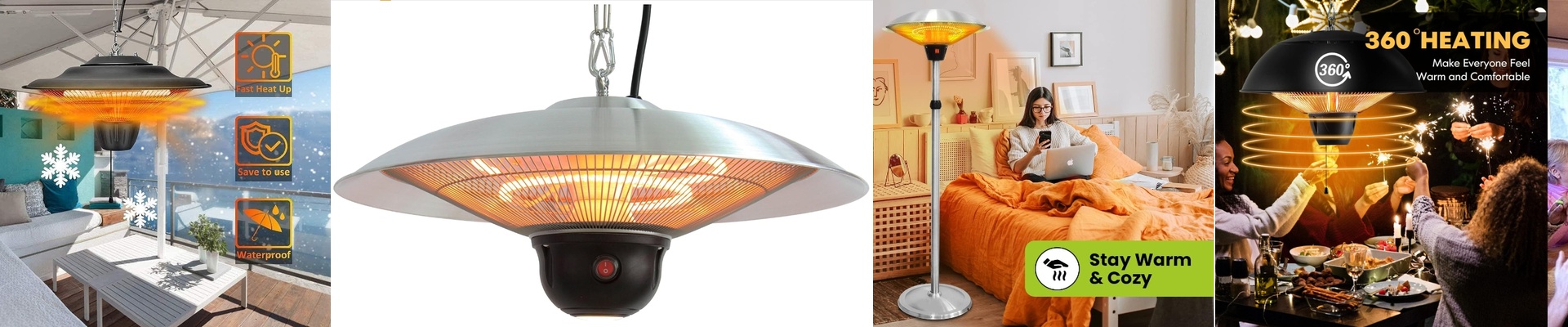
Most people think bathroom heat lamps are just for keeping your toes warm on a cold Tuesday morning. But there’s a much cooler reason to use them: they’re basically an insurance policy against mold. Instead of just warming up the air, these lamps use short-wave infrared light. Think of it as a targeted strike on water. The light hits the water molecules sitting on your walls and ceiling and forces them to evaporate way faster than they would on their own. It keeps the “wet zones” dry long after you’ve stepped out of the shower and headed to work. How it actually works Mold loves a damp, stagnant corner where the walls stay cold. These lamps don’t bother heating the air—they go straight for the surfaces. The radiation sinks into your tiles and grout, pushing the moisture out from the inside and drying things out quickly. To make this happen, we use high-purity quartz glass and halogen filaments. We use quartz because regular glass would just soak up the heat and pop. The quartz lets those specific infrared waves fly through, which is why these things can get so hot so fast. One heads-up: because these bulbs pack a lot of power into a small space, they pull a decent amount of current. Just make sure your wiring can handle the load so you aren’t stressing out your junction boxes. The catch Now, this isn’t a magic wand. Since infrared light travels in a straight line, it can’t “turn corners.” If you have a deep alcove or a weirdly shaped shower, those hidden spots are still going to stay damp. The trick is all in the placement. You’ve got to position the lights so they have a clear line-of-sight to the spots where moisture usually hangs out. If the light can hit it, it can dry it.