Why we’re ditching convection for IR curing
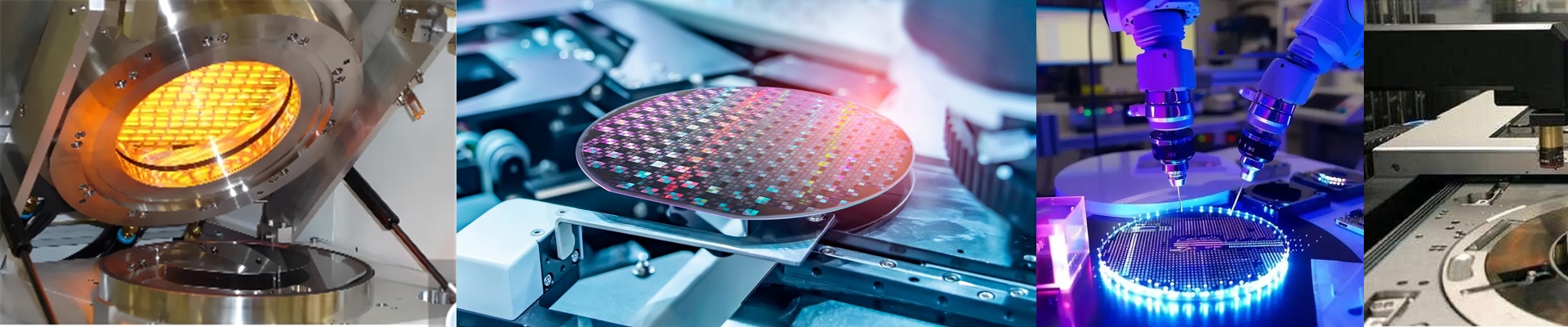
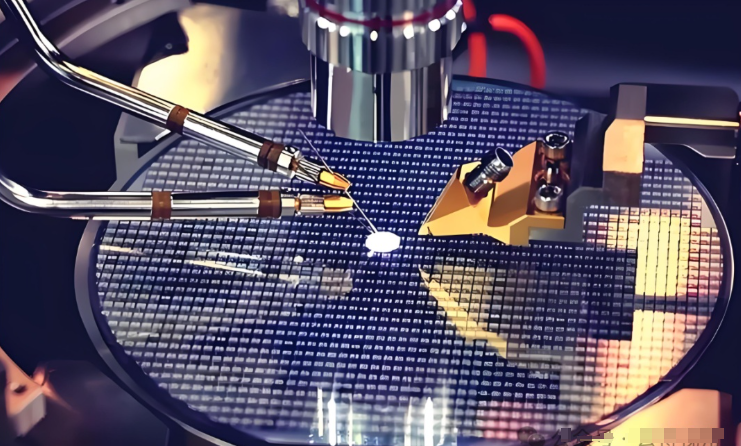
Let’s be honest: convection ovens are a bit old school. For a long time, they were the go-to for drying and curing in semiconductor fab, but things are changing. Most of us are moving toward infrared (IR) technology now. It’s not just about being “green” or hitting those strict lead-free environmental marks—it’s about actually getting better results. The problem with hot air Think about how a traditional oven works. You have to heat up the entire chamber—every cubic inch of air—before the wafer even begins to warm up. It’s a massive waste of power. IR is a different beast. Instead of warming the air, it uses electromagnetic radiation to send energy straight into the substrate. You target the photoresist or solder paste directly. You aren’t wasting kilowatts heating a big metal box; you’re heating the part. Period. The lead-free headache If you’ve moved to lead-free soldering, you know it’s a pain. These alloys need much higher peak temperatures than the old Pb-based stuff. When you use convection, the ramp-up is slow. That slow climb is where the trouble starts—you get component oxidation or, even worse, you burn out sensitive traces. IR lamps fix this because they’re basically instant. You get a steep thermal ramp that hits the liquidus temperature fast, then drops off just as quickly. It stops that “thermal soak” that usually kills delicate semiconductor junctions. It’s precise. It’s clean. The catch (because there’s always one) Sure, your energy bill goes down because you only pull power when the lamp is actually triggered. No more idling a giant heater. But here is the thing: IR is line-of-sight. If your parts have weird vertical shapes or complex geometries, you’re going to deal with shadows. You can’t just rip out a convection oven, slide in an IR lamp, and call it a day. You have to really think about where the lamps go and which wavelength to use. If you don’t get the penetration right, you might scorch the surface while the bottom stays cold. And a quick heads-up: check your cooling system. Since the heat spike is so fast, a weak cooling setup can lead to warped wafers. It’s a powerful tool, but you’ve got to set it up right.