


Stop Guessing Your Heat: A Better Way to Handle Smart Fab Thermals
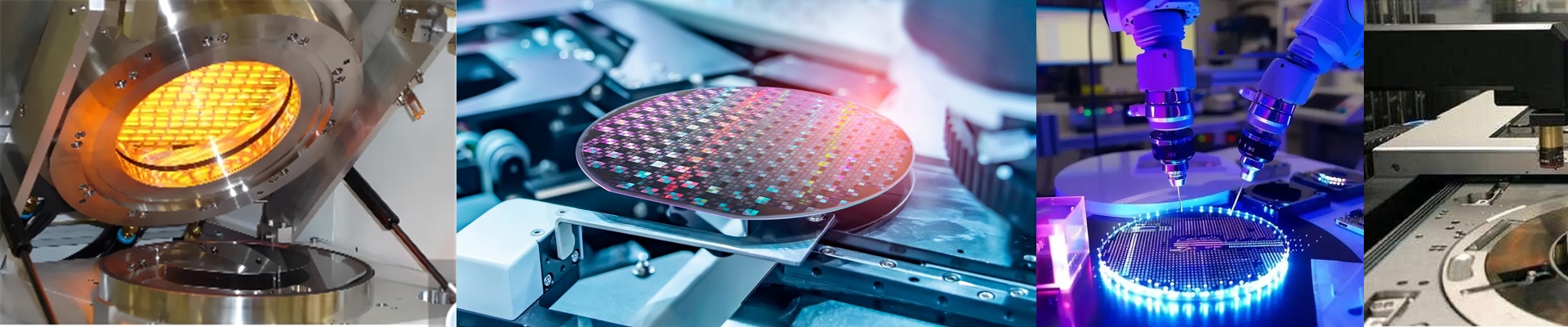
If you’re building out a digitalized Industry 4.0 Fab, you’ve probably realized that old-school convection heating just doesn’t cut it anymore. It’s too slow. It’s messy. That’s why we lean on infrared (IR) systems. The big win here is that the heat source isn’t tied to the air around it. If you want to keep your clean room particles under control but still need your temperatures to spike quickly, this is really the only way to do it.
Getting the Data You Actually Need
Smart Fabs live and die by real-time data. We love IR heaters because they don’t mess around—they react the second your PLC tells them to. Think about oil-based or forced-air systems. They take forever to warm up or cool down. IR lamps don’t have that lag. You can tweak the power via PID controllers and hit your exact temperature in seconds. It means your heat cycles finally move at the same speed as your conveyor. No more wasting material while you wait for the oven to “catch up” during startup or shutdown.
Keeping the Clean Room, Clean
Clean rooms are picky. You can’t have off-gassing or random particles floating around. We use quartz-encapsulated elements to keep everything chemically inert. Since the energy moves via electromagnetic radiation, you aren’t blasting massive volumes of air across the room. That’s huge, because moving air ruins your laminar flow.
The Reality Check: Trade-offs
Now, it’s not all magic. High-density IR arrays put out a ton of heat, which can lead to localized hot spots. You have to be smart about your sensor placement. If you aren’t, you risk scorching your substrate. And if you’re trying to cram maximum wattage into a tiny footprint, you’ll need to beef up your chassis cooling to handle the radiant heat soak. The good news? We design these to be drop-in replacements for those clunky old thermal blocks. You get a smaller footprint and a direct line to your central monitoring system. Your heating stage stops being a “black box” that you just hope is working, and becomes a clear, controllable part of your data stream.