Getting Heat Right in a Class 100 Cleanroom
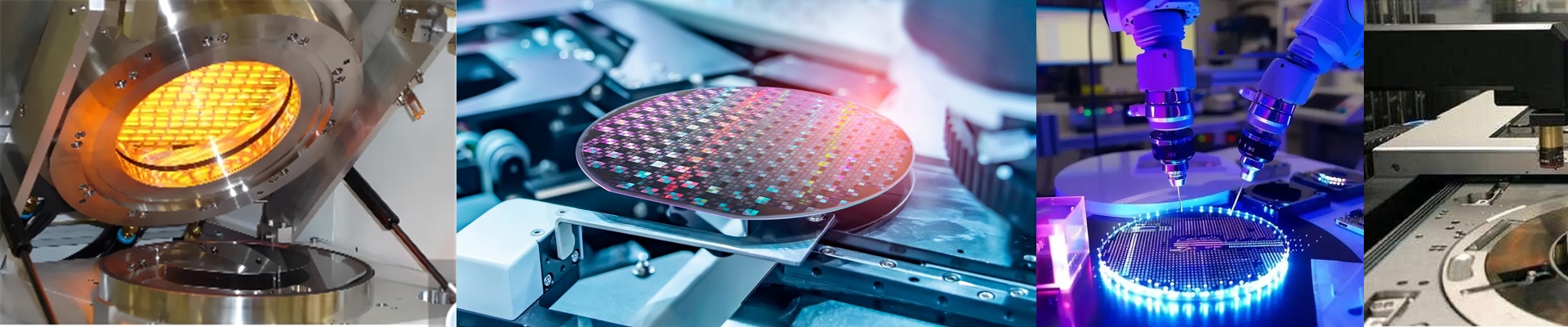
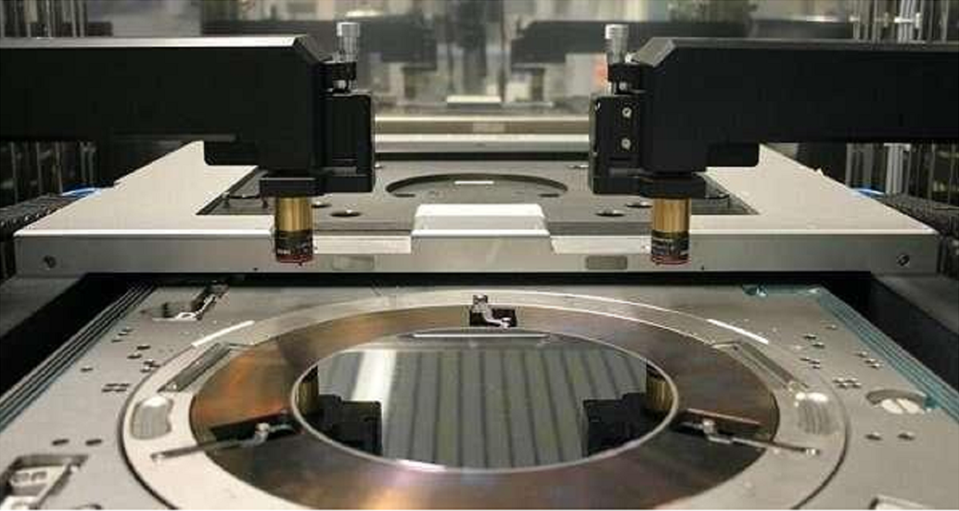
If you’re working in a Class 100 cleanroom, you already know the nightmare. One tiny speck of dust—one little flake of paint or a bit of off-gassing from a cheap seal—and your entire wafer is trash. When it comes to heating, standard IR lamps are usually the culprit. They shed particles. They leak chemicals. They basically breathe “contamination” right onto your substrate. We decided to fix that by switching to high-purity synthetic quartz. Why the fancy quartz? Most lamps use standard quartz, but for biosensors, that’s just not enough. We use fused silica with incredibly low impurity levels. Here’s why that matters: it doesn’t outgas when things get hot. Plus, these lamps run on shortwave infrared (SWIR). Instead of waiting around for the heat to soak in, the energy hits the substrate almost instantly. It’s fast. Really fast. The nitty-gritty of the design We kept the footprint small but the heat density high. But the real secret is in how we put them together. You won’t find any adhesives or volatile sealants here. No glues that melt or gaskets that flake. Everything is either mechanically clamped or fused. If you’ve ever wired a precision rig, you’ll appreciate how clean this feels. A word of warning There is a trade-off. High-purity quartz is a bit more brittle than the doped glass you might be used to. And please, for the love of your yield,do not touch these tubes with your bare hands. The oils from your skin create “hot spots” on the glass. Those spots lead to cracks, and cracks lead to failure. Tell your operators: lint-free gloves and IPA wipes. Every single time. Making biosensors actually work At the end of the day, this is about getting your bio-inks to cure or your substrates to bond without the headache. Since we aren’t relying on convection, we aren’t blowing air around the room. No moving air means no migrating dust. You get a direct line of heat, a stable environment, and—most importantly—a product that actually stays clean.