Getting Bio-Sensor Heating Right with IR
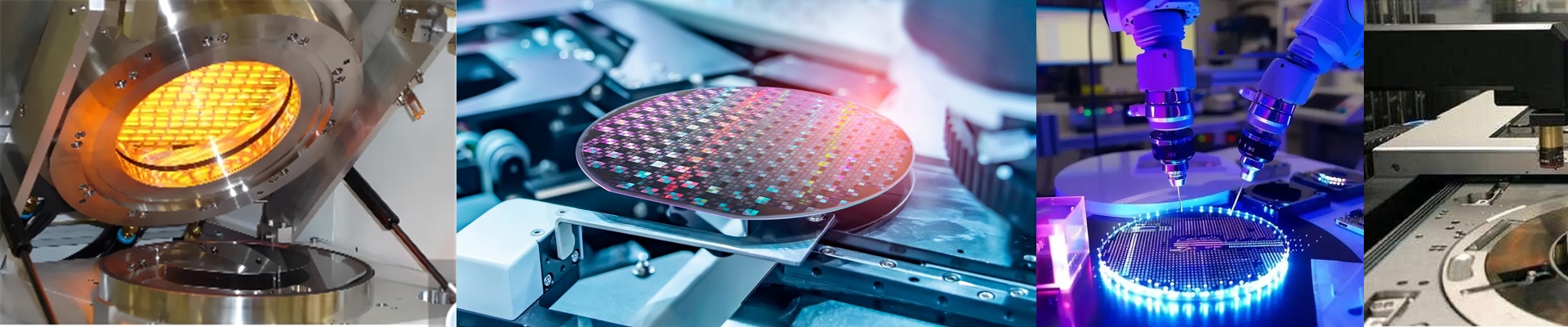
When you’re building bio-sensors, the heat is everything. If your thermal profile is off by a hair, your chemical bonds fail or your substrate warps. It’s a headache. That’s why we’ve stopped using those old-school ovens. They’re too slow. Instead, we use high-density infrared (IR) lamps. They give you localized control and react instantly. No waiting around for a big box to warm up.
Making the Hardware Talk
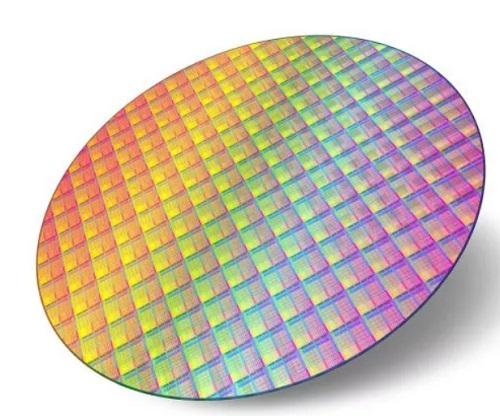
If you’re running a modern fab, your heating system can’t be a black box. It needs to talk to your PLC. We build our IR arrays to work with closed-loop PID controllers. This means you can actually see what’s happening across the wafer in real-time. You get a digital record of exactly how much heat hit the material. Without that, you’re basically guessing, and guessing is how you ruin a whole batch of sensors.
The Nitty-Gritty on Power
We aim for high wattage-per-centimeter. Why? Because we want the heating zone to be as small as possible. By using short-wave IR, the energy goes straight into the material. You aren’t wasting power heating the air around the part. It’s incredibly fast. You can hit curing temperatures in a few seconds. **One heads-up though:**this puts a massive load on your power phase. If you’re pushing 2kW or more per lamp, double-check your wiring and breakers. You don’t want your system tripping the moment you flip the switch.
Real-World Setup
In a smart fab, you have to think about the “what ifs.” Like, what happens when a lamp burns out? We use standardized connectors so replacing a tube takes about five minutes. It keeps the line moving. But here’s the catch: this speed leaves you with a very thin margin for error. If your conveyor belt drifts by even 1%, your sensors might fry. You have to keep your belt drive and your IR power perfectly in sync to get the thermal dose exactly right.