Heating Your Bio-Sensors Without Blowing Things Up
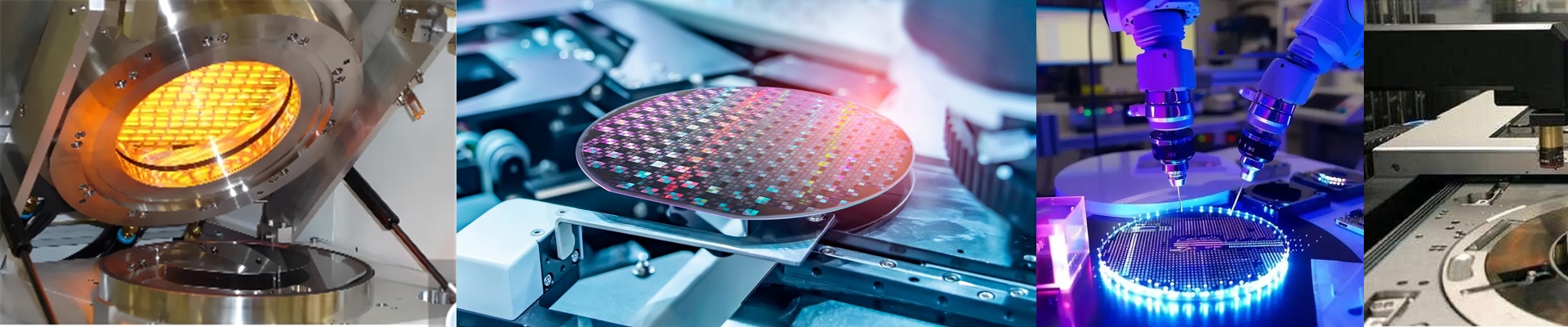
When you’re fabricating bio-sensors, you usually hit a point where you need to cure or dry things out. The problem? You’re often doing this while surrounded by flammable cleaning agents. In a setup like that, a standard IR lamp isn’t just a tool—it’s a liability. We’ve spent a lot of time figuring out how to build IR heating systems that won’t trigger a disaster. Keeping the bad stuff out If you’re working in an explosive atmosphere, an electrical arc or one hot spot is all it takes to start a reaction you really don’t want. To stop that, we wrap the quartz envelope in a specialized, heat-resistant sleeve. Think of it as a suit of armor. It stops corrosive vapors from eating through the electrodes and keeps the lamp safe. We also use high-grade gaskets at every entry point. It’s a simple fix, but it keeps the inside of the lamp completely isolated from the volatile chemicals swirling around it. Getting the temperature just right Nobody wants to fry their sensor substrate. That’s why we obsess over the heat density of the filament. By dialing in the wattage and voltage, we make sure the surface temperature stays in a safe window. But here’s the thing: your cooling system has to keep up. If your airflow is too weak, heat builds up inside the enclosure. Over time, that heat will chew through your sealing materials, and then you’re back to square one. Making it actually work in your lab We designed these lamps to be drop-in replacements. You shouldn’t have to rebuild your entire fabrication line just to upgrade your heating. We use reinforced wiring and connectors that are built for explosion-proof environments. They don’t rattle loose under vibration, and they don’t degrade when exposed to chemicals. It means your lamps actually last, rather than burning out because a little bit of chemistry leaked in. Plus, we kept the footprint tight. You get a massive heating zone without turning your machine into a giant risk zone.