

Getting Your Wafer Heat Right: Why Gold Matters
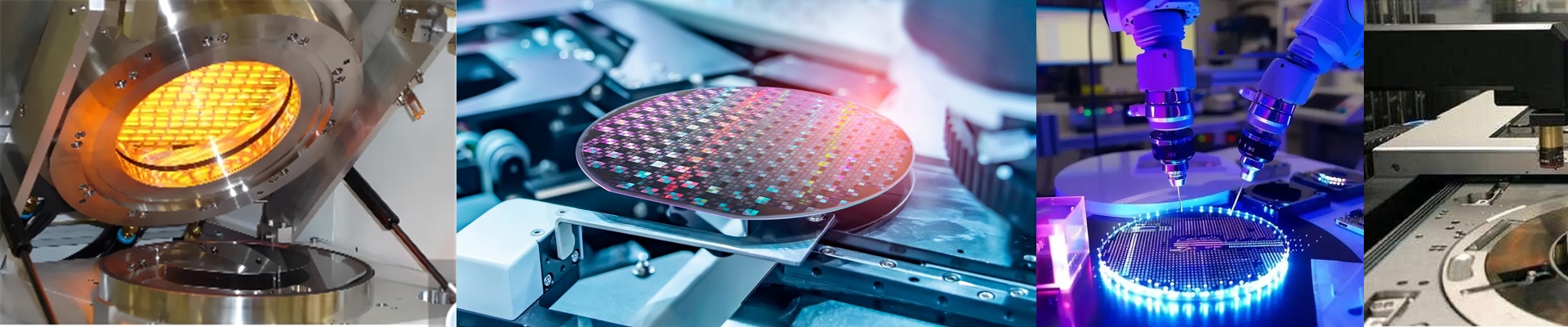
If you’ve ever dealt with uneven heating across a wafer, you know the headache. One side is perfect, the other is off, and suddenly you’ve got a batch of bio-sensors with inconsistent sensitivity. It’s a waste of time and a lot of wasted money. We figured out a way to fix this. We pair high-intensity IR lamps with gold-coated reflectors. The idea is pretty simple: stop letting your energy bleed out and force that heat exactly where it needs to go. Why gold? Most people use aluminum reflectors, but they soak up too much energy. Gold is different. It’s incredibly reflective in the infrared spectrum, meaning it bounces the heat back toward the wafer instead of letting it disappear into the lamp housing. It gives you a much tighter focus. You can hit your target temperature way faster, and you don’t have to crank the voltage so high that you fry your filaments. It’s just more efficient. The tricky part: Heat Density Here is the thing: when you focus radiation this tightly, you have to be careful. If your lamp-to-wafer distance is off, you’ll end up with intense hot spots. You’ve got to get your Z-axis calibration spot on. If the lamp is too close, you’ll warp the substrate. Too far? You lose all the benefits of the gold coating to the air. It’s a balancing act. Keeping it running We designed these to be drop-in replacements for your current IR arrays, so you don’t have to rebuild your whole setup. We also shielded the lamp ends to keep the connectors from getting stressed by the heat. One heads-up, though: gold is a bit picky. If you’re working with corrosive gases, make sure your housing is sealed tight. Otherwise, the gold layer will pit, and your thermal uniformity will start to drift. And for heaven’s sake, keep them clean. A tiny layer of dust can kill your radiant output by 10-15%. A quick wipe saves you a lot of trouble.