

Cutting Carbon in the Fab with Gold-Coated IR Heating
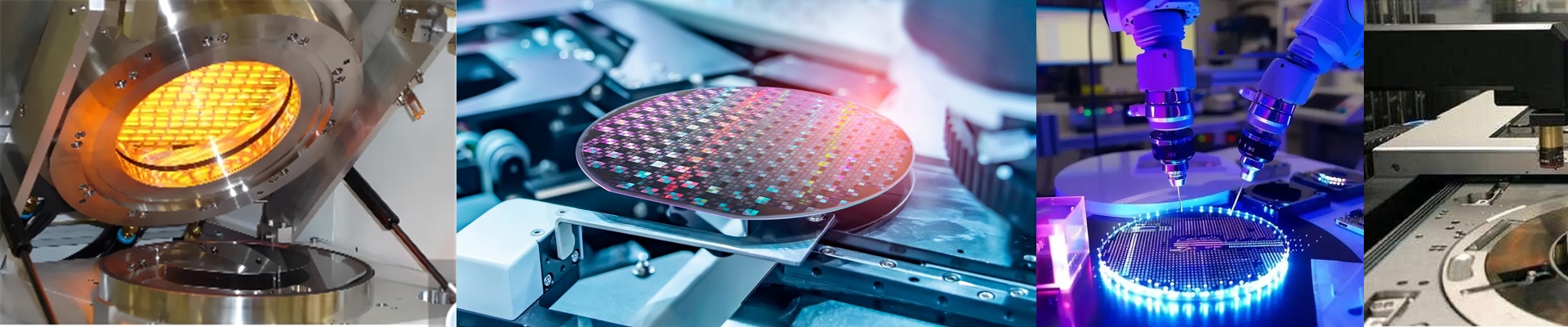
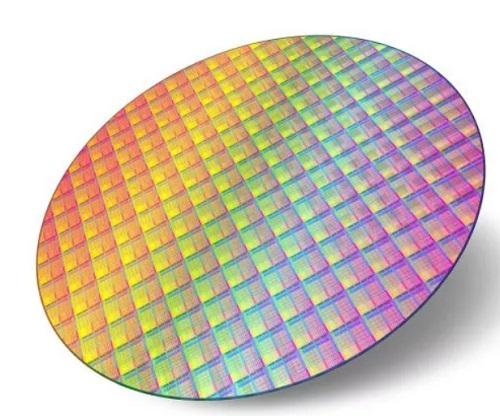
Getting the thermal profile exactly right in semiconductor fab is a headache. Most of us have dealt with those old-school convection ovens that just bleed heat everywhere. It’s wasteful. That’s why we’ve been leaning into gold-coated infrared (IR) lamps. The secret is in the coating. See, a standard quartz lamp just throws a broad spectrum of heat everywhere. But when you add a thin layer of gold to that quartz, everything changes. The gold acts like a filter. It bounces the longer wavelengths back into the filament and pushes the shortwave IR energy straight at the wafer. Basically, you’re focusing the heat where it actually belongs—on the substrate—instead of heating up the entire tool chassis for no reason. It’s fast. Really fast. Because these lamps hit such high power densities, the ramp-up time is nearly instant. When you cut down the cycle time per wafer, your kilowatt-hours drop right along with it. But, there are a few things you have to watch out for. First, don’t skimp on your power supplies. These shortwave tubes pull a lot of current. If your wiring can’t handle the peak load, you’ll get voltage drops, and suddenly your temperature uniformity is all over the place. And for the love of everything,**keep them clean.**A single fingerprint or a tiny smudge of oil on the quartz creates a hot spot. That’s a one-way ticket to a burnt-out tube. Making the “Green Factory” thing actually work. We talk a lot about decarbonization, but in a fab, it usually comes down to the heating stage. Replacing those clunky resistive heaters with targeted IR systems is one of the easiest wins. Instead of heating a massive volume of air in a chamber, you’re using radiation. It’s a simple swap for most legacy curing and baking steps. Sure, your cooling system still has to work to manage that concentrated heat, but the total energy your facility pulls from the grid? That’s where you see the real win.