


Keeping Your Class 100 Cleanroom Actually Clean
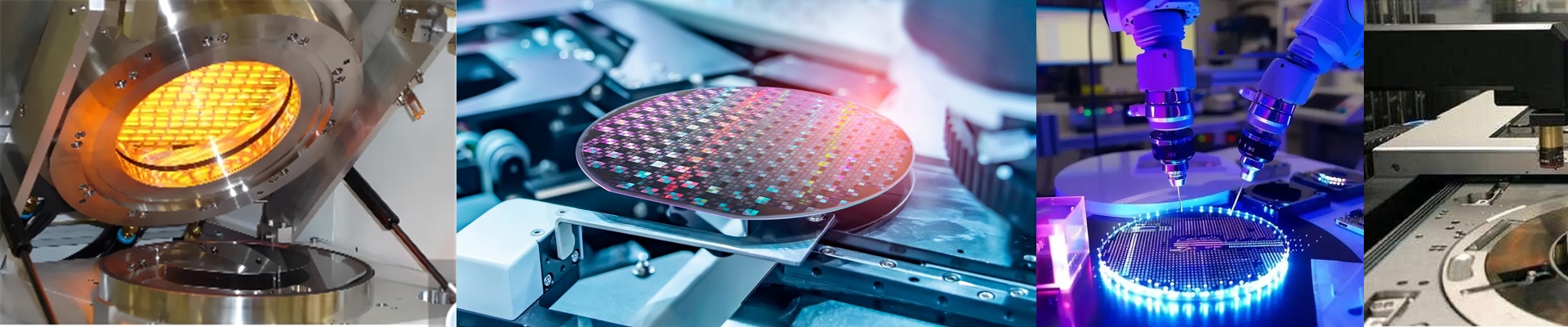
If you’re running a Class 100 cleanroom, you already know that air filters are only half the battle. The real headache? The heat source. Most standard heaters are a nightmare in these environments. Once they hit peak temperature, they start flaking or off-gassing volatile organic compounds (VOCs). It’s basically like putting a dusty old radiator in a sterile lab. Not great. To fix this, we lean on two things: high-purity synthetic quartz and carbon fiber. The deal with the quartz We wrap our carbon fiber elements in a specialized high-purity quartz envelope. Regular glass just can’t handle the heat; it breaks down and sheds tiny particles over time. This quartz doesn’t. But here’s the tricky part: the seal where the quartz meets the electrodes. That’s usually where things go wrong and contaminants leak out. We use a vacuum-tight sealing process so you don’t have to worry about internal lubricants or random impurities drifting into your production line. Why carbon fiber beats metal You’ve probably seen metal coils “burn out” or oxidize. When that happens, they release metallic dust into the air. Carbon fiber is different. It stays stable and puts out a long-wave infrared emission. It sinks right into the target material without messing with the surrounding air. It just keeps everything steady. A few things to watch out for When you first wire these lamps in, you’ll notice they ramp up way faster than those old ceramic heaters. It’s a huge time-saver, but there’s a catch. Because carbon fiber is so thermally dense, you have to be smart about your mounting brackets. If they aren’t rated for that kind of heat flux, you’re looking at warped frames or—even worse—mechanical flakes falling right into your clean zone. A couple of pro tips for the setup: Use a slow-start power controller. If you hit the quartz with a sudden spike in voltage, you risk micro-fractures. It’s tough, but it’s still brittle. And for heaven’s sake,wear gloves. The oils from your skin can create hot spots on the tube, which is a fast track to a premature failure.