


Stop Wasting Heat: Why Gold Reflectors Actually Matter
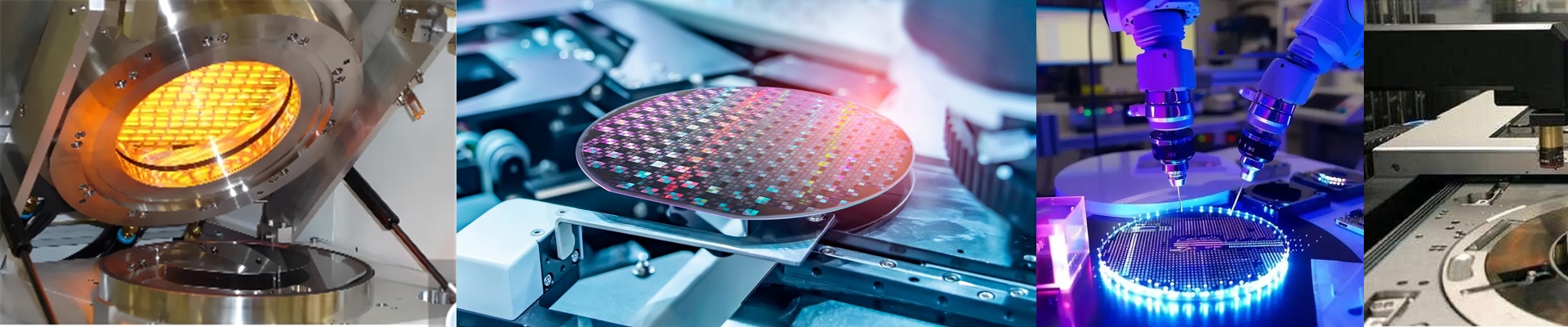
In semiconductor processing, every watt you waste is basically just money disappearing into thin air. Most people stick with standard aluminum reflectors. They’re fine, but they have a habit of letting too much infrared (IR) energy slip through the cracks. You end up with “cold spots” on your wafer and a power bill that doesn’t make sense. We found a better way. We use gold coatings to catch that escaping energy and shove it right back where it belongs.
Why gold? (It’s not just for looks)
Aluminum is the old reliable, but it struggles with long-wave IR. Gold is different. It’s incredibly efficient at bouncing photons back toward your target. Think of it this way: when you switch to gold, you’re making sure almost every bit of power you pull from the wall actually hits the wafer. You get a much tighter focus and heat that spreads evenly, rather than in random patches.
Getting the focus right
The coating is only half the battle. The shape matters too. By combining that gold layer with a precise parabolic or elliptical curve, we can concentrate the heat exactly where you need it. This means your wafers hit processing temperature way faster. But a word of caution here. Because these reflectors are so good at their job, they push a lot more energy toward the workpiece. This can make your surrounding housing heat up faster than you’re used to. If your chassis isn’t built to handle that extra thermal load, you might see your mounts start to warp. Just something to keep an eye on.
Making it work in your shop
The best part? You don’t have to rebuild your entire line. These are designed to be drop-in replacements for your existing IR lamp housings. We spent a lot of time focusing on the “emissivity gap.” By stopping the reflector itself from absorbing heat, we keep the hardware from acting like a giant heat sink. Instead of wasting energy heating up the frame of your machine, that heat goes into the wafer. It’s a simple way to get more throughput without having to rip out your electrical infrastructure and start over.