
Cutting Carbon in the Fab: Why Ozone-Free IR Just Makes Sense
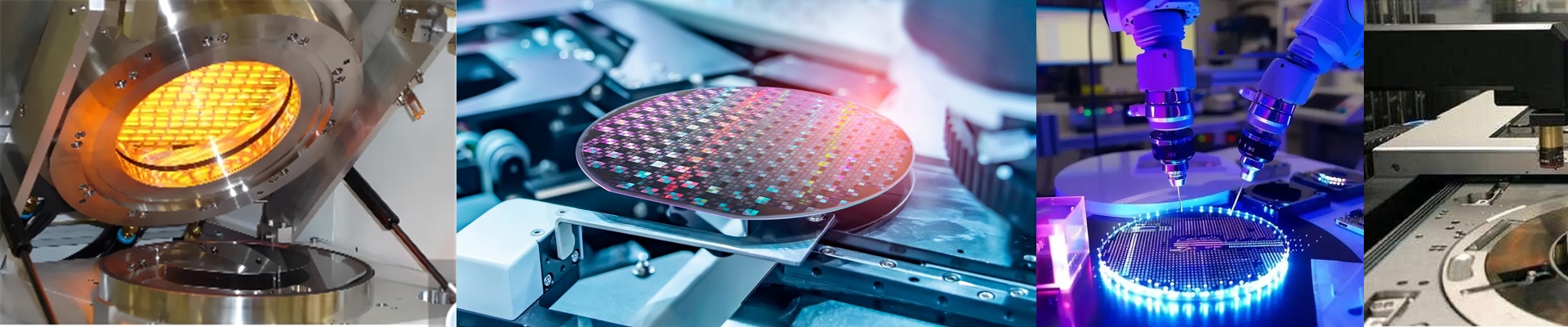
Making semiconductors is all about heat. You need it, you need it precise, and you need it fast. But for a long time, the way we’ve done this has been… well, messy. Most heating setups rely on heavy convection or lamps that pump out ozone. That sounds fine until you realize ozone is a nightmare to manage. You end up spending a ton of money and energy on scrubbing systems and massive ventilation just to keep the air safe. It’s a lot of extra gear just to fix a problem the lamps created in the first place. Here is the trick. Standard shortwave IR lamps hit that 185nm to 254nm range. That specific wavelength splits oxygen molecules and creates ozone. To stop that, we use quartz envelopes with special doped coatings. Think of it like a filter. It blocks the “bad” UV wavelengths that create ozone but lets the heat through. Once you get rid of the ozone, you can toss the high-energy exhaust systems and those clunky ozone destruct units. Suddenly, your kilowatt-hour consumption per wafer drops. It’s a win for the planet, but it’s also a win for the electricity bill. But it’s not magic—there’s a catch. These lamps are incredibly dense. They put the heat exactly where it needs to be—on the substrate—rather than wasting it by heating up the entire machine chassis. It’s fast. Really fast. But because you’re pushing so much power through a small tube, the lamp head gets hot. Like, really hot. If you don’t get your cooling manifolds right, you’re asking for trouble. Low airflow equals burnt-out filaments. It’s a simple trade-off: you get extreme efficiency, but you have to make sure your cooling can keep up. Making the switch The best part? For most legacy systems, this is basically a drop-in replacement. You don’t have to rebuild your entire line. You just stop dealing with chemical scrubbing. When people talk about “Green Factories,” they often make it sound complicated. But this is just common sense. Fewer peripherals mean less power. Less power means a smaller footprint. It’s a simple bit of math that actually works in the real world.