
Introduction
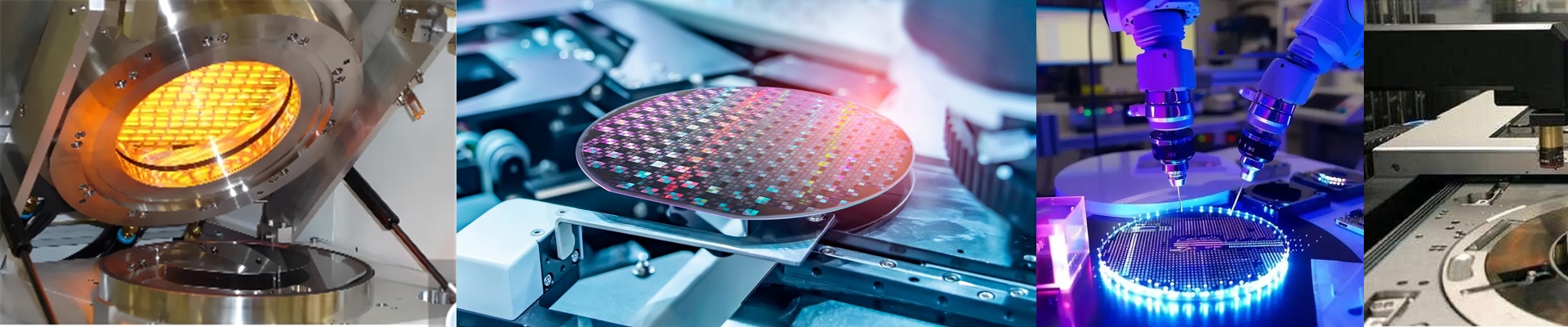
Let’s get real about what happens on a high-load wafer curing line. A lamp failure is one thing. It’s the mess that comes after that really kills your yield. We built our reflector-integrated infrared lamp for the production floor, where cleanliness and uptime are everything. The whole point? To stop lamps from rupturing and taking an entire run down with them.
Power, Voltage, and Geometry—The Real-World Details
We designed this lamp to deliver heat that’s consistent, repeatable, and fits into a tight space. It runs on 400V, which keeps the arc stable even when you’re pushing it hard. That means fewer current surges that beat up the filament and the end-seals. The 300mm tube length is a deliberate choice, too. It lines up perfectly with standard curing chambers, so the reflector can focus the heat right where it needs to be—without spilling over. At 2500W, it delivers the heat density you need for fast polymer curing. But heads up—this is a serious powerhouse. Plan your cooling and thermal isolation accordingly. This isn’t just a bulb. It’s a high-power component.
The Materials and Design That Make It Work
Halogen technology keeps the filament stable by recycling tungsten inside the envelope. That means longer life and far fewer surprise burnouts. The quartz envelope handles rapid heating and cooling without cracking. The reflector coating is tuned to stay highly reflective at infrared wavelengths, and it’s chemically inert, so it won’t mess with your process. We use a shortwave infrared profile that targets the absorption bands of common photoresists. The result? You get faster curing without overheating the substrate. And the R7s connector? It gives you a solid, two-point contact that holds alignment and keeps electrical resistance steady. Less arcing. Fewer hot spots at the ends.
What This Means When the Pressure Is On
In continuous production, stress on the lamp builds up fast. Our reflector-integrated design keeps the energy contained, shields the chamber from the direct arc, and lowers the chance of the envelope failing. And if a lamp does fail, the geometry of the reflector and fixture helps trap the debris. It stops particulates from falling directly onto the wafer. The payoff? Fewer surprise shutdowns. Preventative maintenance that’s actually easy. And a curing process that stays clean—even when you’re running 24/7.