
Stop Trying to Heat the Air
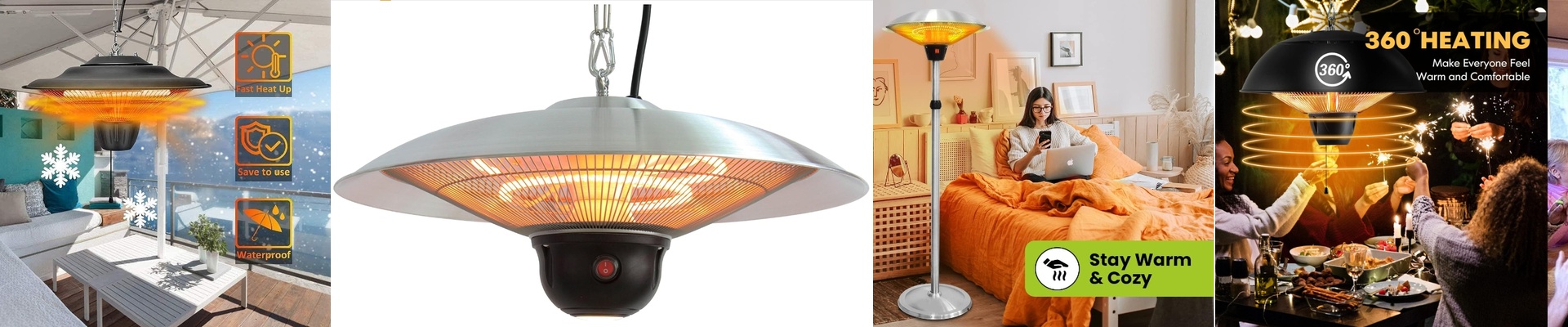
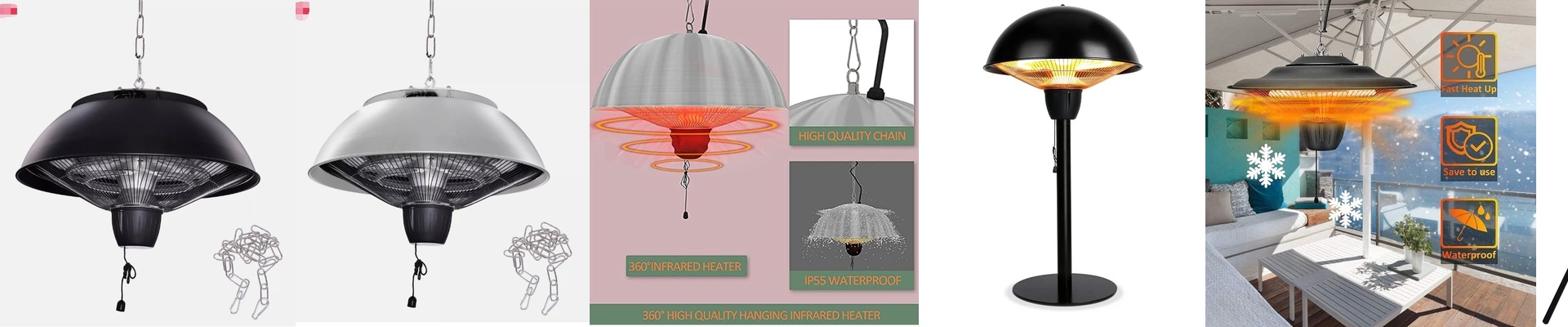
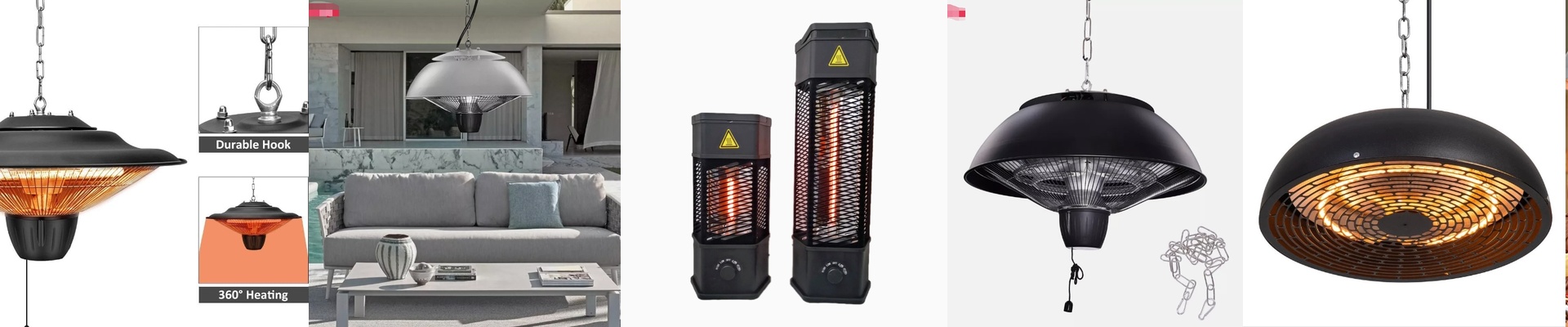
If you’ve ever tried to warm up a drafty changing room or a loading bay that’s basically open to the elements, you know the struggle. Trying to heat the air in those places is like trying to fill a bucket with a hole in the bottom. It’s a total waste of money. That’s why we stick with ceiling-mounted infrared (IR) heaters. Instead of fighting the wind, these things send heat straight to the person or the object below. It’s like standing in a patch of sunlight on a cold winter day. You feel it instantly. No waiting around for the room to “warm up.” Why it actually works We usually go with shortwave IR technology. Most systems take forever to get going, but these kick in within seconds. It’s perfect for spots where people are only hanging out for a few minutes. The heat cuts right through your clothes and hits your skin, giving you that immediate “ah, finally” feeling, even if the door is wide open and the freezing air is rushing in. The setup part We mount these on the ceiling to get the widest “cone” of heat possible. Most of our industrial gear uses quartz tubes because they can handle the heat without warping or breaking. But there’s a trick to it. If the ceiling is high, we have to use a more concentrated beam. Otherwise, the heat just vanishes into the rafters before it ever reaches the people on the floor. It’s all about matching the wattage to the height. A few things to watch out for Here’s the thing: you can’t just slap these in and forget about them. If you hang a high-wattage heater too low, it’s not cozy—it’s uncomfortable. You’ll end up with a “hot spot” where someone feels a sting on their shoulders while their toes are still freezing. It’s a balancing act. You want a nice, even soak of warmth, not a heat lamp. Plus, don’t leave them running 24/7. Those elements will burn out. We usually wire them into a motion sensor or a timer so they only work when someone is actually standing there. Simple, efficient, and it saves the hardware.