Going Green with IR Curing in Semi Production
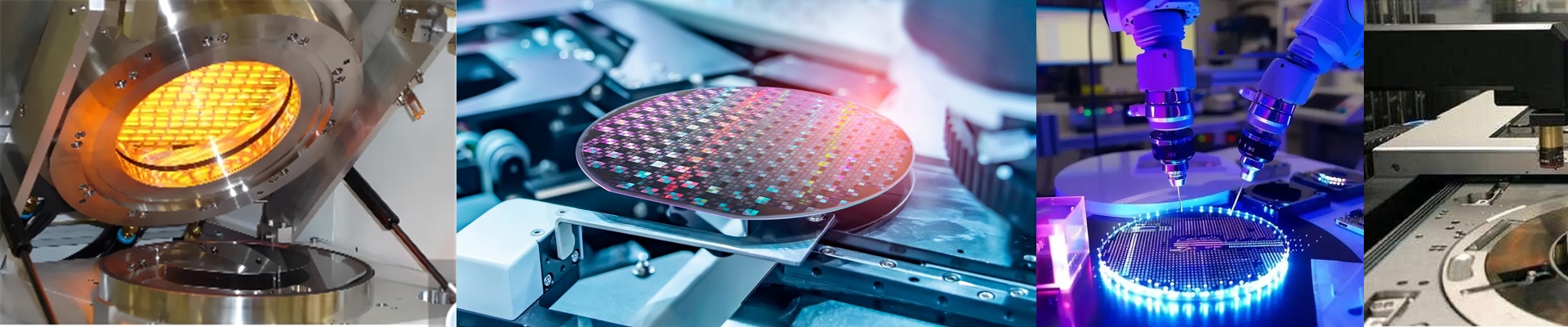
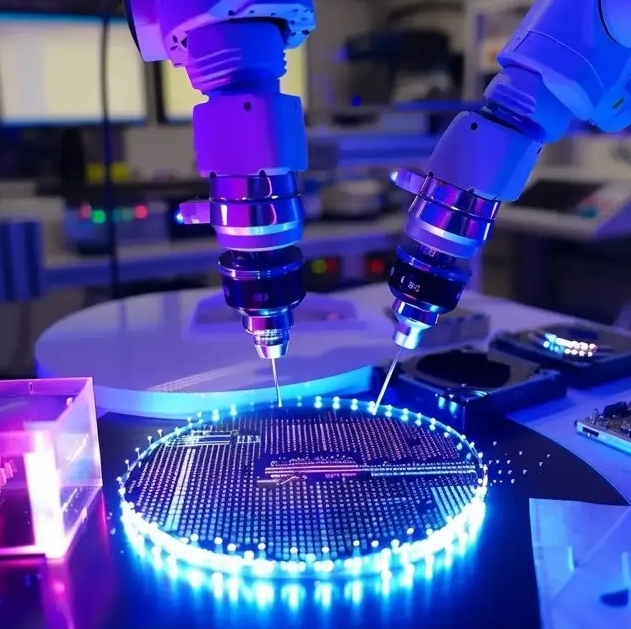
Let’s be honest: traditional convection ovens are basically giant, energy-hungry boxes. In the semiconductor world, we’re all trying to hit those “lead-free” and eco-friendly targets, but heating up massive volumes of air just to dry a wafer is a waste of time and money. That’s why more folks are switching to infrared (IR) curing. Instead of heating the whole room, you just hit the substrate directly.
Why it actually saves energy
Think about a standard drying oven. You’re heating the walls, the air, the leaks in the seals—everything. It’s inefficient. IR is different. It uses electromagnetic radiation to move energy straight into the photoresist or adhesive. We call it “selective heating,” but in plain English, it just means you’re only heating the stuff that actually needs to be hot. The best part? Your ramp-up time goes from hours to seconds. It’s fast. Really fast. And that drops your kilowatt-hour bill per wafer significantly.
Ditching the toxins
Lead-free standards are a pain because the temperature windows are so tight. If you overshoot by a bit, you’ve just ruined your circuitry or created solder voids. With IR, you can pick your wavelength—short, medium, or long—to match exactly what your chemicals need. It gives you a level of control you just can’t get with hot air. When you have that kind of precision, you don’t have to rely on lead-based additives just to keep things stable under heat.
The reality on the shop floor
Now, I’m not saying IR is some magic wand. It has its quirks. First, you’ve got to get your sensors right. If your thermocouples are placed where they would be for a convection oven, you’re going to end up with cold spots. There’s no air moving the heat around, so placement is everything. Then there’s the heat itself. High-density IR lamps put out a ton of energy. If you cheap out on the shielding, you’ll end up cooking your own machine’s electronics. Not a great look. If you want this to actually work without killing your yield, go with closed-loop PID controllers. Keeping your temp within a ±1°C margin makes the whole process a lot less stressful and keeps the regulators happy.