
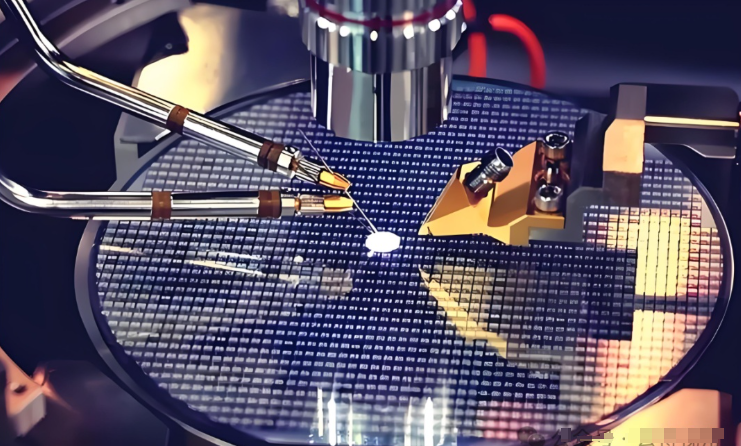
Stop Wasting Time Drying Your MEMS Wafers
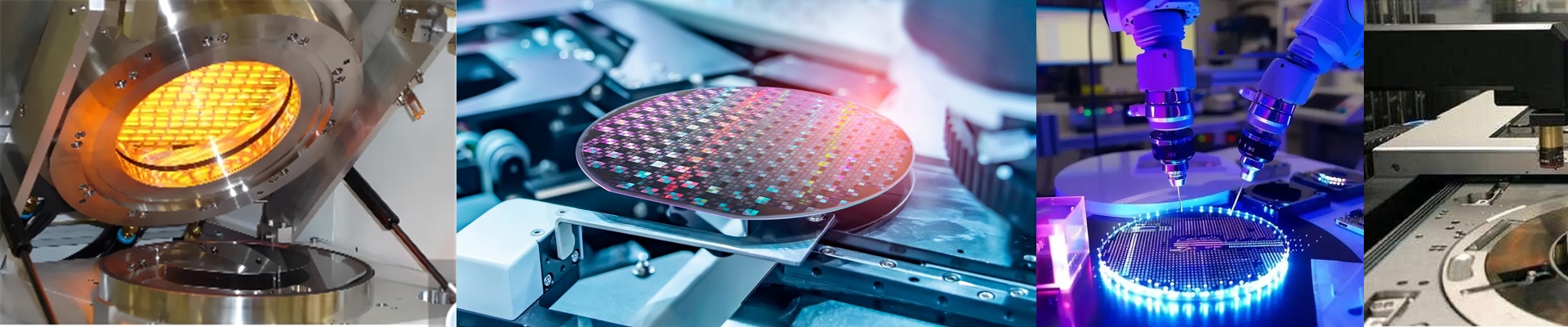
If you’re still using forced hot air to dry your wafers after etching or cleaning, you’re basically waiting around for no reason. I see it in so many shops. Hot air feels safe, but it’s slow. It has to heat up the air first, and then the air has to heat the wafer. It’s a middleman process that just drags out your cycle time. Here’s the thing about Infrared (IR). IR heaters don’t bother with the air. They shoot electromagnetic radiation straight onto the wafer surface. You hit your target temperature in seconds. Not minutes—seconds. When you’re dealing with deep semiconductor processing, those saved minutes add up fast. Your wafers move through the line, and you get your batches done way sooner. It just feels smoother. But look, it’s not as simple as just swapping a bulb. IR is aggressive. It packs a huge punch of heat density. If your PID controllers aren’t tuned perfectly, you’re going to overshoot. You risk stressing the MEMS structures or just plain overheating the whole thing. You need a tight feedback loop, or you’re asking for trouble. Hot air is forgiving. IR doesn’t forgive. Still, if you’re running a high-volume line, IR is the way to go. The stations are smaller than those massive convection ovens, so you get more done without eating up your entire floor. Plus, the consistency is a breath of fresh air. You get a uniform heat flux across the wafer. No more worrying about those annoying water spots or chemical residues that pop up when your air currents are acting weird. If you’re scaling up, this is the setup you want. Just a heads-up: make sure your cooling system can handle the radiant heat bleed. You don’t want the rest of your tools baking while you’re drying your wafers.