


Cutting Carbon in Semi-Fab: Why Vacuum IR is the Way to Go
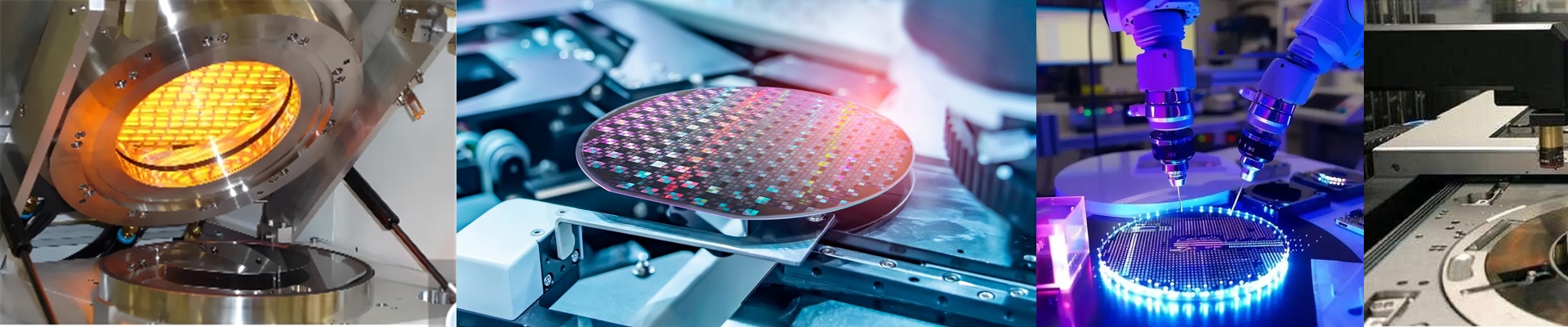
If you’ve spent any time in a cleanroom, you know the drill. You need absolute precision with your heat, but you have to do it in a vacuum so you don’t ruin everything with oxidation or random contaminants. For a long time, we just leaned on traditional resistive furnaces. But here’s the problem: they’re energy hogs. They spend half their time heating up the air and the chamber walls instead of the actual wafer. That’s where vacuum-compatible infrared (IR) heaters come in. Instead of heating the whole room, we just beam the energy straight at the target. The physics is actually pretty simple. In a vacuum, you don’t have convection. There’s no air to move the heat around. Everything relies on radiation. We use short-wave IR lamps because they punch through wafers and substrates way more effectively than the long-wave stuff. When you stop wasting kilowatts on the chamber walls—what we call “parasitic heat”—your carbon footprint actually drops. It’s a win for the planet and a win for your power bill. But you can’t just throw any lamp in there. Standard lamps will fail almost immediately in a vacuum. They “outgas,” which basically means they leak gunk that kills your vacuum seal or, worse, lands right on your wafer. To stop that, we use high-purity quartz and seals specifically made for vacuum work. The filaments are built to handle extreme heat without breaking a sweat or compromising the seal. Just a heads-up: make sure your power supplies match the lamp’s voltage. If they don’t, you’re just asking for a premature burnout. It’s not all magic, though. There are trade-offs. The best part? Speed. IR lets you ramp up and cool down incredibly fast. Your throughput goes way up. But you have to watch the heat density. IR is aggressive. If your lamps aren’t aligned perfectly, you’ll end up with hot spots on your wafer. You’ve got to get your shielding and cooling jackets exactly right. If your cooling is too weak, that radiant heat will bleed back into your electronics and cause a headache you really don’t want. At the end of the day, swapping out those old resistive heaters for targeted IR just makes sense. You use less energy per wafer, and your process stays rock solid. It’s a straightforward way to make the factory greener without breaking your workflow.