

Stop Wasting Time: Why Vacuum IR Heating Actually Works
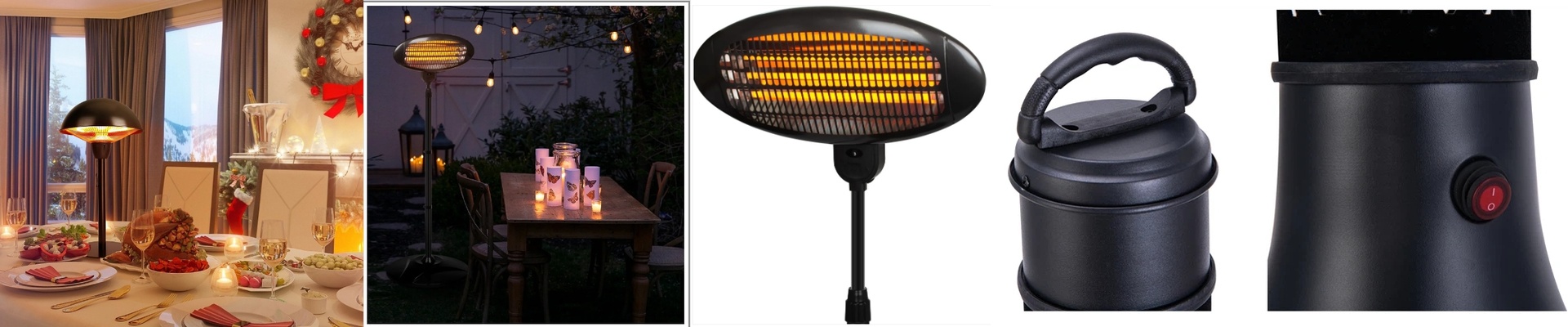
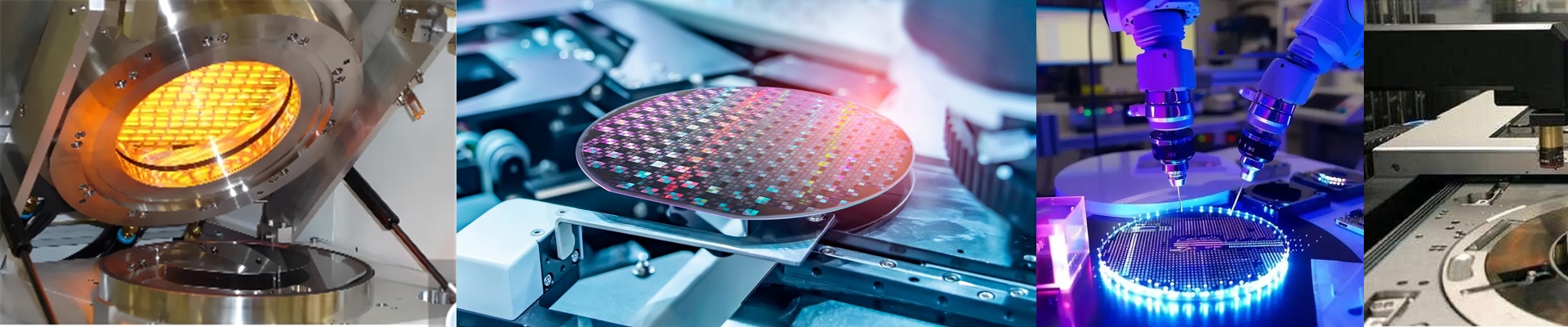
If you’ve spent any time in semiconductor processing, you know the frustration of waiting for a wafer to hit the right temperature. For a long time, we just pumped hot air around the chamber. It worked, sure, but it was slow. And honestly? It was never perfectly even. That’s why switching to vacuum infrared (IR) heaters is such a relief. Instead of relying on air to carry the heat, IR uses radiant energy. It hits the substrate directly. **Think of it like the sun.**You don’t feel the air around you get hot before you feel the sun on your skin—you just feel the heat instantly. In a vacuum chamber, IR lamps do the same thing. Since they don’t need air to move the energy, you aren’t wasting time heating up the entire room just to warm up one piece of silicon. You hit your target temperature in seconds. No more staring at a timer waiting for the “ramp-up” to finish. You just get a tight, consistent thermal profile and get on with your day. But here’s the tricky part: working in a vacuum changes the rules for your hardware. Without air to whisk heat away from the lamp housing, things can get dangerously hot. We have to be smart about it. We use specialized quartz envelopes and high-watt-density filaments to make sure the heat actually goes into the workpiece and doesn’t just bake the chamber walls. And please, keep a close eye on your cooling loops. IR lamps pack a massive amount of energy into a tiny space. If your water-cooling jackets aren’t spec’d correctly, your seals are going to fry. It’s a headache you definitely want to avoid. At the end of the day, this is all about throughput. When you cut down those heating and cooling cycles, your “time cost” per batch plummets. For a lot of old-school lines, you can just swap out the thermal stage and start seeing results immediately. Just a heads-up: you can’t just slap these in and walk away. Precision is everything here. If your lamp is off by a few millimeters, you’ll get hot spots and your uniformity goes out the window. Get the focal distance and alignment dialed in, and you’ll see your hourly output jump. It’s a bit of work upfront, but it’s worth it.