
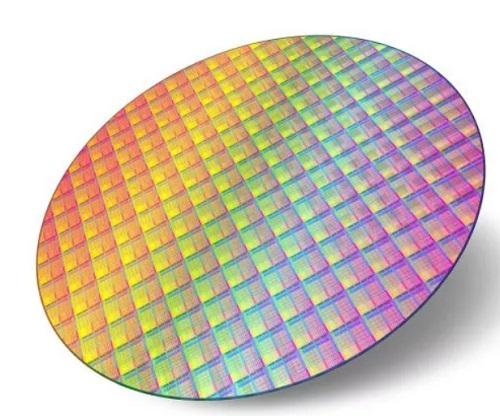
Introduction
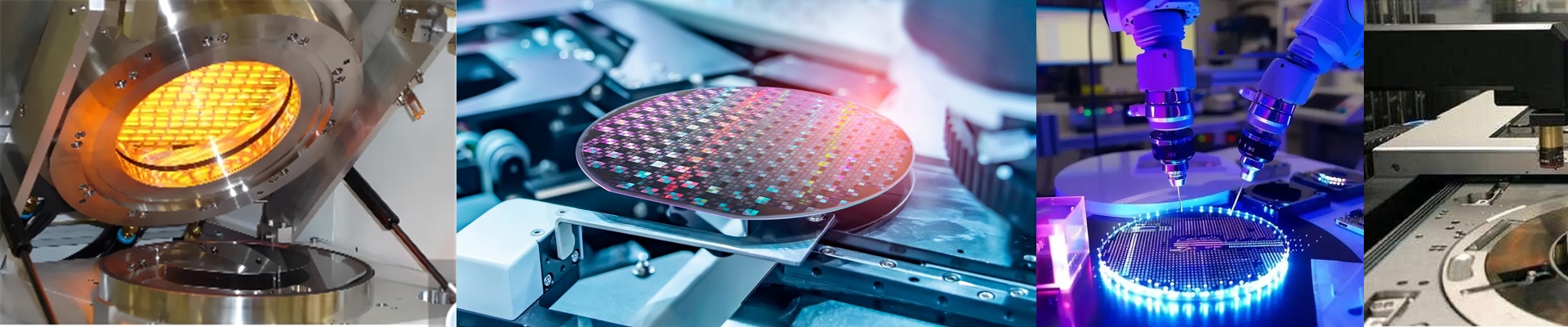
Let’s get real about what makes these ovens work. We don’t throw in a generic lamp and call it a day. We build the heating element from the ground up for wafer drying—because in semiconductor work, the heat has to be steady, dense, and predictable, hour after hour. This is a shortwave infrared emitter, purpose-built for clean, fast heat in controlled environments. When your line never sleeps, neither can the element. It has to hold its output, steady as a heartbeat.
The Nitty-Gritty
Wafer drying lives and dies on how fast you can ramp up—and how tightly you can control the temperature. So we dial in the details: voltage, wattage, and the geometry of the element all work together to hit that sweet spot. The quartz envelope handles serious heat without cracking under pressure. The tungsten filament is drawn to tight tolerances, so resistance stays consistent even when the temperature swings. That’s how you keep the power profile stable—and when your process window is measured in single-digit degrees, stable isn’t optional. It’s everything.
What It’s Made Of—and Why It Matters
The inside of a wafer drying oven is rough. That’s why we lean on top-grade quartz and high-purity tungsten wire. The quartz resists devitrification and stays optically clear, so the radiant energy transfers cleanly and efficiently. The tungsten fights off hot spots and slows grain growth. Put it together, and you get longevity—we’re talking well past 5,000 hours. And because it’s designed as a shortwave infrared emitter, it heats the target fast without turning the whole chamber into a sauna. The footprint stays small, and the response time stays quick.
What This Means for Your Work
On the line, wafer drying needs heat that arrives instantly and then settles in without wavering. Our element brings high radiant density and repeatable output, so you get that quick hit, then steady holding. The materials and build take thermal cycling in stride, so performance doesn’t drift. Consistent drying, batch after batch. And because the element lasts longer, you spend less time swapping parts and dealing with unplanned maintenance. Just keep the trade-off in mind: that high heat density means your oven needs solid cooling and the right electrical setup. Match the specs to your chamber, and this thing runs like a workhorse.
The Honest Truth
You can hit 5,000+ hours when the lamp runs within its rated voltage and the chamber stays clean. But contamination and over-voltage will cut that life short—fast. We design for the hard conditions. Still, the best results come when you run the oven the way it was meant to be run.